









Why Most Startups Fail: 7 Critical Mistakes Founders Overlook

Table of Contents
- 1. Building a Product Before Validating the Market
- 2. Trying to Scale Too Early
- 3. Poor Cash Management and Runway Blindness
- 4. Hiring for Image, Not for Function
- 5. Ignoring Customer Retention
- 6. Avoiding Hard Conversations
- 7. Founder Ego Blocking Real Growth
- Conclusion: Startups Fail Quietly, Then Suddenly
Why Most Startups Fail: 7 Critical Mistakes Founders Overlook
Most founders don’t fail because their ideas are bad.
They fail because they ignore the fundamentals — the boring, unglamorous things that actually determine whether a startup survives the first 24 months. In 2025, the margin of error is even thinner. Capital is tighter, competition is brutal, and customers have zero patience for half-baked products.
Here are the seven critical mistakes founders consistently overlook — the ones that quietly kill startups from the inside out.
1. Building a Product Before Validating the Market
This is the classic founder trap.
They fall in love with the idea, not the market.
They:
Build for months without talking to users
Assume people “will definitely want this”
Launch something nobody needs
Burn runway solving imaginary problems
The truth: Startups die when they build in silence.
Validation is not optional — it’s survival.
Real founders test:
Small prototypes
Landing pages
Simple surveys
Mini audiences
Pre-orders
If the market doesn’t care, stop building.
If they do care, double down.
2. Trying to Scale Too Early
Founders love the idea of “big.”
Big team, big office, big aspirations.
But scaling too early is one of the fastest ways to run out of money.
Red flags:
Hiring before revenue
Spending on marketing before product-market fit
Expanding features before nailing the basics
Chasing vanity growth instead of real retention
Smart founders scale only when:
Demand exceeds capacity
Users return organically
The unit economics make sense
The system can handle growth
If you scale early, you scale your problems.
3. Poor Cash Management and Runway Blindness
Many founders don’t know how much money they actually have, how long it will last, or how quickly they’re burning it.
Common sins:
Ignoring financial reports
Underestimating operating costs
Overspending on tools, talent, or branding
Assuming investors will “come later”
Cash is oxygen.
When it’s gone, your company is gone — no matter how good the idea is.
Founders must:
Track burn rate weekly
Forecast runway monthly
Plan for worst-case scenarios
Cut costs fast when needed
A startup dies the moment the founder loses control of cash.
4. Hiring for Image, Not for Function
Startups don’t fail because they lack talent.
They fail because they hire the wrong people at the wrong time.
Common hiring disasters:
Hiring senior roles too early
Hiring friends instead of qualified talent
Not firing fast enough
Hiring specialists instead of multi-skilled operators
Building a bloated team with unclear responsibilities
In early-stage startups, you need people who:
Wear multiple hats
Move fast
Learn aggressively
Don’t need babysitting
A bad hire drains money.
A wrong hire drains momentum.
Too many hires drain the entire company.
5. Ignoring Customer Retention
Many founders obsess over getting new users.
But users who never return are useless.
Acquisition is expensive.
Retention is profit.
If your product can’t keep people, your startup is a leaking bucket.
Signals you’re in trouble:
Low DAU/MAU
High churn
Low engagement
Users try once and disappear
No real community or feedback loop
Retention forces you to ask hard questions:
Does the product solve a real problem?
Is onboarding confusing?
Is the experience inconsistent?
Are users finding value fast enough?
Startups that ignore retention die quietly.
6. Avoiding Hard Conversations
Many founders avoid conflict because they want to “keep the peace.”
Ironically, this destroys the company.
They avoid:
Telling a co-founder they’re not performing
Ending partnerships that aren’t working
Cutting features nobody uses
Admitting that a strategy failed
Asking investors uncomfortable questions
Firing toxic or underperforming team members
Startups collapse because founders don’t confront issues early.
Speed of honesty determines speed of survival.
If it hurts now, it saves you later.
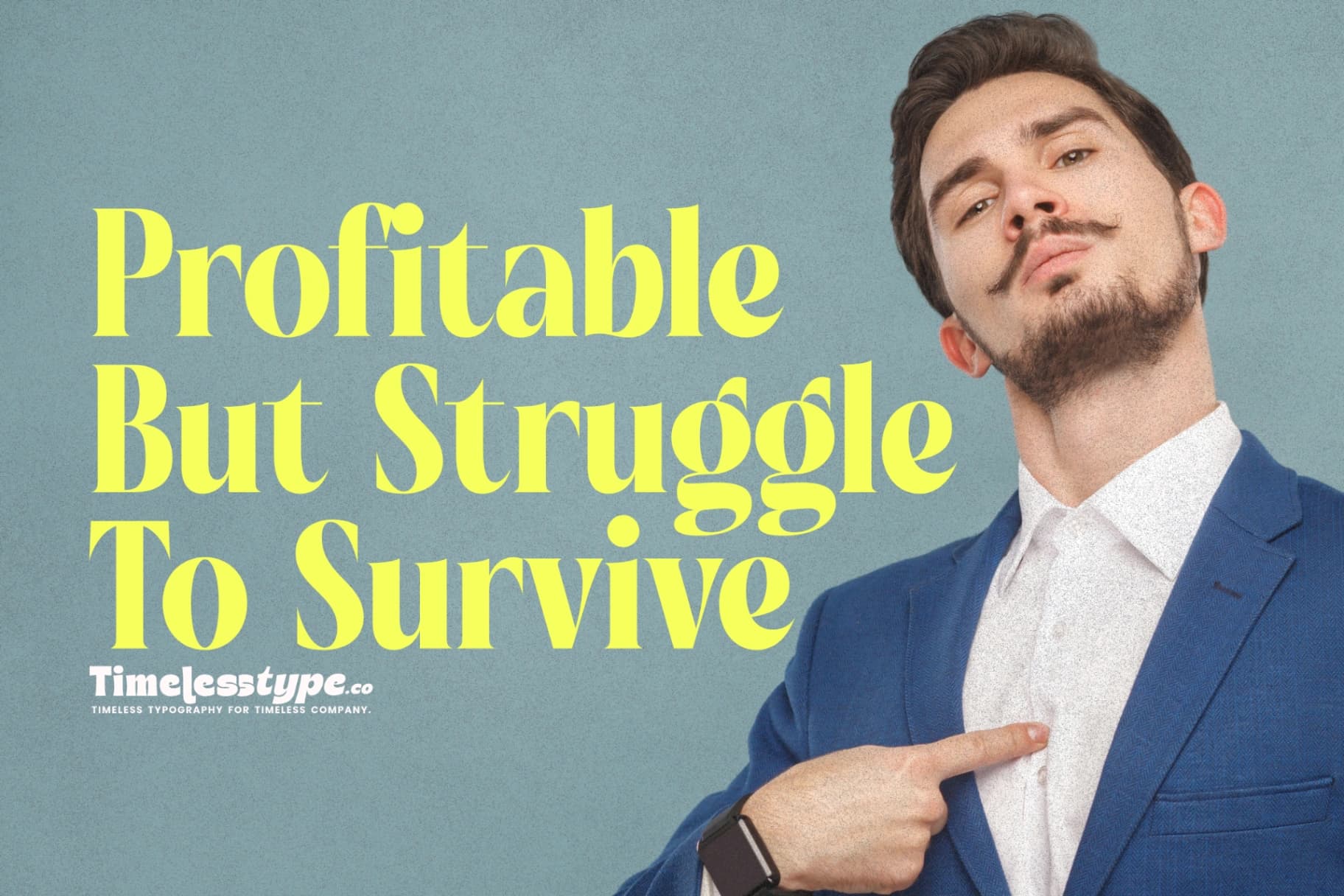
7. Founder Ego Blocking Real Growth
Ego destroys more startups than competition.
Founder ego shows up as:
Thinking they’re always right
Ignoring data
Dismissing feedback
Overcomplicating the product
Refusing to pivot
Wanting credit instead of impact
Making emotional decisions instead of strategic ones
A founder must be confident — not delusional.
The best founders:
Listen more than they speak
Ask brutally honest questions
Stay grounded
Pivot quickly
Seek truth, not validation
A flexible founder leads a scalable startup.
Conclusion: Startups Fail Quietly, Then Suddenly
Failure rarely comes from one giant mistake.
It comes from the accumulation of ignored problems — poor validation, weak cash control, bad hiring decisions, low retention, avoided conflict, and unchecked ego.
But here’s the good news:
Every problem on this list is preventable.
What kills startups is not the mistake itself — it’s the refusal to see it early.
Founders who stay humble, data-driven, financially disciplined, and user-obsessed are the ones who survive the chaos.
.webp&w=3840&q=75&dpl=dpl_3WFG66fYZ4jS6JATNdYhDAcw7pMB)
.webp&w=3840&q=75&dpl=dpl_3WFG66fYZ4jS6JATNdYhDAcw7pMB)
.webp&w=3840&q=75&dpl=dpl_3WFG66fYZ4jS6JATNdYhDAcw7pMB)
.webp&w=3840&q=75&dpl=dpl_3WFG66fYZ4jS6JATNdYhDAcw7pMB)
.webp&w=3840&q=75&dpl=dpl_3WFG66fYZ4jS6JATNdYhDAcw7pMB)
.webp&w=3840&q=75&dpl=dpl_3WFG66fYZ4jS6JATNdYhDAcw7pMB)
.webp&w=3840&q=75&dpl=dpl_3WFG66fYZ4jS6JATNdYhDAcw7pMB)