









Why Most Businesses Fail and What to Do Differently

Table of Contents
- 1. Most Businesses Don’t Solve a Real Problem
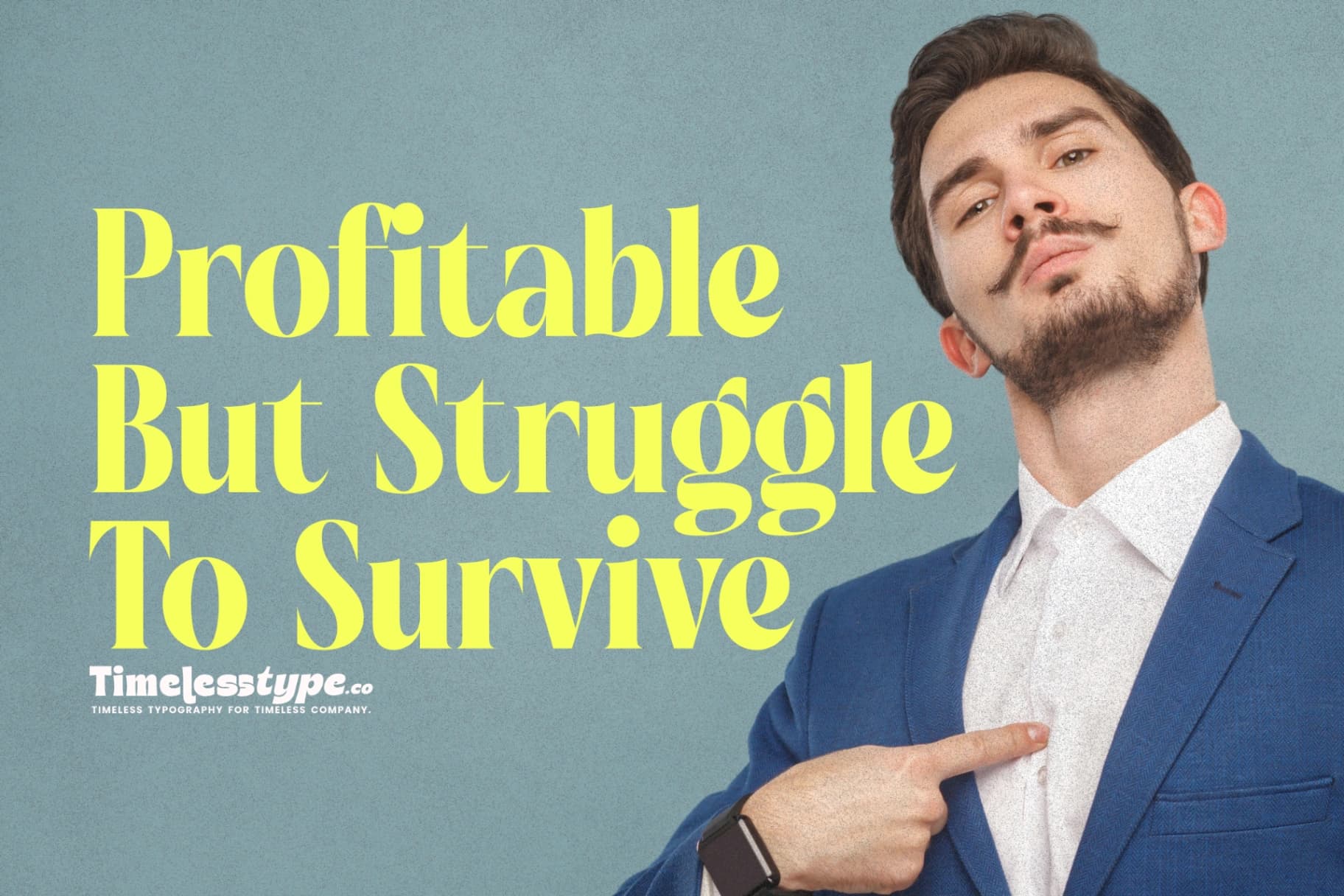
- 2. Founders Fall in Love With the Product, Not the Customer
- 3. Revenue Is Confused With Profit
- 4. Costs Grow Faster Than Discipline
- 5. There Is No Clear Positioning
- 6. Founders Avoid Sales and Marketing Reality
- 7. Decision-Making Is Emotional, Not Strategic
- 8. Founders Become the Bottleneck
- 9. Poor Cash Flow Management
- 10. Hiring the Wrong People Too Early
- 11. No Clear Metrics for Reality Checks
- 12. Scaling Before Stability
- 13. Ignoring Customer Retention
- 14. Weak Leadership Under Pressure
- 15. No Long-Term Vision—Only Short-Term Survival
- 16. Refusing to Adapt While the Market Changes
- 17. No Clear Operating System
- 18. Founders Confuse Busy With Progress
- 19. Fear of Saying No
- 20. What Successful Businesses Do Differently
- Final Thoughts
Why Most Businesses Fail and What to Do Differently
Most businesses don’t fail suddenly.
They fail slowly, quietly, and predictably.
The myth says businesses fail because of bad luck, lack of funding, or tough competition. The reality is harsher: most businesses fail because of avoidable decisions, poor fundamentals, and a refusal to face uncomfortable truths early.
Understanding why businesses fail is not about fear—it’s about building something that survives reality.
This article breaks down the real reasons most businesses collapse, and what successful businesses do differently from the start.
1. Most Businesses Don’t Solve a Real Problem
The most common failure starts at the idea stage.
Many businesses exist because:
The founder liked the idea
It felt exciting
Others were doing it
It sounded profitable
But they fail because they don’t solve a painful, urgent, ongoing problem.
Successful businesses start with:
A specific problem
A specific audience
A clear reason why someone would pay
Interest is not demand.
Excitement is not value.
2. Founders Fall in Love With the Product, Not the Customer
Product obsession kills businesses.
Failed businesses often say:
“People just don’t get it”
“The market isn’t ready”
“Customers don’t see the value”
Successful businesses do the opposite:
They listen obsessively
They adapt quickly
They let customers shape the solution
The market is never wrong.
Ignoring it is.
3. Revenue Is Confused With Profit
Many businesses grow revenue—and still die.
Why?
Margins are too thin
Costs scale faster than income
Cash flow is ignored
Profit keeps a business alive.
Revenue only keeps it busy.
Businesses that survive:
Track margins
Protect cash flow
Understand unit economics
Growth without profit is a countdown.
4. Costs Grow Faster Than Discipline
As soon as money comes in, discipline often disappears.
Common mistakes:
Over-hiring too early
Renting expensive offices
Buying tools “just in case”
Scaling lifestyle with revenue
Successful businesses stay lean longer than feels comfortable.
They earn complexity.
They don’t rush into it.
5. There Is No Clear Positioning
Most businesses fail because no one knows:
Who they are for
Why they exist
Why they are different
Vague positioning leads to:
Price competition
Weak loyalty
Confused marketing
Strong businesses choose clarity over reach.
If you try to serve everyone, no one feels spoken to.
6. Founders Avoid Sales and Marketing Reality
Many founders hide behind:
Product development
Branding
“Building in stealth”
But businesses don’t fail because products are bad.
They fail because customers never arrive.
Successful founders:
Learn sales
Talk to customers
Test messaging constantly
If you can’t sell, nothing else matters.
7. Decision-Making Is Emotional, Not Strategic
Fear, ego, and excitement drive many business decisions.
Examples:
Pivoting too often
Copying competitors blindly
Chasing trends
Refusing to admit mistakes
Strong businesses build decision frameworks:
Data-informed
Value-driven
Long-term oriented
Emotion is information—not a strategy.
8. Founders Become the Bottleneck
At early stages, founders do everything.
At later stages, this becomes fatal.
Businesses fail when:
Every decision needs the founder
Knowledge isn’t documented
Teams wait instead of acting
Successful businesses:
Build systems early
Delegate authority
Reduce dependency on individuals
If the business can’t function without you, it can’t scale.
9. Poor Cash Flow Management
Cash flow kills more businesses than bad ideas.
Common issues:
Late invoicing
Long payment terms
No buffer
Ignoring burn rate
Profit on paper means nothing if cash is gone.
Surviving businesses obsess over cash flow—not just forecasts.
10. Hiring the Wrong People Too Early
Hiring feels like progress.
Often it’s premature.
Failed businesses hire:
Too fast
Without clear roles
Without processes
Based on urgency, not fit
Successful businesses hire slowly and intentionally.
People amplify systems.
They don’t replace them.
11. No Clear Metrics for Reality Checks
Many founders run on gut feeling alone.
Without metrics, you can’t see:
Declining margins
Customer dissatisfaction
Operational inefficiencies
Successful businesses track:
Profit per unit
Retention
Cash runway
Capacity limits
What you don’t measure will surprise you—usually too late.
12. Scaling Before Stability
Scaling magnifies problems.
Most businesses fail because they scale:
Marketing before product-market fit
Hiring before processes
Expansion before profitability
Strong businesses stabilize first, then scale.
Speed without control creates chaos.
13. Ignoring Customer Retention
New customers get attention.
Existing customers get neglected.
Failed businesses chase growth while:
Losing customers quietly
Ignoring churn
Failing to improve experience
Retention builds:
Predictable revenue
Stronger margins
Organic growth
Loyal customers are a survival asset.
14. Weak Leadership Under Pressure
Business pressure reveals leadership quality.
Failures often happen when leaders:
Avoid hard conversations
Tolerate bad behavior
Make panic decisions
Strong leaders:
Stay calm under pressure
Communicate clearly
Enforce standards consistently
Leadership behavior sets the ceiling.
15. No Long-Term Vision—Only Short-Term Survival
Short-term thinking keeps businesses reactive.
Failed businesses:
Chase quick wins
Sacrifice trust
Cut corners repeatedly
Successful businesses:
Think in years, not months
Protect reputation
Make trade-offs consciously
Short-term survival should never destroy long-term viability.
16. Refusing to Adapt While the Market Changes
Markets evolve.
Businesses that don’t, die.
Failure comes from:
Clinging to outdated models
Ignoring customer shifts
Resisting new tools or behaviors
Adaptation is not betrayal.
It’s respect for reality.
17. No Clear Operating System
Chaos is not culture.
Failed businesses operate on:
Memory
Slack messages
Verbal agreements
Successful businesses document:
Processes
Standards
Decision rules
Clarity reduces friction.
Friction kills momentum.
18. Founders Confuse Busy With Progress
Activity feels productive.
It often isn’t.
Failed businesses:
Do too many things
Chase too many ideas
Measure effort instead of outcomes
Strong businesses prioritize leverage:
Fewer actions
Bigger impact
Clear outcomes
Focus beats hustle.
19. Fear of Saying No
Opportunities can be dangerous.
Many businesses fail because they say yes to:
Wrong clients
Unprofitable deals
Off-brand opportunities
Saying no protects:
Focus
Margins
Sanity
Every yes costs something.
20. What Successful Businesses Do Differently
They:
Solve real problems
Respect cash flow
Build systems early
Stay lean longer
Listen to customers
Measure reality
Scale responsibly
Adapt without panic
They don’t avoid failure because they’re smarter.
They avoid failure because they’re honest.
Final Thoughts
Most businesses don’t fail because success is impossible.
They fail because:
Fundamentals are ignored
Reality is avoided
Ego replaces discipline
Success in business is not mysterious.
It’s repetitive, boring, and demanding.
Do the basics well.
Face uncomfortable truths early.
Build for durability, not hype.
That’s how businesses survive—and grow.
.webp&w=3840&q=75&dpl=dpl_3WFG66fYZ4jS6JATNdYhDAcw7pMB)
.webp&w=3840&q=75&dpl=dpl_3WFG66fYZ4jS6JATNdYhDAcw7pMB)
.webp&w=3840&q=75&dpl=dpl_3WFG66fYZ4jS6JATNdYhDAcw7pMB)
.webp&w=3840&q=75&dpl=dpl_3WFG66fYZ4jS6JATNdYhDAcw7pMB)
.webp&w=3840&q=75&dpl=dpl_3WFG66fYZ4jS6JATNdYhDAcw7pMB)
.webp&w=3840&q=75&dpl=dpl_3WFG66fYZ4jS6JATNdYhDAcw7pMB)
.webp&w=3840&q=75&dpl=dpl_3WFG66fYZ4jS6JATNdYhDAcw7pMB)