



.jpg&w=256&q=75&dpl=dpl_8zguW5qCKKK1KrHym6wnDWwDGBys)
.jpg&w=256&q=75&dpl=dpl_8zguW5qCKKK1KrHym6wnDWwDGBys)
.webp&w=256&q=75&dpl=dpl_8zguW5qCKKK1KrHym6wnDWwDGBys)
.webp&w=256&q=75&dpl=dpl_8zguW5qCKKK1KrHym6wnDWwDGBys)





Business
Why Long-Term Thinking Beats Short-Term Wins
Insights, tutorials, and type notes from the Timeless Type studio.
.webp&w=1920&q=75&dpl=dpl_8zguW5qCKKK1KrHym6wnDWwDGBys)
Table of Contents
- The Appeal of Short-Term Wins
- Short-Term Success Can Hide Structural Weakness
- The Compounding Advantage of Long-Term Decisions
- Why Short-Term Thinking Creates Volatility
- Long-Term Thinking Encourages Better Risk Management
- Customers Reward Long-Term Behavior
- Internal Culture Suffers Under Short-Term Pressure
- Long-Term Thinking Improves Strategic Clarity
- The Illusion of Speed
- Financial Stability Comes From Long-Term Planning
- Long-Term Brands Outlast Trends
- Patience Is a Strategic Skill
- Measuring the Right Metrics
- Long-Term Thinking Creates Optionality
- Leaders Shape Time Horizons
- Long-Term Thinking Does Not Mean Ignoring Short-Term Reality
- Final Thoughts: The Quiet Power of Playing the Long Game
Why Long-Term Thinking Beats Short-Term Wins
Short-term wins feel good. They are immediate, measurable, and emotionally rewarding. A spike in revenue, a viral post, a quick deal, or a sudden burst of attention can make a business feel successful overnight.
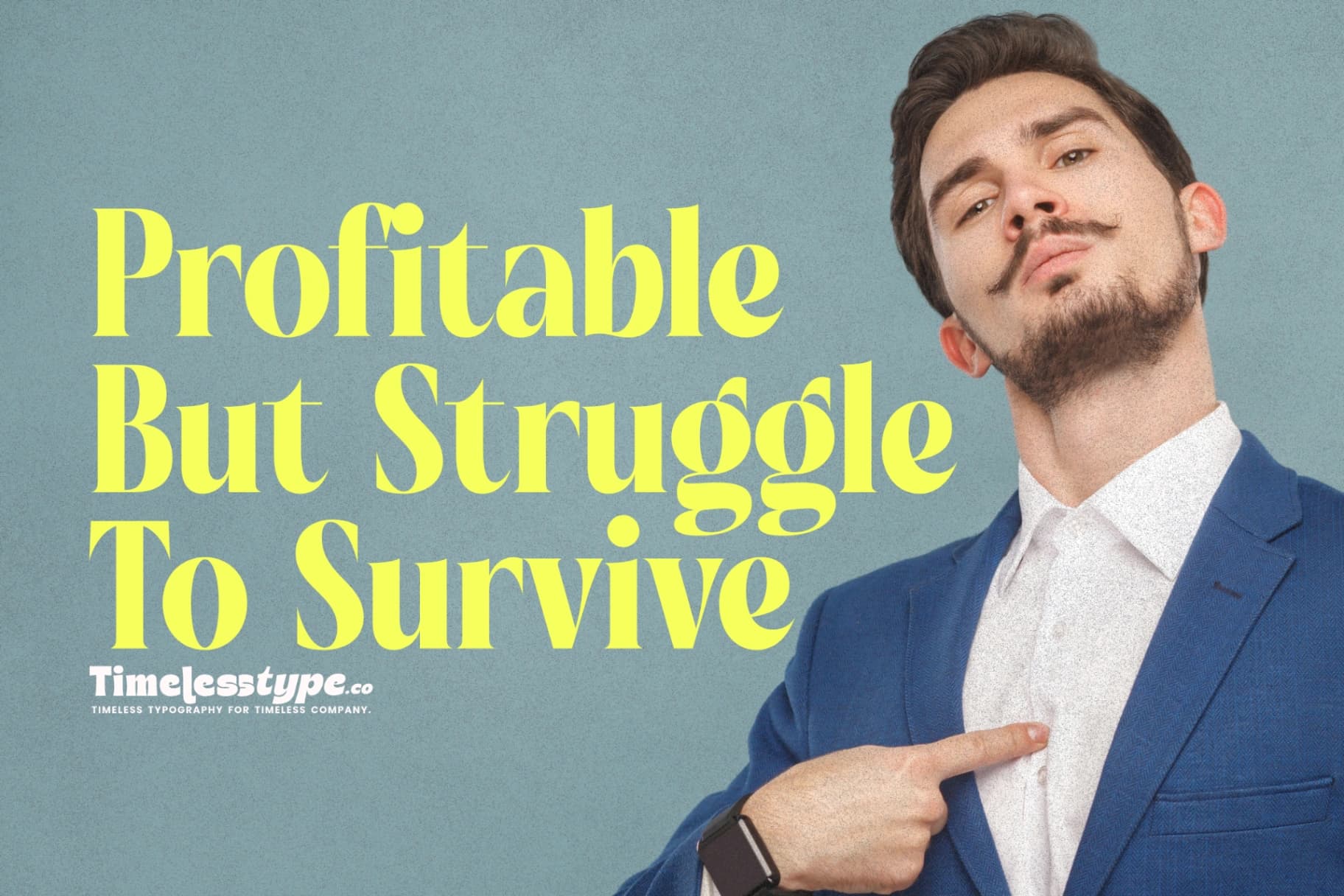
But many businesses that chase short-term wins struggle to survive long enough to enjoy them.
Long-term thinking is quieter, slower, and often less celebrated. Yet it is the foundation behind businesses that endure, compound value, and remain relevant through changing markets. This article explores why long-term thinking consistently outperforms short-term gains—and how businesses can shift their mindset without losing momentum.
The Appeal of Short-Term Wins
Short-term wins are seductive because they offer instant feedback.
They provide:
Quick validation
Fast results
A sense of progress
In uncertain environments, immediate wins feel safer than patient planning. They reduce anxiety and create the illusion of control.
But what feels productive in the moment is not always constructive over time.
Short-Term Success Can Hide Structural Weakness
Short-term wins often mask deeper problems.
A sudden increase in revenue may come from:
Aggressive discounting
Overworked teams
Unsustainable marketing spend
While numbers look good temporarily, the underlying structure weakens. Margins shrink. Burnout rises. Customer expectations become misaligned.
Long-term thinking asks a different question:
Can this result be repeated without increasing stress or risk?
The Compounding Advantage of Long-Term Decisions
Long-term decisions compound.
Small improvements made consistently over time produce disproportionate results. This includes:
Process optimization
Skill development
Brand trust
Customer relationships
Short-term wins reset every cycle. Long-term investments build on themselves.
Compounding is slow at first, then powerful.
Why Short-Term Thinking Creates Volatility
Businesses driven by short-term goals often experience:
Revenue spikes followed by crashes
Constant strategy shifts
Inconsistent customer experience
This volatility drains focus and resources.
Long-term thinking smooths performance. It prioritizes consistency over excitement and resilience over rapid gains.
Long-Term Thinking Encourages Better Risk Management
Short-term strategies often ignore risk because consequences feel distant.
Long-term thinking forces businesses to consider:
Sustainability
Cash flow stability
Reputation impact
Operational resilience
This leads to smarter decisions and fewer catastrophic failures.
Customers Reward Long-Term Behavior
Trust is built over time.
Businesses focused on long-term relationships:
Deliver consistent value
Communicate honestly
Avoid manipulative tactics
Short-term tactics may convert customers once. Long-term behavior keeps them coming back.
Customer lifetime value grows when businesses think beyond immediate transactions.
Internal Culture Suffers Under Short-Term Pressure
Short-term pressure creates:
Burnout
Fear-based decision-making
Reduced creativity
Teams operate in survival mode instead of improvement mode.
Long-term thinking creates:
Psychological safety
Clear direction
Sustainable workloads
Healthy cultures outperform stressed ones over time.
Long-Term Thinking Improves Strategic Clarity
When businesses focus on long-term outcomes, decision-making becomes simpler.
Questions shift from:
“Will this boost numbers this month?”
to:
“Does this move us closer to our long-term position?”
Clarity reduces distraction and helps businesses say no to misaligned opportunities.
The Illusion of Speed
Short-term wins often rely on speed.
But speed without direction leads to wasted effort.
Long-term thinking allows businesses to:
Move deliberately
Avoid unnecessary pivots
Build momentum with purpose
Progress is measured in trajectory, not velocity.
Financial Stability Comes From Long-Term Planning
Short-term thinking prioritizes immediate cash at the expense of stability.
This leads to:
Thin margins
Cash flow stress
Overexposure to risk
Long-term thinking builds:
Financial buffers
Predictable revenue
Sustainable growth
Stability allows flexibility during uncertain periods.
Long-Term Brands Outlast Trends
Trends fade. Brands endure.
Businesses chasing short-term trends constantly rebrand, reposition, and restart. Those with long-term vision build identity, trust, and recognition.
Consistency compounds brand equity.
Patience Is a Strategic Skill
Patience is not passivity. It is restraint.
Long-term thinkers know:
When to wait
When to invest
When to scale
They resist pressure to act simply to appear active.
Measuring the Right Metrics
Short-term thinking focuses on:
Monthly revenue
Clicks
Engagement spikes
Long-term thinking tracks:
Retention
Profitability
Efficiency
Customer lifetime value
Metrics guide behavior. Long-term metrics create long-term results.
Long-Term Thinking Creates Optionality
Businesses built for the long term gain options.
They can:
Adapt to change
Withstand downturns
Explore new opportunities from a position of strength
Short-term-focused businesses operate without margin for error.
Leaders Shape Time Horizons
Leadership defines whether a business optimizes for today or tomorrow.
Leaders who reward:
Sustainable effort
Learning
Improvement
build resilient organizations.
Those who reward only immediate results create fragile systems.
Long-Term Thinking Does Not Mean Ignoring Short-Term Reality
Long-term thinking is not denial of the present.
It means:
Managing short-term needs responsibly
Without sacrificing long-term health
The balance is intentional trade-offs, not impulsive reactions.
Final Thoughts: The Quiet Power of Playing the Long Game
Short-term wins are loud. Long-term success is quiet.
The businesses that last are not those that chase every opportunity, but those that build patiently, decide deliberately, and invest consistently.
Long-term thinking does not promise excitement. It promises endurance.
In business, endurance wins.
Related
Tags
Browse similar work by purpose and style.
.webp&w=1920&q=75&dpl=dpl_8zguW5qCKKK1KrHym6wnDWwDGBys)
.webp&w=1920&q=75&dpl=dpl_8zguW5qCKKK1KrHym6wnDWwDGBys)
.webp&w=1920&q=75&dpl=dpl_8zguW5qCKKK1KrHym6wnDWwDGBys)
.webp&w=1920&q=75&dpl=dpl_8zguW5qCKKK1KrHym6wnDWwDGBys)
.webp&w=1920&q=75&dpl=dpl_8zguW5qCKKK1KrHym6wnDWwDGBys)
.webp&w=1920&q=75&dpl=dpl_8zguW5qCKKK1KrHym6wnDWwDGBys)
.webp&w=1920&q=75&dpl=dpl_8zguW5qCKKK1KrHym6wnDWwDGBys)