









Why Customer Experience Is the Key to Business Growth
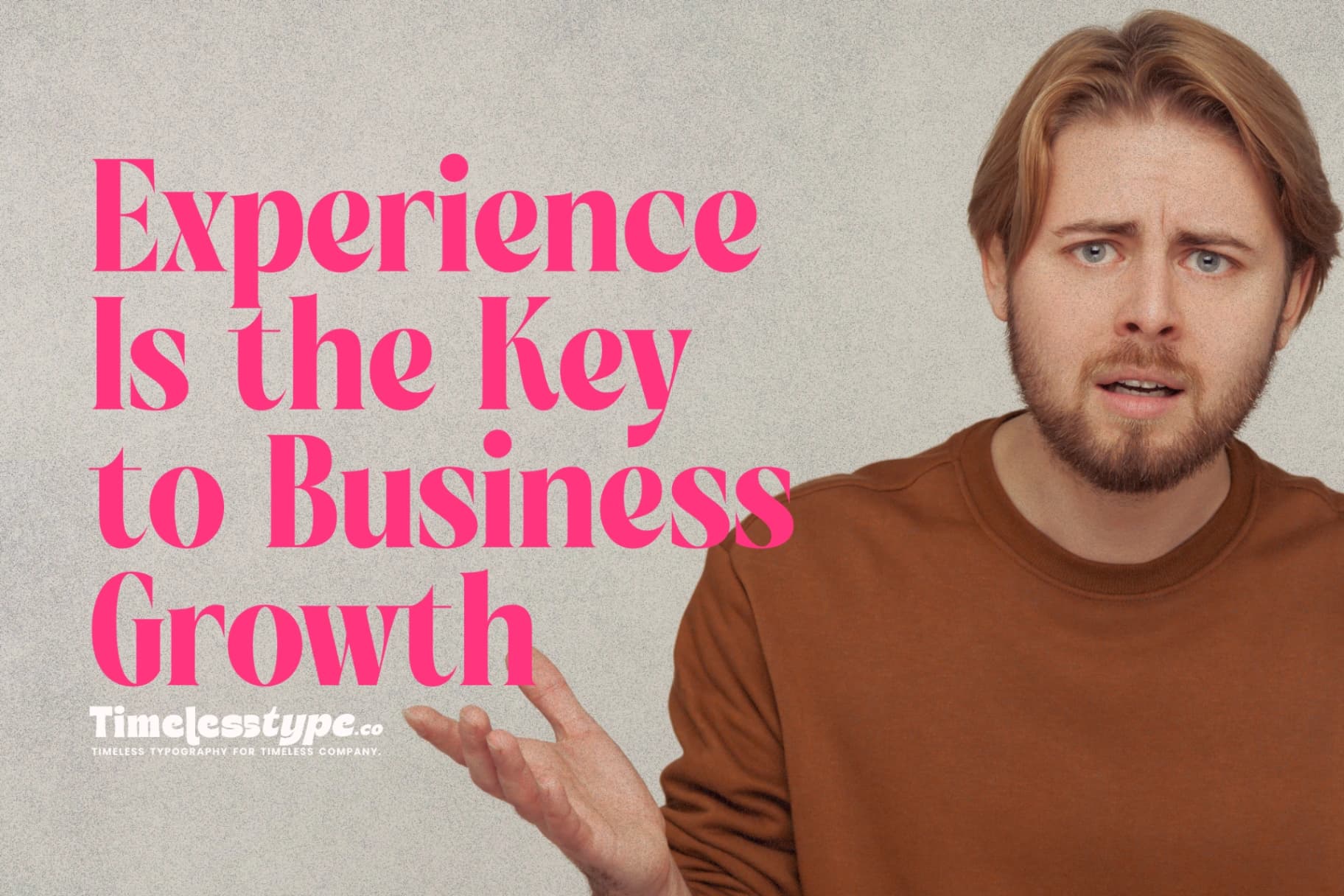
Table of Contents
- 1. What Customer Experience Really Means
- 2. Why Product and Price Are No Longer Enough
- 3. Customer Experience Drives Customer Loyalty
- 4. Retention Is Cheaper Than Acquisition
- 5. Customer Experience Increases Revenue Per Customer
- 6. Word of Mouth and Advocacy Fuel Organic Growth
- 7. Customer Experience Reduces Operational Friction
- 8. Employee Experience and Customer Experience Are Connected
- 9. Consistency Builds Trust at Scale
- 10. Measuring Customer Experience the Right Way
- 11. Designing Customer Experience Intentionally
- 12. Technology Should Support Experience, Not Replace It
- 13. Customer Experience as a Long-Term Growth Strategy
- Conclusion
Why Customer Experience Is the Key to Business Growth
In competitive markets, products can be copied, prices can be matched, and marketing messages can be replicated. What cannot be easily duplicated is customer experience. This is why customer experience (CX) has become one of the most powerful drivers of sustainable business growth.
Customer experience is no longer a “nice to have.” It is a strategic asset. Businesses that prioritize customer experience consistently outperform those that focus only on product features or short-term sales tactics. Growth today is not driven by how loud your brand is, but by how well customers feel understood, valued, and supported at every interaction.
This article explains why customer experience is the key to business growth, how it directly impacts revenue and loyalty, and what companies must do to build experiences that scale.
1. What Customer Experience Really Means
Customer experience is the sum of every interaction a customer has with your brand — before, during, and after a purchase.
It includes:
First impressions and brand perception
Website or app usability
Sales conversations
Onboarding and delivery
Customer support
Follow-up and retention efforts
Customer experience is not one department’s responsibility. It is the result of how systems, people, processes, and culture work together.
Importantly, customer experience is defined by the customer, not the company. What you intend does not matter as much as how the customer feels.
2. Why Product and Price Are No Longer Enough
For decades, businesses competed primarily on product quality and price. Today, those advantages are fragile.
Most industries now face:
Rapid innovation cycles
Low switching costs
High customer expectations
Global competition
Customers can find alternatives in minutes. When products feel similar, experience becomes the differentiator.
A slightly better experience can outweigh:
Lower prices
Additional features
Longer brand history
In many cases, customers will happily pay more for ease, trust, and consistency.
3. Customer Experience Drives Customer Loyalty
Loyalty is not built through discounts. It is built through trust and emotional connection.
Positive customer experiences lead to:
Repeat purchases
Long-term relationships
Higher lifetime value
Reduced churn
Customers stay when they feel:
Understood
Respected
Supported
Confident in the brand
Negative experiences, even small ones, compound quickly. A single poor interaction can erase years of goodwill.
Businesses that focus on customer experience create loyalty that competitors cannot easily steal.
4. Retention Is Cheaper Than Acquisition
One of the strongest arguments for customer experience is economic.
Acquiring new customers is expensive. Marketing costs, sales efforts, and onboarding resources add up quickly. Retaining existing customers is significantly cheaper and more predictable.
Strong customer experience:
Reduces churn
Increases repeat purchases
Lowers support costs over time
Improves operational efficiency
Growth driven by retention is healthier than growth driven solely by acquisition. Customer experience is the engine that makes retention possible.
5. Customer Experience Increases Revenue Per Customer
Happy customers spend more.
When experience is strong:
Customers upgrade more often
Cross-selling becomes easier
Price sensitivity decreases
Trust reduces purchase friction
Customers who trust a brand don’t question every decision. They buy faster and with more confidence.
Customer experience also reduces friction in the buying process, which directly improves conversion rates.
6. Word of Mouth and Advocacy Fuel Organic Growth
Marketing messages are increasingly ignored. People trust people, not ads.
Exceptional customer experience turns customers into advocates. Satisfied customers:
Leave positive reviews
Recommend your brand
Share experiences publicly
Defend your brand when issues arise
Word-of-mouth growth is powerful because it is:
Credible
Cost-effective
Scalable
Self-reinforcing
Businesses with strong customer experience benefit from organic growth that compounds over time.
7. Customer Experience Reduces Operational Friction
Poor customer experience often reveals internal problems:
Confusing processes
Poor communication
Inconsistent policies
Misaligned teams
Improving customer experience forces companies to improve internally.
Clearer processes lead to:
Fewer errors
Faster resolution times
Lower support volume
More empowered employees
Customer experience improvements often result in better operations, not just happier customers.
8. Employee Experience and Customer Experience Are Connected
Employees deliver the experience.
Disengaged, overwhelmed, or unsupported employees cannot create great customer experiences. Businesses that invest in customer experience must also invest in employee experience.
When employees have:
Clear roles
Proper tools
Supportive leadership
Decision-making authority
They serve customers more effectively.
Customer experience is not about scripts — it’s about empowered people solving real problems.
9. Consistency Builds Trust at Scale
Growth often breaks experience.
As companies scale, inconsistency becomes a major risk:
Different service levels
Conflicting messages
Uneven support quality
Customer experience systems ensure consistency:
Clear standards
Documented processes
Shared values
Training and feedback loops
Consistency builds trust, and trust is essential for scaling without damaging reputation.
10. Measuring Customer Experience the Right Way
Customer experience must be measured to be improved.
Common CX metrics include:
Customer Satisfaction (CSAT)
Net Promoter Score (NPS)
Customer Effort Score (CES)
Retention and churn rates
Lifetime value
However, metrics should guide action, not become vanity numbers. Feedback must lead to real improvements.
Listening to customers without acting destroys trust.
11. Designing Customer Experience Intentionally
Great customer experience is designed, not improvised.
Effective CX design involves:
Mapping the customer journey
Identifying friction points
Simplifying processes
Aligning teams around customer outcomes
Every touchpoint should answer one question:
“Is this making life easier for the customer?”
If not, it needs improvement.
12. Technology Should Support Experience, Not Replace It
Automation and AI can improve efficiency, but they should enhance — not replace — human connection.
Technology should:
Reduce waiting time
Improve personalization
Provide clarity and transparency
Enable faster resolution
Over-automation without empathy damages experience. The best systems combine technology with human judgment.
13. Customer Experience as a Long-Term Growth Strategy
Customer experience is not a campaign. It is a mindset.
Businesses that treat CX as a long-term strategy:
Grow more sustainably
Recover faster from mistakes
Build stronger brands
Attract better customers
Short-term sales tactics create spikes. Customer experience creates momentum.
Conclusion
Customer experience is no longer optional. It is the foundation of modern business growth.
When customer experience is prioritized:
Loyalty increases
Revenue grows
Costs decrease
Brands strengthen
Growth becomes sustainable
Products attract customers once.
Experience keeps them — and turns them into advocates.
In a world where customers have endless choices, the businesses that win are not the loudest or cheapest — they are the ones that make customers feel valued at every step.
Customer experience is not just a support function.
It is the growth strategy.
.webp&w=3840&q=75&dpl=dpl_3WFG66fYZ4jS6JATNdYhDAcw7pMB)
.webp&w=3840&q=75&dpl=dpl_3WFG66fYZ4jS6JATNdYhDAcw7pMB)
.webp&w=3840&q=75&dpl=dpl_3WFG66fYZ4jS6JATNdYhDAcw7pMB)
.webp&w=3840&q=75&dpl=dpl_3WFG66fYZ4jS6JATNdYhDAcw7pMB)
.webp&w=3840&q=75&dpl=dpl_3WFG66fYZ4jS6JATNdYhDAcw7pMB)
.webp&w=3840&q=75&dpl=dpl_3WFG66fYZ4jS6JATNdYhDAcw7pMB)
.webp&w=3840&q=75&dpl=dpl_3WFG66fYZ4jS6JATNdYhDAcw7pMB)