









The Evolution of Robotics: From Assistants to Autonomous Systems
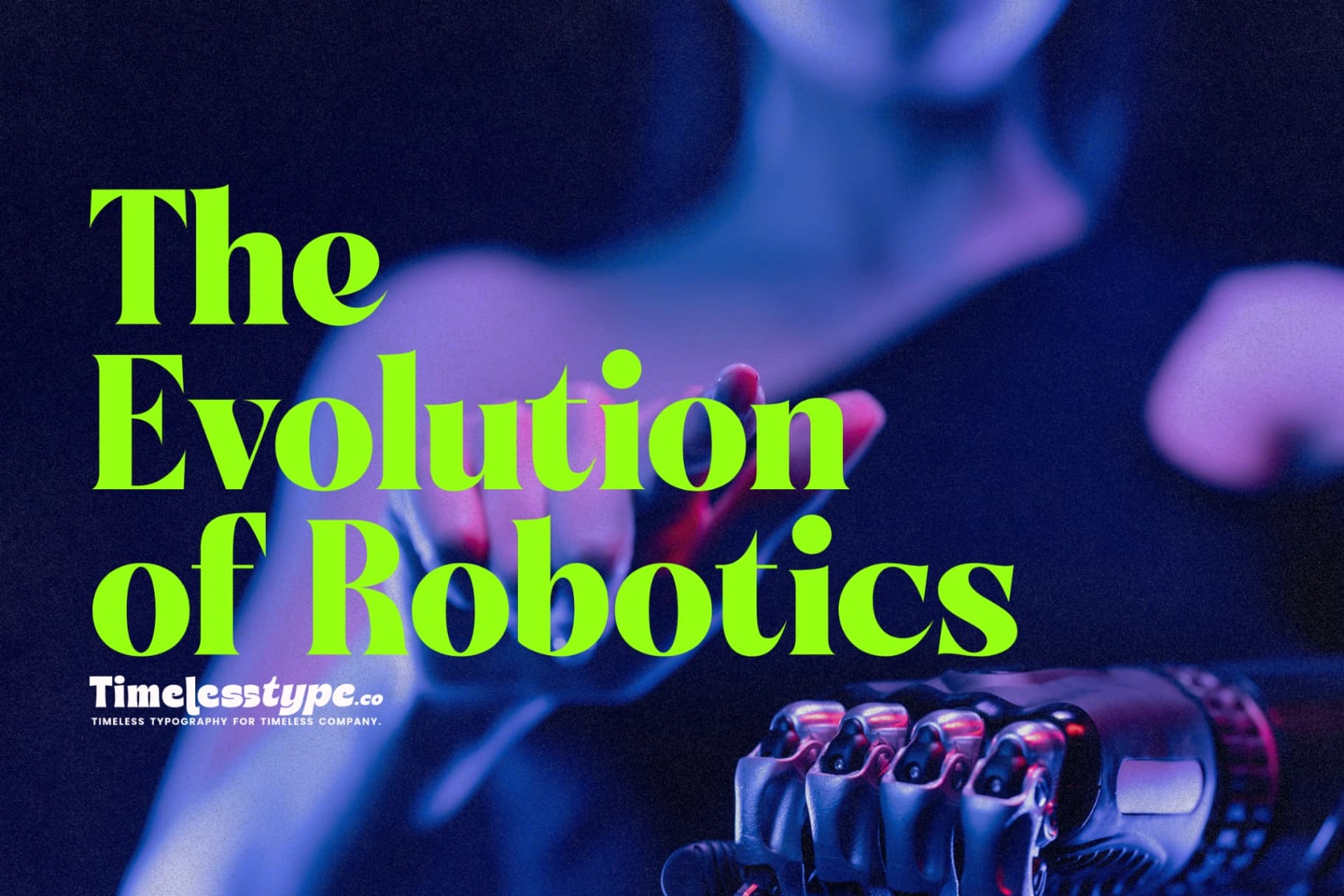
Table of Contents
- 1. The Early Days — Robots as Mechanical Assistants
- 2. Adding Intelligence — The Rise of Sensors and Microprocessors
- 3. Robotics Enters Everyday Life
- 4. AI + Robotics = True Autonomy
- 5. Robotics in Medicine — Precision and Prediction
- 6. Collaborative Robots (Cobots) — Working Side-by-Side With Humans
- 7. Fully Autonomous Systems — The New Frontier
- 8. Ethical and Social Challenges
- 9. The Future — Robots as Partners, Not Replacements
- Final Thoughts
The Evolution of Robotics: From Assistants to Autonomous Systems
Robotics is no longer a futuristic fantasy. It has become one of the most transformative technologies shaping industries, economies, and everyday life. What began as simple machines built to assist with repetitive tasks has now evolved into intelligent, autonomous systems capable of perception, decision-making, and adaptive behavior.
The journey of robotics reflects the journey of human ambition — from efficiency, to augmentation, to full autonomy. And today, robots aren’t just tools; they are partners, problem-solvers, and in many cases, extensions of human capability.
Here’s how robotics evolved from basic assistants into the autonomous powerhouses that are shaping our future.
1. The Early Days — Robots as Mechanical Assistants
The earliest robots were engineered for one job: handling repetitive, dangerous, or heavy tasks.
Industrial robots in the 1960s–1980s could:
weld car frames
assemble basic components
lift heavy objects
repeat programmed motions flawlessly
Their strengths were precision and endurance, not intelligence.
They didn’t adapt — they followed commands.
These robots revolutionized manufacturing and laid the foundation for today’s automation age.
2. Adding Intelligence — The Rise of Sensors and Microprocessors
As computing advanced, robots gained the ability to “sense” and “interpret” their environment.
Major breakthroughs included:
proximity sensors
computer vision
microprocessors
basic pattern recognition
Robots went from blind machines to systems that could detect obstacles, measure distances, and adjust their behavior.
This era marked the shift from mechanical execution to intelligent assistance.
3. Robotics Enters Everyday Life
By the early 2000s, robotics became accessible to everyday consumers.
We started seeing:
robotic vacuum cleaners
lawn-mowing robots
educational robots for children
robotic pets
medical surgery robots
These machines introduced robotics into homes, hospitals, and classrooms, making automation a normalized part of life.
Robots were no longer industrial tools — they became personal assistants.
4. AI + Robotics = True Autonomy
The real revolution began when artificial intelligence merged with robotics.
AI empowered robots to:
learn from data
recognize objects
map environments
make independent decisions
understand speech
predict user needs
This combination turned robots into autonomous agents capable of navigating complex environments without constant human commands.
Examples:
self-driving cars
warehouse robots like Amazon’s Kiva
delivery robots
drone fleets
robotic arms that learn new tasks through imitation
Robots were no longer just reacting — they were thinking.
5. Robotics in Medicine — Precision and Prediction
Healthcare is one of the biggest beneficiaries of advanced robotics.
Modern medical robots can:
assist in surgery with millimeter precision
deliver medication in hospitals
support rehabilitation therapy
help elderly patients with mobility
analyze medical images using AI
perform tasks in infectious environments
Robotics is speeding up care, improving accuracy, and expanding access — especially in underserved regions.
6. Collaborative Robots (Cobots) — Working Side-by-Side With Humans
One of the most exciting advancements is the rise of cobots: robots designed to collaborate with humans safely.
Cobots can:
learn tasks quickly
work in shared spaces
assist with heavy lifting
reduce workplace injuries
enhance human productivity
Instead of replacing humans, cobots amplify what humans can do — a perfect blend of strength and intelligence.
7. Fully Autonomous Systems — The New Frontier
The future of robotics lies in full autonomy: systems that operate independently with minimal supervision.
Examples:
self-driving cars navigating city streets
autonomous drones mapping disaster zones
robots conducting search & rescue missions
AI-controlled factories
farming robots managing entire fields
delivery robots completing cross-city navigation
These systems rely on:
machine learning
real-time data
computer vision
advanced sensors
robust decision-making algorithms
Autonomy is redefining what robots are capable of — and the industries they can transform.
8. Ethical and Social Challenges
As robotics becomes more integrated into society, new concerns arise:
job displacement
safety in autonomous systems
data privacy
accountability in accidents
algorithmic bias
human dependency
The challenge is building systems that empower society without creating new risks or inequalities.
Technology must evolve with ethics at its core.
9. The Future — Robots as Partners, Not Replacements
Robotics is moving toward a world where humans and machines collaborate seamlessly.
Expect to see:
home robots that manage daily tasks
AI-driven personal assistants with physical form
autonomous transport systems
robots in classrooms and therapy centers
nano-robots for medical treatment
humanoid robots assisting in service industries
The future isn’t a battle between humans and robots — it’s a partnership where each enhances the capabilities of the other.
Final Thoughts
The evolution of robotics is a story of progress — from rigid machines to adaptive, autonomous systems that think, learn, and collaborate.
Robots are transforming:
how we work
how we travel
how we heal
how we manufacture
how we live
And the next chapter will blur the lines even more between human capability and machine intelligence.
The future of robotics isn’t coming.
It’s already here.
.webp&w=3840&q=75&dpl=dpl_3WFG66fYZ4jS6JATNdYhDAcw7pMB)
.webp&w=3840&q=75&dpl=dpl_3WFG66fYZ4jS6JATNdYhDAcw7pMB)
.webp&w=3840&q=75&dpl=dpl_3WFG66fYZ4jS6JATNdYhDAcw7pMB)
.webp&w=3840&q=75&dpl=dpl_3WFG66fYZ4jS6JATNdYhDAcw7pMB)
.webp&w=3840&q=75&dpl=dpl_3WFG66fYZ4jS6JATNdYhDAcw7pMB)
.webp&w=3840&q=75&dpl=dpl_3WFG66fYZ4jS6JATNdYhDAcw7pMB)
.webp&w=3840&q=75&dpl=dpl_3WFG66fYZ4jS6JATNdYhDAcw7pMB)
.webp&w=3840&q=75&dpl=dpl_3WFG66fYZ4jS6JATNdYhDAcw7pMB)