









Inspiration That Grows from Discipline, Not Motivation
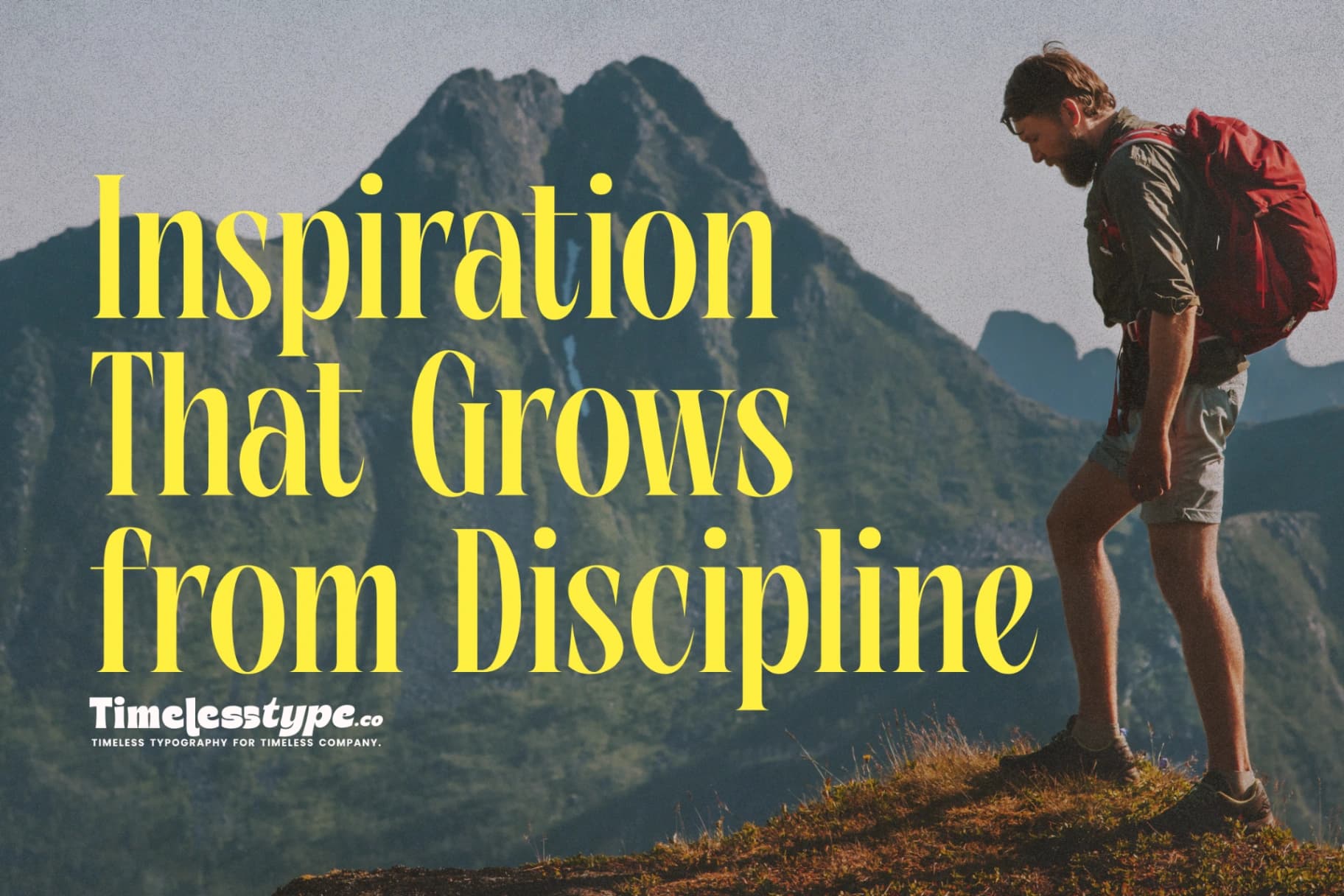
Table of Contents
- 1. Why Motivation Fails So Often
- 2. Discipline Works When Motivation Is Gone
- 3. The Misunderstood Nature of Discipline
- 4. Why Discipline Creates Deeper Inspiration
- 5. Discipline Builds Identity, Not Just Output
- 6. The Quiet Confidence Discipline Produces
- 7. Discipline Reduces Decision Fatigue
- 8. Discipline Is a Form of Self-Trust
- 9. Why Discipline Feels Boring — and Why That’s Good
- 10. Discipline Outlasts Talent and Passion
- 11. How Discipline Handles Low Days
- 12. Discipline as Emotional Regulation
- 13. The Long-Term Psychological Benefits of Discipline
- 14. Discipline Creates Freedom, Not Restriction
- 15. Why Motivation Is Best Used Sparingly
- 16. The Discipline Gap Most People Ignore
- 17. How Discipline Changes Your Relationship with Time
- 18. Discipline Doesn’t Require Confidence
- 19. The Kind of Inspiration Discipline Creates
- 20. Choosing Discipline Is Choosing Yourself Long-Term
- Conclusion
Inspiration That Grows from Discipline, Not Motivation
Motivation gets a lot of credit.
Discipline does the real work.
Motivation is loud, emotional, and temporary. It arrives in waves — sparked by videos, quotes, success stories, or sudden clarity. Discipline is quiet. It doesn’t announce itself. It shows up whether you feel inspired or not.
Most lasting progress does not come from feeling motivated.
It comes from doing what needs to be done without negotiating with your emotions.
This article explores why discipline — not motivation — is the true source of sustainable inspiration, and how discipline quietly shapes confidence, identity, and long-term fulfillment.
1. Why Motivation Fails So Often
Motivation depends on feeling.
And feelings are unreliable.
Motivation fades when:
Progress is slow
Results are invisible
Energy is low
Life becomes difficult
Doubt appears
Relying on motivation means your effort rises and falls with your mood. That creates inconsistency, frustration, and self-doubt.
When motivation disappears, most people stop — not because they can’t continue, but because they never built a system that works without enthusiasm.
2. Discipline Works When Motivation Is Gone
Discipline does not require excitement.
It functions on:
Commitment
Routine
Clear standards
Repetition
Non-negotiable actions
Discipline is the decision made before emotions get involved.
When discipline is in place:
You don’t wait to feel ready
You don’t debate whether to start
You don’t depend on inspiration
You act because it’s time to act
This removes friction and mental exhaustion.
3. The Misunderstood Nature of Discipline
Discipline is often misunderstood as punishment or rigidity.
In reality, discipline is:
Self-respect in action
Structure that protects energy
Boundaries that reduce stress
Consistency that builds trust with yourself
Discipline isn’t harsh.
It’s stabilizing.
4. Why Discipline Creates Deeper Inspiration
Motivation tries to create action.
Discipline creates results.
Results create belief.
Belief creates inspiration.
This is the real sequence.
When you see yourself:
Showing up consistently
Finishing what you start
Keeping promises to yourself
Making progress regardless of mood
You become inspired by your own reliability.
That inspiration is earned — not borrowed.
5. Discipline Builds Identity, Not Just Output
Motivation focuses on outcomes.
Discipline shapes identity.
Every disciplined action reinforces:
“I am someone who follows through.”
“I can rely on myself.”
“I don’t quit when it gets boring.”
“I keep going even when it’s uncomfortable.”
Identity-based confidence is stronger than emotional hype.
6. The Quiet Confidence Discipline Produces
Discipline doesn’t make you loud.
It makes you calm.
People who rely on discipline:
Don’t need constant reassurance
Aren’t shaken by low-energy days
Trust their systems
Move steadily without drama
Their confidence doesn’t come from optimism.
It comes from evidence.
7. Discipline Reduces Decision Fatigue
Motivation requires constant decision-making:
“Do I feel like doing this today?”
“Is this the right moment?”
“Should I wait until tomorrow?”
Discipline removes those questions.
When something is scheduled, defined, or non-negotiable, you don’t waste energy deciding. You simply act.
This conserves mental energy for what actually matters.
8. Discipline Is a Form of Self-Trust
Every time you keep a commitment to yourself, you build trust.
Every time you break one, trust erodes.
Discipline is how you rebuild and protect that trust.
Self-trust leads to:
Reduced anxiety
Faster decisions
Clearer boundaries
Stronger self-worth
You stop needing external validation when you trust yourself.
9. Why Discipline Feels Boring — and Why That’s Good
Discipline often feels boring.
There’s no rush.
No emotional spike.
No immediate reward.
That boredom is a feature, not a flaw.
Boring systems are:
Sustainable
Predictable
Low-stress
Repeatable
Excitement fades.
Boring consistency compounds.
10. Discipline Outlasts Talent and Passion
Talent helps.
Passion excites.
But neither survives inconsistency.
Discipline allows:
Average skill to outperform raw talent
Quiet workers to surpass loud starters
Long-term growth without burnout
Most successful people are not constantly motivated.
They are consistently disciplined.
11. How Discipline Handles Low Days
On low-energy days, motivation collapses.
Discipline adapts.
Discipline allows you to:
Do the minimum instead of nothing
Show up imperfectly
Maintain momentum without pressure
It prioritizes continuity over intensity.
Something done consistently beats perfection attempted occasionally.
12. Discipline as Emotional Regulation
Discipline stabilizes emotions.
Instead of asking:
“How do I feel today?”
You ask:
“What needs to be done today?”
This shift reduces emotional volatility and self-negotiation.
Discipline doesn’t ignore feelings.
It simply refuses to let them drive everything.
13. The Long-Term Psychological Benefits of Discipline
Over time, discipline creates:
Reduced anxiety
Higher self-respect
Emotional resilience
Less reliance on motivation
Stronger sense of control
You stop feeling at the mercy of your moods.
That alone is liberating.
14. Discipline Creates Freedom, Not Restriction
Many people resist discipline because they associate it with limitation.
In reality, discipline creates freedom:
Freedom from chaos
Freedom from procrastination
Freedom from guilt
Freedom from emotional dependence
Structure supports freedom.
Lack of structure creates stress.
15. Why Motivation Is Best Used Sparingly
Motivation is useful — but not as a foundation.
Motivation works best as:
A spark, not fuel
A reminder, not a driver
A supplement, not a system
Use motivation to start.
Use discipline to continue.
16. The Discipline Gap Most People Ignore
Many people want results without routines.
Growth without repetition.
Change without consistency.
This gap creates frustration.
Discipline closes the gap between intention and outcome.
17. How Discipline Changes Your Relationship with Time
Discipline respects time.
It:
Protects small daily efforts
Prevents last-minute panic
Turns days into systems
Turns weeks into progress
You stop rushing.
You start building.
18. Discipline Doesn’t Require Confidence
You don’t need confidence to be disciplined.
Discipline often comes before confidence.
Action builds evidence.
Evidence builds confidence.
Waiting to feel confident delays everything.
19. The Kind of Inspiration Discipline Creates
The inspiration born from discipline is quiet and steady.
It sounds like:
“I know I’ll show up.”
“I trust my process.”
“I don’t need to feel ready.”
“I can handle consistency.”
This inspiration doesn’t fade with mood.
It grows with repetition.
20. Choosing Discipline Is Choosing Yourself Long-Term
Discipline is not about forcing productivity.
It’s about choosing your future self over your current comfort.
Every disciplined action is a vote for:
Stability
Growth
Self-respect
Long-term fulfillment
You don’t need more motivation.
You need fewer negotiations with yourself.
Conclusion
Motivation feels good — but it’s unreliable.
Discipline feels ordinary — but it changes everything.
Inspiration that grows from discipline doesn’t hype you up. It grounds you. It builds confidence through action, not emotion. It teaches you that you don’t need to feel inspired to move forward — you need a system that works when you don’t.
When discipline becomes your foundation, inspiration stops being something you chase.
It becomes something you earn — quietly, consistently, and permanently.
.webp&w=3840&q=75&dpl=dpl_3WFG66fYZ4jS6JATNdYhDAcw7pMB)
.webp&w=3840&q=75&dpl=dpl_3WFG66fYZ4jS6JATNdYhDAcw7pMB)
.webp&w=3840&q=75&dpl=dpl_3WFG66fYZ4jS6JATNdYhDAcw7pMB)
.webp&w=3840&q=75&dpl=dpl_3WFG66fYZ4jS6JATNdYhDAcw7pMB)
.webp&w=3840&q=75&dpl=dpl_3WFG66fYZ4jS6JATNdYhDAcw7pMB)
.webp&w=3840&q=75&dpl=dpl_3WFG66fYZ4jS6JATNdYhDAcw7pMB)
.webp&w=3840&q=75&dpl=dpl_3WFG66fYZ4jS6JATNdYhDAcw7pMB)