









Inspiration for People Who Are Tired of “Hustle Culture”
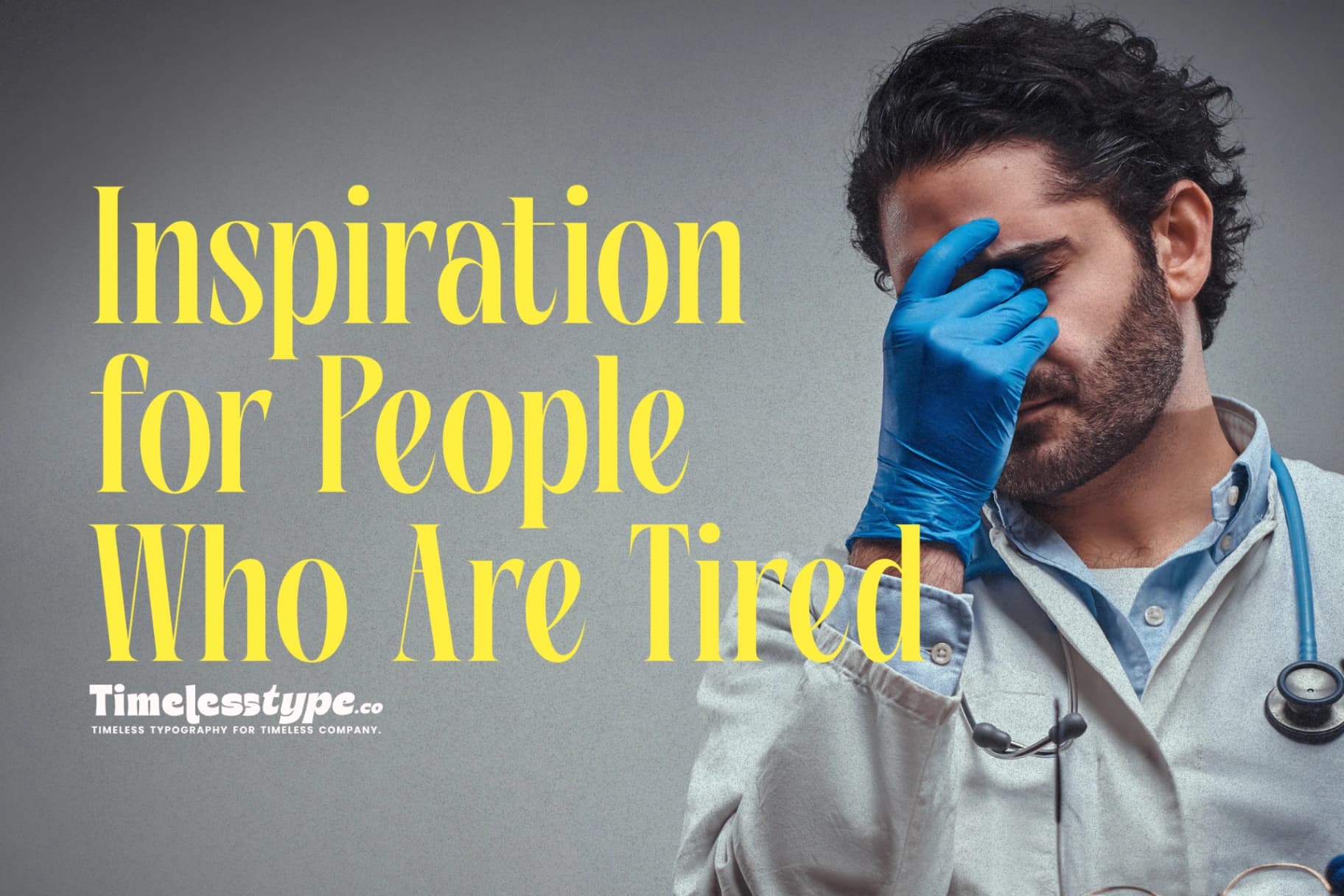
Table of Contents
- Why Hustle Culture Feels So Convincing
- Exhaustion Is Not a Moral Failure
- Hustle Culture Turns Life Into a Deadline
- Why Hustle Culture Drains Meaning From Work
- You Are Allowed to Want a Sustainable Life
- Slow Progress Is Still Progress
- Rest Is Not the Absence of Ambition
- Hustle Culture Makes You Compete With Yourself
- You Don’t Need to Monetize Everything
- Meaning Is Not Measured in Output
- Choosing Calm Is Not Choosing Less
- You Are Not Behind—You Are Alive
- A Human Pace Is Not a Flaw
- You Can Want More Without Destroying Yourself
- Inspiration That Doesn’t Shout
- Redefining Success on Your Own Terms
- Letting Go of Hustle Is an Act of Courage
- You Are Allowed to Build a Quiet Life
- Final Reflection
Inspiration for People Who Are Tired of “Hustle Culture”
Hustle culture promises success through constant effort. Work harder. Wake up earlier. Grind longer. Sacrifice now, live later. For a while, this message feels empowering. It gives structure, direction, and a sense of control.
But over time, something breaks.
Energy fades. Motivation turns into pressure. Rest feels like guilt. Life shrinks into productivity metrics. What once felt ambitious starts to feel dehumanizing.
If you’re tired of hustle culture, it doesn’t mean you’ve lost ambition. It means you’re questioning a system that treats exhaustion as a badge of honor and burnout as collateral damage.
This article is not about quitting effort or rejecting growth. It’s about finding inspiration that doesn’t demand self-erasure—growth that respects human limits, and progress that doesn’t require constant urgency.
Why Hustle Culture Feels So Convincing
Hustle culture thrives because it offers simple answers:
Work harder than everyone else
Sleep less now to win later
Always be optimizing
Never fall behind
In uncertain economies and competitive environments, hustle feels like safety. If you’re always doing more, you won’t be left behind—at least that’s the promise.
The problem is that hustle culture replaces wisdom with intensity. It confuses effort with effectiveness and busyness with meaning.
Exhaustion Is Not a Moral Failure
One of the most damaging beliefs of hustle culture is that tiredness equals weakness.
When people feel exhausted, they’re told:
“You just need more discipline”
“You’re not hungry enough”
“Others are working harder”
This narrative ignores reality. Humans are biological systems, not infinite machines. Fatigue is information, not a character flaw.
Being tired doesn’t mean you’re lazy. It means something in your pace, priorities, or environment is misaligned.
Hustle Culture Turns Life Into a Deadline
Under hustle culture, everything feels urgent.
If you’re not growing fast enough, you’re failing.
If you’re resting, you’re wasting time.
If you’re content, you’re complacent.
This creates a constant background anxiety—a feeling that life is slipping away unless you’re actively monetizing, scaling, or improving something.
Inspiration for tired people starts by removing artificial urgency.
Not everything needs to be optimized. Not every moment needs to produce value.
Why Hustle Culture Drains Meaning From Work
Ironically, hustle culture often destroys the very passion it claims to celebrate.
When work becomes constant:
Curiosity fades
Creativity shrinks
Joy becomes transactional
Work stops being a place of contribution and becomes a performance. You’re no longer asking, “Is this meaningful?” but “Is this enough?”
Inspiration returns when work reconnects to purpose instead of pressure.
You Are Allowed to Want a Sustainable Life
Hustle culture frames sustainability as settling.
But sustainability is not the enemy of ambition—it’s the condition for longevity.
A sustainable life includes:
Predictable energy
Time to recover
Space for relationships
Room for reflection
Wanting stability doesn’t mean you lack drive. It means you want a life you can actually live.
Slow Progress Is Still Progress
Hustle culture glorifies speed.
But speed without direction leads to burnout. Speed without rest leads to collapse. Speed without meaning leads to emptiness.
Progress that respects your limits:
Builds confidence
Reduces anxiety
Allows learning
Compounds quietly
Inspiration for the anti-hustle mindset recognizes that slow growth often lasts longer.
Rest Is Not the Absence of Ambition
Rest is often portrayed as the opposite of drive.
In reality, rest is what makes drive possible.
Without rest:
Focus degrades
Creativity disappears
Emotional regulation weakens
Rest is not a reward for productivity. It’s a requirement for being human.
Choosing rest is not quitting. It’s choosing sustainability over self-destruction.
Hustle Culture Makes You Compete With Yourself
One subtle harm of hustle culture is internal competition.
You’re never enough:
You could work more
You could wake earlier
You could do better
There’s no finish line—only escalating expectations.
Inspiration for tired people introduces a new question:
“What is enough for me?”
Enough creates boundaries. Boundaries create peace.
You Don’t Need to Monetize Everything
Hustle culture encourages turning every interest into income.
But not everything needs to be productive to be valuable.
Some things exist to:
Restore you
Ground you
Bring joy without outcome
A life where everything is monetized becomes fragile. When income defines worth, rest feels threatening.
Inspiration returns when you allow parts of life to exist without performance.
Meaning Is Not Measured in Output
Hustle culture equates worth with output.
But meaning comes from:
Relationships
Presence
Integrity
Contribution without applause
Many meaningful actions leave no metrics behind.
If your sense of value depends entirely on output, exhaustion becomes inevitable.
Choosing Calm Is Not Choosing Less
Calm is often misunderstood as passivity.
Calm can include:
Focused effort
Clear priorities
Consistent progress
The difference is that calm work doesn’t consume you.
Inspiration for the anti-hustle mindset embraces calm as strength, not weakness.
You Are Not Behind—You Are Alive
Hustle culture constantly suggests you’re late.
Late to success.
Late to growth.
Late to life.
But life is not a race with a shared timeline.
Inspiration begins when you stop measuring yourself against imaginary deadlines and start listening to your actual capacity.
A Human Pace Is Not a Flaw
Human pace includes:
Good days and bad days
Energy fluctuations
Emotional cycles
Hustle culture ignores this variability.
Redefining inspiration means accepting that consistency does not mean intensity—it means returning again and again without breaking yourself.
You Can Want More Without Destroying Yourself
Rejecting hustle culture doesn’t mean rejecting growth.
You can want:
Meaningful work
Financial stability
Creative fulfillment
Without:
Constant urgency
Chronic exhaustion
Self-neglect
Ambition and compassion are not opposites.
Inspiration That Doesn’t Shout
Hustle culture inspiration is loud:
“Do more.”
“Push harder.”
“Outwork everyone.”
Inspiration for tired people is quieter:
“Breathe.”
“Stabilize.”
“Choose what matters.”
“Protect your energy.”
Quiet inspiration lasts longer.
Redefining Success on Your Own Terms
Success under hustle culture is visible and comparative.
A more human definition of success might include:
Enough income
Time autonomy
Emotional stability
Healthy relationships
A life that feels livable
When success changes, productivity changes with it.
Letting Go of Hustle Is an Act of Courage
Walking away from hustle culture requires courage.
You may:
Earn less temporarily
Move slower
Feel misunderstood
But you gain something rare: ownership of your pace.
Inspiration doesn’t always push you forward. Sometimes it gives you permission to stop harming yourself.
You Are Allowed to Build a Quiet Life
Not everyone wants to dominate, scale, or disrupt.
Some people want:
Stability
Craft
Depth
Presence
A quiet life is not a wasted life.
It’s a life where energy is spent intentionally.
Final Reflection
If you’re tired of hustle culture, listen to that fatigue. It’s not a lack of motivation—it’s awareness.
You don’t need more discipline.
You don’t need louder motivation.
You don’t need to work harder to be worthy.
You need a pace that respects your humanity.
Inspiration for tired people doesn’t demand more.
It invites you to choose what matters—and let the rest go.
You are not a machine.
You are allowed to live like a human.
.webp&w=3840&q=75&dpl=dpl_3WFG66fYZ4jS6JATNdYhDAcw7pMB)
.webp&w=3840&q=75&dpl=dpl_3WFG66fYZ4jS6JATNdYhDAcw7pMB)
.webp&w=3840&q=75&dpl=dpl_3WFG66fYZ4jS6JATNdYhDAcw7pMB)
.webp&w=3840&q=75&dpl=dpl_3WFG66fYZ4jS6JATNdYhDAcw7pMB)
.webp&w=3840&q=75&dpl=dpl_3WFG66fYZ4jS6JATNdYhDAcw7pMB)
.webp&w=3840&q=75&dpl=dpl_3WFG66fYZ4jS6JATNdYhDAcw7pMB)
.webp&w=3840&q=75&dpl=dpl_3WFG66fYZ4jS6JATNdYhDAcw7pMB)