


.jpg&w=256&q=75&dpl=dpl_Gc2H6qw5qz6tftmNLm7EMoaFVtW7)
.jpg&w=256&q=75&dpl=dpl_Gc2H6qw5qz6tftmNLm7EMoaFVtW7)
.webp&w=256&q=75&dpl=dpl_Gc2H6qw5qz6tftmNLm7EMoaFVtW7)
.webp&w=256&q=75&dpl=dpl_Gc2H6qw5qz6tftmNLm7EMoaFVtW7)



Lifestyle
Fitness as a Lifestyle: How to Stay Consistent in 2025
Insights, tutorials, and type notes from the Timeless Type studio.
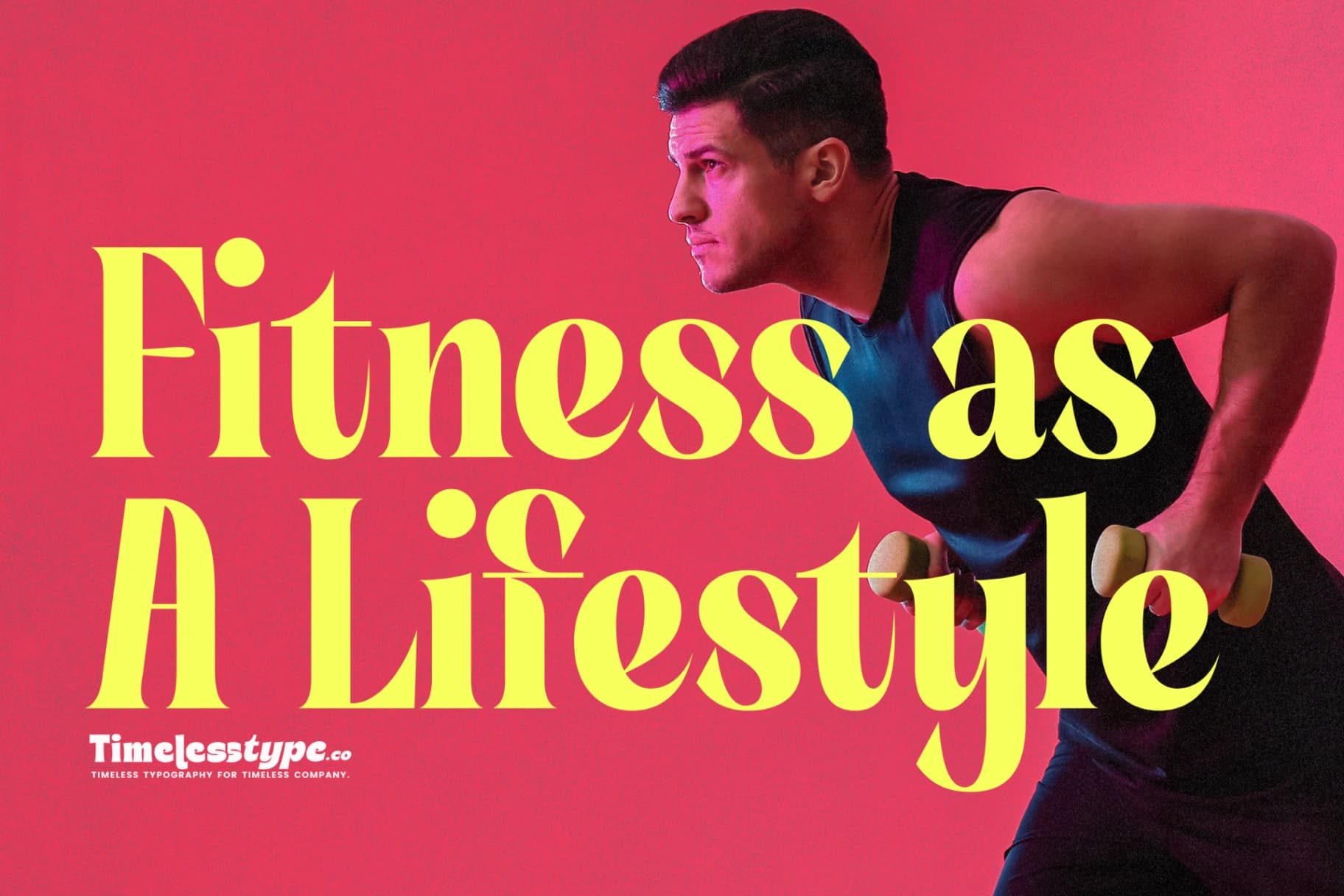
Table of Contents
- Fitness as a Lifestyle: How to Stay Consistent in 2025
- 1. Introduction — Fitness Isn’t a Phase. It’s a Decision.
- 2. The 2025 Reality — Why Staying Fit Is Harder (and More Important) Than Ever
- 3. The Mindset Shift — Stop “Working Out,” Start “Living Fit”
- 4. Build a Routine That Actually Fits Your Life
- 5. The Power of Habit Stacking
- 6. Nutrition: Simplify, Don’t Obsess
- 7. Sleep: The Forgotten Fitness Pillar
- 8. The Role of Recovery — Train Hard, Rest Smarter
- 9. Technology and Fitness in 2025 — Use It, Don’t Depend on It
- 10. Motivation Is Temporary — Build Systems Instead
- 11. Mental Fitness — The Hidden Half of the Equation
- 12. Fitness and Identity — Make It Who You Are
- 13. Dealing with Burnout — Rest Without Quitting
- 14. Community: The Consistency Multiplier
- 15. Fitness Across Life Stages — Adapt, Don’t Quit
- 16. The 2025 Fitness Trends Worth Paying Attention To
- 17. How to Reignite Motivation When It Fades
- 18. The 1% Rule — The Secret to Lifelong Fitness
- 19. Real Talk — Stop Comparing. Start Compounding.
- 20. Final Thoughts — Fitness Is Freedom
- 💡 Takeaway
Fitness as a Lifestyle: How to Stay Consistent in 2025
1. Introduction — Fitness Isn’t a Phase. It’s a Decision.
Let’s be honest: most people don’t struggle with starting fitness. They struggle with staying consistent.
They go hard for two weeks, lose steam, then start over — again and again.
The truth is simple: fitness isn’t a hobby, it’s a lifestyle choice.
And in 2025, when distractions, desk jobs, and dopamine addictions are stronger than ever, consistency is the real flex.
This article isn’t about six-packs or 30-day transformations. It’s about building a mindset that keeps you healthy, strong, and mentally sharp — permanently.
2. The 2025 Reality — Why Staying Fit Is Harder (and More Important) Than Ever
We live in the most convenient and sedentary era in history.
AI does half your work, delivery apps feed you, and scrolling replaces walking. Convenience kills discipline.
At the same time, stress levels are skyrocketing — burnout, anxiety, poor sleep.
Fitness isn’t just about looking better anymore. It’s your defense system against modern life.
Regular exercise is proven to:
Reduce stress hormones (cortisol)
Improve focus and energy
Stabilize mood and confidence
Prevent chronic diseases
Extend lifespan
In short — fitness isn’t optional if you want to perform well, think clearly, and age well in 2025.
3. The Mindset Shift — Stop “Working Out,” Start “Living Fit”
Most people see fitness as a task. Something to check off a list.
But people who stay consistent see it differently — as part of who they are.
Here’s the shift:
👉 “I have to work out” → “I move because this is who I am.”
Consistency doesn’t come from motivation. It comes from identity.
Once you start identifying as a fit person, your habits follow automatically — just like you don’t “try” to brush your teeth, you just do it.
Fitness becomes maintenance, not punishment.
4. Build a Routine That Actually Fits Your Life
Stop trying to copy influencers who spend 3 hours at the gym daily. You need a routine that’s sustainable, not extreme.
Ask yourself:
What kind of movement do I enjoy?
What time of day do I realistically have energy?
How much time can I commit without resenting it?
Then design your routine around your reality, not your fantasy.
Examples:
30-minute morning mobility + weights split
20-minute HIIT sessions, 4x per week
Long evening walks and weekend hikes
Yoga + resistance bands for home-based strength
Sustainability beats intensity — every time.
5. The Power of Habit Stacking
If you can’t find time, build habits around your current lifestyle.
That’s where habit stacking comes in — pairing a new fitness habit with an existing daily activity.
Examples:
Do push-ups after brushing your teeth
Stretch while your coffee brews
Walk during phone calls or meetings
Take stairs every time you see them
End your workday with a 5-minute plank
Consistency doesn’t require a gym — just creativity and structure.
6. Nutrition: Simplify, Don’t Obsess
Forget extreme diets. In 2025, the smart approach is nutritional minimalism.
Focus on three fundamentals:
Protein at every meal. Keeps you full and builds muscle.
Hydration. Half your body weight in ounces per day is a good benchmark.
Whole foods first. 80% clean, 20% flexibility — that’s sustainability.
Remember, fitness isn’t a “diet phase.” It’s learning how to eat like an adult — for energy, not emotion.
No magic supplements. No detox tea. Just consistency and awareness.
7. Sleep: The Forgotten Fitness Pillar
You can’t out-train bad sleep.
Inconsistent sleep destroys hormones, slows recovery, and kills motivation.
Here’s what actually works:
Stick to consistent sleep and wake times — even on weekends.
Keep your room dark, cool, and tech-free.
Avoid caffeine after 2 PM.
Don’t scroll before bed — your brain needs a calm runway to rest.
Think of sleep as your nightly recharge session.
Without it, your workouts are half-effective, and your progress halts.
8. The Role of Recovery — Train Hard, Rest Smarter
If you’re training but always sore, sluggish, or unmotivated — you’re not lazy. You’re probably under-recovered.
Recovery is a skill.
It includes:
Stretching and mobility work
Active rest days (light walking, yoga)
Proper hydration and protein intake
Cold showers or sauna sessions
Mindful rest — not just “scrolling breaks”
Remember: muscle grows during rest, not during training.
9. Technology and Fitness in 2025 — Use It, Don’t Depend on It
Fitness apps, wearables, and AI trainers are tools — not crutches.
They’re great for tracking progress and accountability, but they don’t replace self-discipline.
Use them strategically:
Track your sleep, steps, and heart rate trends.
Follow AI-based workout plans to remove guesswork.
Sync progress with your nutrition tracker for insight.
But — learn to listen to your body, not just your smartwatch.
Tech is a supplement, not a substitute for commitment.
10. Motivation Is Temporary — Build Systems Instead
You won’t always feel motivated.
That’s reality. But systems don’t care about feelings.
Build a structure that makes consistency automatic:
Schedule workouts like meetings — non-negotiable.
Keep your gym clothes visible.
Set “movement reminders” throughout the day.
Train with friends or join communities.
Reward consistency, not perfection.
A system outperforms motivation every single time.
11. Mental Fitness — The Hidden Half of the Equation
Physical health means nothing if your mental health is crumbling.
Fitness isn’t just biceps — it’s brain chemistry.
Daily movement improves dopamine balance, reduces anxiety, and increases resilience.
In 2025, mental fitness is the real flex.
Try:
Meditation post-workout for focus
Journaling your progress weekly
Cold exposure for mental toughness
Breathing exercises between sets to stay grounded
You train your body to move — now train your mind to stay calm under pressure.
12. Fitness and Identity — Make It Who You Are
You can’t rely on motivation forever, but you can rely on identity.
Tell yourself:
“I’m the kind of person who takes care of my body.”
“I don’t miss workouts — I adjust.”
“This is part of my routine, not my punishment.”
Every action reinforces identity.
Miss a workout? Don’t spiral — show up tomorrow.
Fitness is cumulative — every rep counts, every small choice compounds.
13. Dealing with Burnout — Rest Without Quitting
Burnout happens when discipline loses direction.
It’s not about being weak — it’s about imbalance.
If you hit a wall:
Switch your training style (try boxing, dance, or swimming).
Take a deload week — active rest.
Revisit your “why.” Why did you start?
Track progress beyond aesthetics — focus on energy, mood, and strength.
The goal is longevity, not perfection.
14. Community: The Consistency Multiplier
Humans thrive in tribes.
Training solo builds discipline, but training in a community builds momentum.
Find your crew:
Join group classes or local fitness clubs.
Connect with like-minded people online.
Follow creators who educate, not just flex.
Celebrate others’ progress — positivity compounds.
When fitness becomes social, accountability becomes effortless.
15. Fitness Across Life Stages — Adapt, Don’t Quit
Your approach to fitness at 25 won’t look the same at 45. And that’s fine.
The key is adaptation, not abandonment.
20s: Build strength, discipline, and habits.
30s: Balance intensity with longevity.
40s+: Prioritize recovery, flexibility, and hormone balance.
A “fit lifestyle” evolves with you — it doesn’t end when your schedule gets busy or your body changes.
16. The 2025 Fitness Trends Worth Paying Attention To
Functional fitness: Training for real-life movement, not vanity.
Wearable AI coaching: Personalized training plans based on biometrics.
Holistic health: Mind, body, and stress regulation integrated.
Recovery tech: Cold plunges, infrared saunas, and smart massage tools.
Hybrid gyms: Online + physical access, global coaching in real time.
Adopt what helps you — ignore what distracts you. The trend doesn’t matter if the habit isn’t consistent.
17. How to Reignite Motivation When It Fades
When motivation dies (and it will), rely on micro-triggers:
Watch a short fitness documentary or podcast.
Revisit old progress photos.
Train for performance, not just looks (like hitting a new lift).
Do shorter workouts — momentum beats zero effort.
Reward consistency with something meaningful (not food — experiences).
Your energy will always fluctuate. Your commitment shouldn’t.
18. The 1% Rule — The Secret to Lifelong Fitness
Forget perfection. Aim for 1% better daily.
That’s it.
One more rep. One healthier meal. One extra hour of sleep.
Over a year, those 1% improvements stack into transformation.
Fitness isn’t about intensity — it’s about compound effort.
Small, repeated actions beat massive but inconsistent bursts.
19. Real Talk — Stop Comparing. Start Compounding.
Social media shows results, not consistency. You see the abs, not the routine. The PR lift, not the recovery days.
Your only competition is your previous self.
Every workout, every meal, every decision is a vote for the person you want to become.
Stop chasing “aesthetics.” Start chasing integrity.
That’s what real fitness looks like.
20. Final Thoughts — Fitness Is Freedom
When you treat fitness as lifestyle, not obligation — everything changes.
You wake up with more clarity, handle stress better, and move through life with confidence.
Consistency builds peace.
Discipline creates freedom.
You don’t need to be perfect — you just need to keep showing up.
Because every time you choose movement over comfort, you’re proving to yourself that you still have control.
And that’s what living fit in 2025 truly means.
💡 Takeaway
Fitness isn’t a destination — it’s daily alignment between body, mind, and purpose.
Consistency isn’t built overnight, but every rep, meal, and choice writes your story.
Stay patient. Stay moving. Stay real.
Your 2025 fitness journey isn’t about changing how you look — it’s about changing how you live.
Related
Tags
Browse similar work by purpose and style.
.webp&w=1920&q=75&dpl=dpl_Gc2H6qw5qz6tftmNLm7EMoaFVtW7)
.webp&w=1920&q=75&dpl=dpl_Gc2H6qw5qz6tftmNLm7EMoaFVtW7)
.webp&w=1920&q=75&dpl=dpl_Gc2H6qw5qz6tftmNLm7EMoaFVtW7)
.webp&w=1920&q=75&dpl=dpl_Gc2H6qw5qz6tftmNLm7EMoaFVtW7)
.webp&w=1920&q=75&dpl=dpl_Gc2H6qw5qz6tftmNLm7EMoaFVtW7)
.webp&w=1920&q=75&dpl=dpl_Gc2H6qw5qz6tftmNLm7EMoaFVtW7)
.webp&w=1920&q=75&dpl=dpl_Gc2H6qw5qz6tftmNLm7EMoaFVtW7)
.webp&w=1920&q=75&dpl=dpl_Gc2H6qw5qz6tftmNLm7EMoaFVtW7)