


.jpg&w=256&q=75&dpl=dpl_Gc2H6qw5qz6tftmNLm7EMoaFVtW7)
.jpg&w=256&q=75&dpl=dpl_Gc2H6qw5qz6tftmNLm7EMoaFVtW7)
.webp&w=256&q=75&dpl=dpl_Gc2H6qw5qz6tftmNLm7EMoaFVtW7)
.webp&w=256&q=75&dpl=dpl_Gc2H6qw5qz6tftmNLm7EMoaFVtW7)



Lifestyle
Creating a Lifestyle You Love, One Habit at a Time
Insights, tutorials, and type notes from the Timeless Type studio.
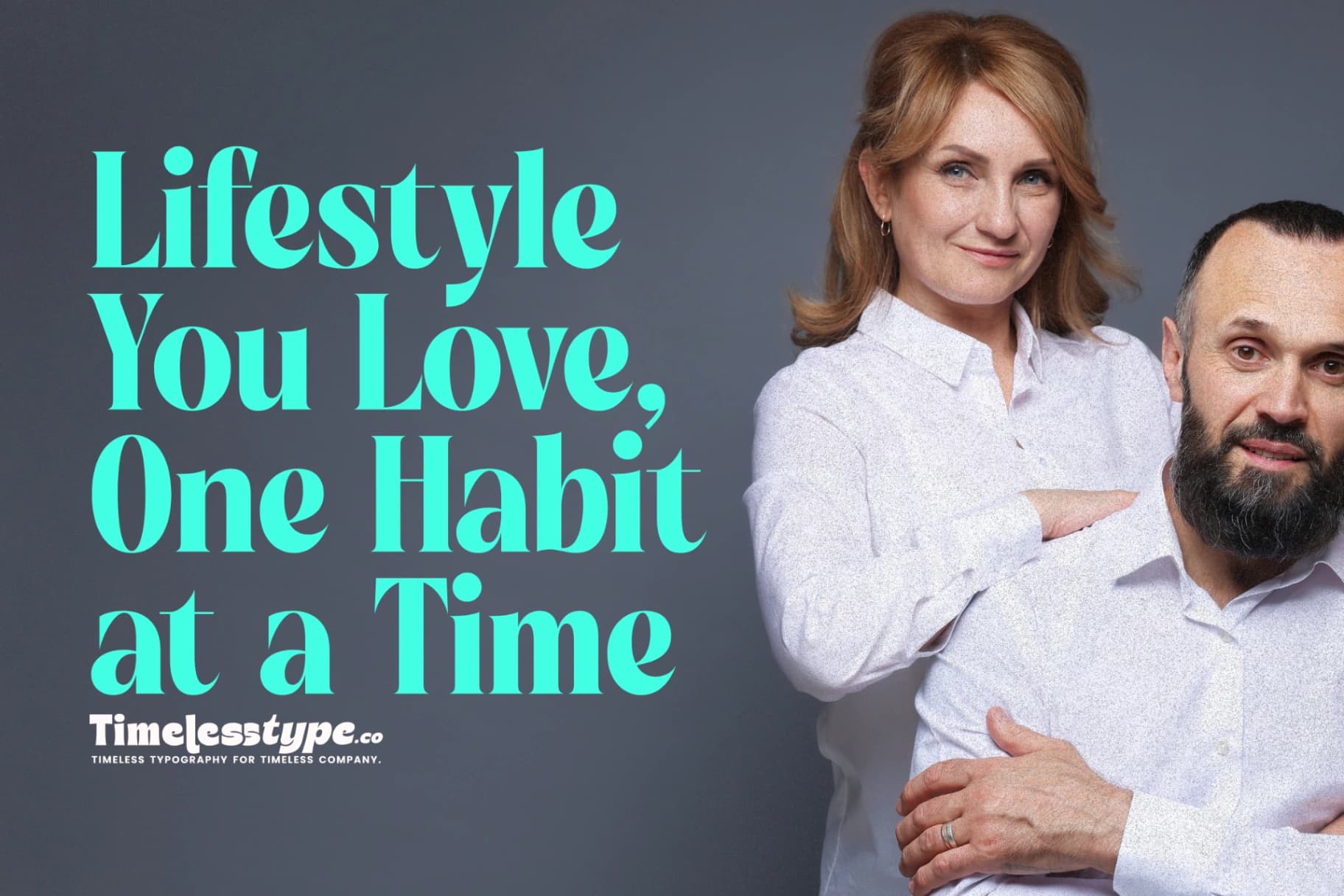
Table of Contents
- 1. Redefining Lifestyle as Daily Experience
- 2. Why Habits Matter More Than Motivation
- 3. Start With How You Want Your Life to Feel
- 4. Building Identity-Based Habits
- 5. Start Smaller Than You Think You Should
- 6. Morning Habits Shape Emotional Tone
- 7. Habits That Protect Your Energy
- 8. Creating Habits Around Focus and Attention
- 9. Habits That Support Mental and Emotional Health
- 10. Designing Habits That Fit Your Real Life
- 11. Habits Around Physical Well-Being
- 12. Evening Habits That Encourage Closure
- 13. Habit Stacking: Building Without Overwhelm
- 14. Letting Go of All-or-Nothing Thinking
- 15. Tracking Progress Without Obsession
- 16. Habits Shape Confidence and Self-Trust
- 17. Allowing Habits to Evolve
- 18. Choosing Habits That Reflect Your Values
- 19. Patience in Lifestyle Creation
- Conclusion
Creating a Lifestyle You Love, One Habit at a Time
Many people believe that a life they love requires a major transformation — a new career, a dramatic move, or a sudden breakthrough. Because of this belief, they postpone happiness until “someday,” waiting for the right conditions to arrive. In reality, a fulfilling lifestyle is rarely created through one big change. It is built quietly, patiently, through small habits practiced every day.
A lifestyle you love is not a destination. It is a system. And that system is shaped by habits.
This article explores how intentional habits — simple, realistic, and sustainable — can gradually shape a lifestyle that feels aligned, balanced, and genuinely satisfying.
1. Redefining Lifestyle as Daily Experience
Lifestyle is often misunderstood as appearance:
Where you live
What you own
How busy you are
How successful you look
In truth, lifestyle is how your days feel.
It is:
How you wake up
How you spend your energy
How you manage stress
How you treat yourself
How often you feel aligned with your values
A lifestyle you love is created in ordinary moments, not special occasions.
2. Why Habits Matter More Than Motivation
Motivation is emotional and inconsistent.
Habits are structural and reliable.
Motivation might inspire change, but habits sustain it.
When habits are in place:
You don’t rely on willpower
Progress becomes automatic
Change feels natural, not forced
The quality of your habits determines the quality of your lifestyle.
3. Start With How You Want Your Life to Feel
Before building habits, clarity matters.
Ask yourself:
How do I want my days to feel?
Calm or energetic?
Focused or flexible?
Structured or spacious?
Habits should serve feelings, not trends.
A lifestyle you love is not about copying others — it’s about alignment.
4. Building Identity-Based Habits
Sustainable habits are tied to identity.
Instead of:
“I want to exercise”
Try:
“I am someone who moves regularly”
Instead of:
“I want to be productive”
Try:
“I am someone who respects my time”
Habits stick when they reinforce who you believe you are becoming.
Identity drives behavior.
5. Start Smaller Than You Think You Should
Most habits fail because they are too ambitious.
A habit should feel:
Easy to start
Hard to fail
Simple to repeat
Examples:
Five minutes of movement
One glass of water
One page of reading
One moment of reflection
Consistency beats intensity.
Small habits build trust with yourself.
6. Morning Habits Shape Emotional Tone
Mornings quietly influence the entire day.
Helpful morning habits include:
Avoiding your phone for a few minutes
Hydrating early
Gentle movement
Setting one clear priority
You don’t need a long routine — you need intention.
How you start the day affects how you experience it.
7. Habits That Protect Your Energy
A lifestyle you love requires energy management.
Helpful habits:
Taking breaks before burnout
Saying no when needed
Reducing unnecessary commitments
Limiting constant availability
Energy is not infinite.
Protecting it is an act of self-respect.
8. Creating Habits Around Focus and Attention
Attention is your most valuable resource.
Small habits that improve focus:
Working in short, focused blocks
Reducing multitasking
Limiting notifications
Single-tasking intentionally
A focused life feels calmer and more fulfilling.
Clarity often comes from removing noise, not adding effort.
9. Habits That Support Mental and Emotional Health
Mental well-being is foundational to a lifestyle you love.
Supportive habits include:
Journaling briefly
Practicing gratitude
Sitting in silence
Processing emotions honestly
These habits don’t eliminate stress — they help you navigate it.
Emotional awareness builds stability.
10. Designing Habits That Fit Your Real Life
Your habits must match your reality.
Avoid:
Unrealistic schedules
Overly rigid routines
Guilt-driven discipline
Instead:
Design habits that work on busy days
Allow flexibility
Focus on sustainability
A habit that survives chaos is more valuable than a perfect one that only works on ideal days.
11. Habits Around Physical Well-Being
You don’t need extreme fitness routines.
Supportive physical habits include:
Regular movement
Consistent sleep routines
Balanced nutrition
Listening to your body
Physical care is not about appearance.
It’s about supporting daily function and mood.
A healthy body supports a balanced life.
12. Evening Habits That Encourage Closure
How you end your day matters as much as how you start it.
Helpful evening habits:
Reflecting briefly on the day
Preparing for tomorrow
Disconnecting from screens
Allowing rest without guilt
Closure creates mental peace.
A rested mind is more resilient.
13. Habit Stacking: Building Without Overwhelm
Habit stacking links new habits to existing ones.
Examples:
Stretch after brushing your teeth
Journal after dinner
Read before bed
Reflect after your morning drink
This reduces friction and increases consistency.
Habits grow best when attached to routines.
14. Letting Go of All-or-Nothing Thinking
One missed habit does not erase progress.
All-or-nothing thinking:
Creates guilt
Discourages consistency
Turns small slips into quitting
A lifestyle you love is forgiving, not fragile.
Progress continues when you return calmly.
15. Tracking Progress Without Obsession
Tracking helps awareness — not judgment.
Simple tracking options:
Habit checklists
Weekly reflection
Noticing patterns
Focus on trends, not perfection.
Growth is measured over time, not days.
16. Habits Shape Confidence and Self-Trust
Every habit you keep strengthens self-trust.
When you:
Show up consistently
Keep small promises
Act in alignment
confidence grows naturally.
A lifestyle you love is built on trust with yourself.
17. Allowing Habits to Evolve
Your life will change — your habits should too.
Adapt habits as:
Responsibilities shift
Energy changes
Priorities evolve
Flexibility is not failure.
It’s maturity.
A sustainable lifestyle adapts.
18. Choosing Habits That Reflect Your Values
The most fulfilling habits reflect what matters to you.
Values-based habits might include:
Creativity
Learning
Connection
Health
Simplicity
When habits align with values, consistency becomes easier.
Meaning fuels discipline.
19. Patience in Lifestyle Creation
A lifestyle you love is not built in weeks.
It grows through:
Repetition
Reflection
Adjustment
Time
Be patient with the process.
Lasting change is quiet before it becomes visible.
Conclusion
Creating a lifestyle you love does not require reinvention. It requires intention. One habit at a time, you shape how your days feel, how your energy flows, and how aligned your life becomes.
Small habits:
Build momentum
Strengthen self-trust
Create stability
Support joy
You don’t need to change everything.
You need to change something — consistently.
A lifestyle you love is not found.
It is built — quietly, patiently, one habit at a time.
Related
Tags
Browse similar work by purpose and style.
.webp&w=1920&q=75&dpl=dpl_Gc2H6qw5qz6tftmNLm7EMoaFVtW7)
.webp&w=1920&q=75&dpl=dpl_Gc2H6qw5qz6tftmNLm7EMoaFVtW7)
.webp&w=1920&q=75&dpl=dpl_Gc2H6qw5qz6tftmNLm7EMoaFVtW7)
.webp&w=1920&q=75&dpl=dpl_Gc2H6qw5qz6tftmNLm7EMoaFVtW7)
.webp&w=1920&q=75&dpl=dpl_Gc2H6qw5qz6tftmNLm7EMoaFVtW7)
.webp&w=1920&q=75&dpl=dpl_Gc2H6qw5qz6tftmNLm7EMoaFVtW7)
.webp&w=1920&q=75&dpl=dpl_Gc2H6qw5qz6tftmNLm7EMoaFVtW7)
.webp&w=1920&q=75&dpl=dpl_Gc2H6qw5qz6tftmNLm7EMoaFVtW7)