









Creating a Lifestyle You Don’t Need an Escape
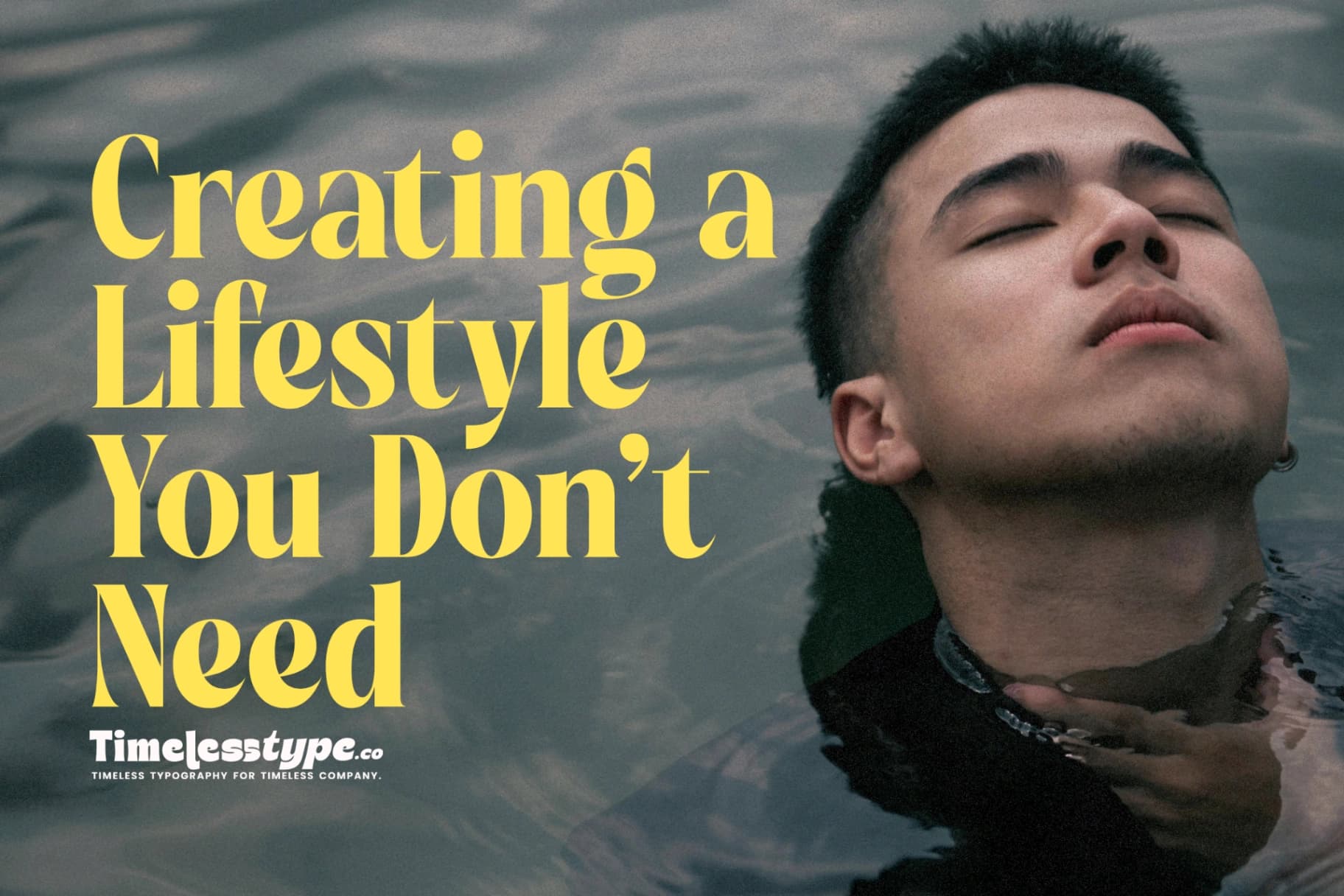
Table of Contents
- 1. Escapism Is Feedback, Not Failure
- 2. Optimize the Default Day, Not the Highlights
- 3. Stop Building a Life That Requires Recovery
- 4. Reduce the Gap Between Who You Are and How You Live
- 5. Design Around Energy, Not Status
- 6. Simplify Before You Upgrade
- 7. Build Rhythms, Not Rigid Schedules
- 8. Normalize “Enough”
- 9. Make Boredom Safe Again
- 10. Protect the First and Last Hours of the Day
- 11. Set Boundaries That Prevent Burnout
- 12. Align Success With Your Nervous System
- 13. Build Slack Into the System
- 14. Replace Constant Motivation With Gentle Structure
- 15. Redefine Freedom
- 16. Allow Bad Days Without System Collapse
- 17. Make Your Life Quietly Enjoyable
- 18. Build for Longevity, Not Intensity
- Final Thoughts
Creating a Lifestyle You Don’t Need an Escape From
Most people don’t want a better vacation.
They want a better default life.
The urge to escape—through weekends, travel, entertainment, or endless scrolling—is usually a signal. Not that life is bad, but that it’s misaligned. When your days drain you, escapes become survival tools. When your days support you, escapes become optional pleasures.
This article is about designing a lifestyle you don’t need to escape from. Not a perfect life. Not a luxury life. A livable, sustainable, honest life that works on ordinary days.
1. Escapism Is Feedback, Not Failure
If you constantly look forward to:
The weekend
Time off
“Someday” changes
that’s not weakness. It’s information.
Escapism shows where friction exists—work that drains you, schedules that don’t fit your energy, commitments that exceed capacity. Ignoring the signal leads to burnout. Interpreting it leads to redesign.
2. Optimize the Default Day, Not the Highlights
Many people design life around highlights:
Vacations
Promotions
Big milestones
But life is mostly made of ordinary days. If the default day is unbearable, no highlight can compensate.
Ask:
“If today repeated for the next year, would this be okay?”
If the answer is no, the solution isn’t more escape. It’s structural change.
3. Stop Building a Life That Requires Recovery
If your lifestyle requires:
Heavy weekends to recover
Vacations to reset
Late nights to numb out
the system is broken.
Recovery should enhance life, not keep it afloat. A healthy lifestyle allows you to end most days with energy left—not debt.
4. Reduce the Gap Between Who You Are and How You Live
A major source of exhaustion is identity mismatch.
You value calm, but live in urgency.
You value depth, but work in distraction.
You value autonomy, but accept constant interruptions.
A lifestyle you don’t need to escape from reduces this gap. Values aren’t posters—they’re daily behaviors.
5. Design Around Energy, Not Status
Status-driven lifestyles prioritize:
Appearances
Titles
Comparison
Energy-driven lifestyles prioritize:
Focus
Clarity
Recovery
Energy is the real currency. When energy is stable, productivity, income, and well-being follow. When energy collapses, everything else follows it down.
6. Simplify Before You Upgrade
Dissatisfaction often comes from excess:
Too many commitments
Too many inputs
Too many expectations
Before adding anything, remove something.
Simplification creates margin. Margin creates choice. Choice reduces the need to escape.
7. Build Rhythms, Not Rigid Schedules
Rigid schedules snap under pressure. Rhythms adapt.
Healthy rhythms include:
Work blocks that respect focus
Breaks that are real
Evenings that slow down
Weekends that reset gently
Rhythms give structure without suffocation.
8. Normalize “Enough”
Without a definition of enough:
Work expands endlessly
Spending never stops
Satisfaction never arrives
Define:
Enough work for today
Enough income for this season
Enough progress for now
Enough is not settling. It’s stabilizing.
9. Make Boredom Safe Again
Constant stimulation feels exciting—until it becomes exhausting.
A livable lifestyle allows:
Quiet mornings
Repetitive routines
Unremarkable days
Boredom isn’t a problem. It’s a nervous system reset.
10. Protect the First and Last Hours of the Day
The edges of your day shape the middle.
Protect:
Mornings from chaos
Evenings from endless input
This doesn’t require perfection—just intention. When the day starts and ends calmly, the need to escape decreases.
11. Set Boundaries That Prevent Burnout
Burnout rarely comes from one big mistake. It comes from thousands of small yeses.
Boundaries that matter:
Work stop times
Communication windows
Clear priorities
Real off-hours
Boundaries protect future you.
12. Align Success With Your Nervous System
Not everyone thrives in intensity. Some thrive in steadiness.
Problems arise when you chase a version of success your nervous system can’t tolerate. A sustainable lifestyle fits how you’re built, not how success is marketed.
13. Build Slack Into the System
A lifestyle without slack collapses under stress.
Slack looks like:
Time buffers
Financial margins
Flexible expectations
Slack turns setbacks into inconveniences instead of crises.
14. Replace Constant Motivation With Gentle Structure
Motivation is unreliable. Structure is not.
A livable life doesn’t require hype to function. Gentle structure reduces decision fatigue and keeps you moving without force.
15. Redefine Freedom
Freedom isn’t unlimited choice. It’s sustainable choice.
Real freedom means:
Saying no without guilt
Resting without anxiety
Working without resentment
Living without constant escape fantasies
16. Allow Bad Days Without System Collapse
A good lifestyle doesn’t eliminate bad days. It absorbs them.
That means:
Forgiving routines
Adjustable expectations
Resilience over perfection
Consistency comes from kindness, not pressure.
17. Make Your Life Quietly Enjoyable
Not everything needs to be optimized or shared.
People who don’t need to escape enjoy:
Familiar places
Simple routines
Predictable comforts
Quiet enjoyment compounds.
18. Build for Longevity, Not Intensity
Intensity is impressive. Longevity is effective.
A lifestyle you don’t need to escape from is one you can maintain for years—not just months. That requires pacing, honesty, and restraint.
Final Thoughts
A lifestyle you don’t need to escape from isn’t glamorous.
It’s calm, aligned, and humane.
It doesn’t rely on weekends to survive or vacations to reset. It supports you on ordinary days.
The goal isn’t to escape life.
The goal is to make life livable.
And that starts by designing around who you actually are—not who you think you should be.
.webp&w=3840&q=75&dpl=dpl_3WFG66fYZ4jS6JATNdYhDAcw7pMB)
.webp&w=3840&q=75&dpl=dpl_3WFG66fYZ4jS6JATNdYhDAcw7pMB)
.webp&w=3840&q=75&dpl=dpl_3WFG66fYZ4jS6JATNdYhDAcw7pMB)
.webp&w=3840&q=75&dpl=dpl_3WFG66fYZ4jS6JATNdYhDAcw7pMB)
.webp&w=3840&q=75&dpl=dpl_3WFG66fYZ4jS6JATNdYhDAcw7pMB)
.webp&w=3840&q=75&dpl=dpl_3WFG66fYZ4jS6JATNdYhDAcw7pMB)
.webp&w=3840&q=75&dpl=dpl_3WFG66fYZ4jS6JATNdYhDAcw7pMB)
.webp&w=3840&q=75&dpl=dpl_3WFG66fYZ4jS6JATNdYhDAcw7pMB)