


.jpg&w=256&q=75&dpl=dpl_Gc2H6qw5qz6tftmNLm7EMoaFVtW7)
.jpg&w=256&q=75&dpl=dpl_Gc2H6qw5qz6tftmNLm7EMoaFVtW7)
.webp&w=256&q=75&dpl=dpl_Gc2H6qw5qz6tftmNLm7EMoaFVtW7)
.webp&w=256&q=75&dpl=dpl_Gc2H6qw5qz6tftmNLm7EMoaFVtW7)



Business
Work Culture 2.0: Building Strong, Flexible, and Future-Ready Teams
Insights, tutorials, and type notes from the Timeless Type studio.
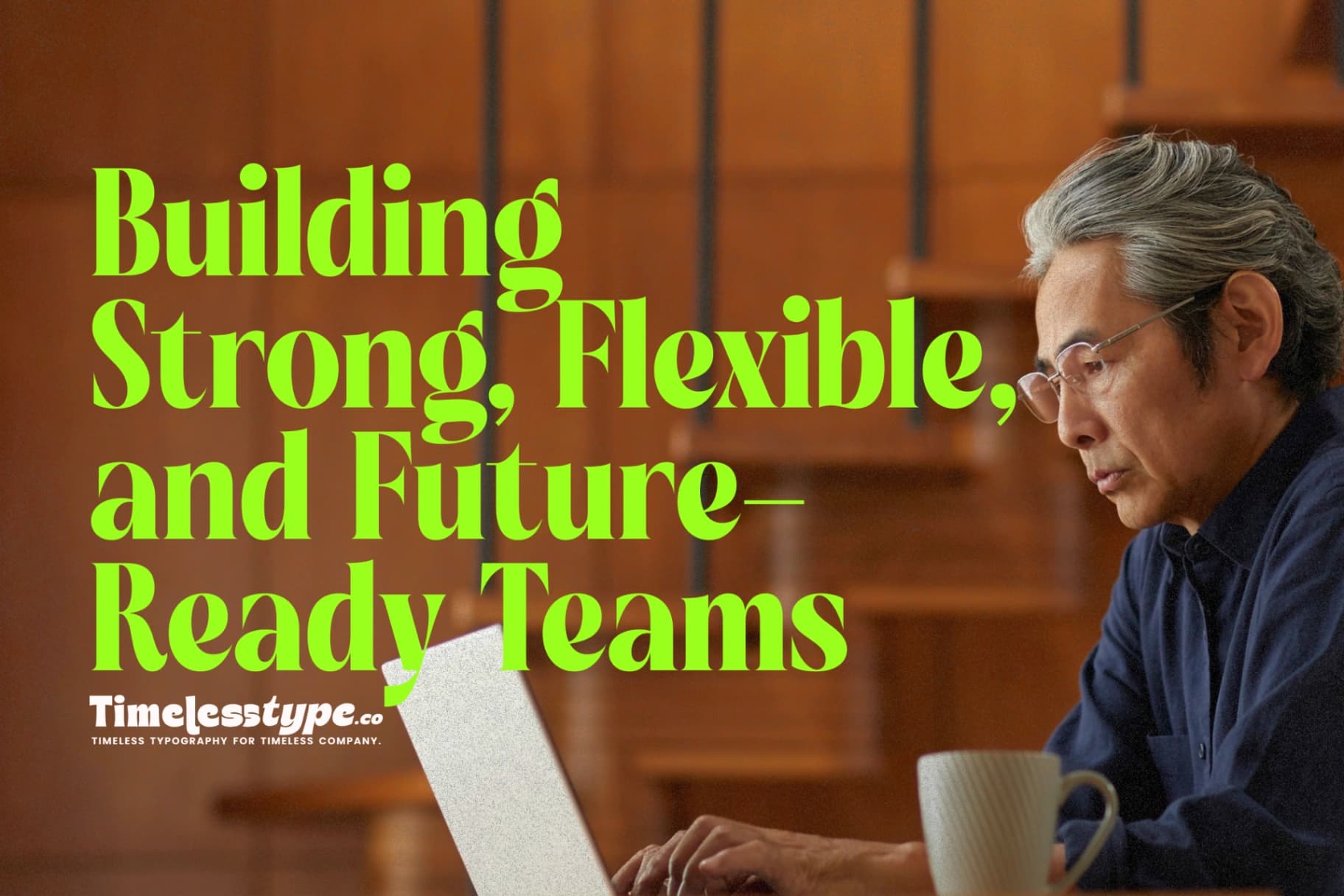
Table of Contents
- 1. Understanding Work Culture 2.0
- The shift looks like this:
- 2. The New Expectations of the Modern Workforce
- Today’s professionals value:
- 3. Building a Culture of Flexibility and Trust
- How to foster flexibility:
- 4. Redefining Leadership for a Hybrid Future
- The new leader must:
- 5. Prioritizing Mental Health and Well-Being
- Build mental resilience by:
- 6. Diversity, Equity, and Inclusion (DEI) as Core Values
- Actions for inclusive culture:
- 7. The Role of Technology in Work Culture 2.0
- Essential tools for modern teams:
- 8. Continuous Learning and Upskilling
- Encourage lifelong learning by:
- 9. From Employee Experience to Human Experience
- HX focuses on:
- 10. Reinventing Communication and Collaboration
- To keep teams connected:
- 11. Building a Culture of Accountability
- Strengthen accountability by:
- 12. Measuring Culture in the Digital Age
- Key indicators of a strong work culture:
- 13. Purpose as the New Productivity
- Infuse purpose into your culture:
- 14. Fostering Creativity and Innovation
- To encourage innovation:
- 15. The Importance of Empathy in Leadership
- Empathy in practice:
- 16. Adapting to the Gig and Hybrid Workforce
- To integrate diverse work models:
- 17. The Evolution of Office Spaces
- The new workplace is:
- 18. Sustainability and Social Impact in Culture
- Integrate sustainability into your organization:
- 19. Crisis Preparedness and Adaptability
- Build adaptability by:
- 20. Conclusion: Culture Is the New Currency
Work Culture 2.0: Building Strong, Flexible, and Future-Ready Teams
The world of work has changed forever.
In the past few years, organizations have faced unprecedented challenges — from remote work transitions and digital transformation to generational shifts and the growing demand for work-life balance.
Out of this evolution has emerged a new reality: Work Culture 2.0 — a system built not on hierarchy or routine, but on flexibility, trust, and shared purpose.
In 2025 and beyond, companies that thrive will be those that adapt, empower, and evolve faster than change itself.
Here’s how to build strong, flexible, and future-ready teams in the era of Work Culture 2.0.
1. Understanding Work Culture 2.0
Work Culture 2.0 represents the transformation of the traditional workplace into a more human-centered, digital, and adaptive ecosystem.
The shift looks like this:
Old Work CultureWork Culture 2.09-to-5 office hoursFlexible, hybrid, or fully remote workCommand and controlCollaboration and autonomyJob security mindsetGrowth and skill mobilityOne-size-fits-allPersonalized employee experiencesFocus on profitFocus on purpose and people
This isn’t just a trend — it’s the new operating system of modern business.
2. The New Expectations of the Modern Workforce
Employees in 2025 aren’t just looking for a paycheck — they’re looking for meaning, flexibility, and respect.
Today’s professionals value:
Autonomy: The freedom to choose when and how to work.
Flexibility: Remote or hybrid models that support real work-life balance.
Growth: Opportunities to learn, evolve, and stay relevant.
Purpose: A sense that their work contributes to something larger.
Belonging: Inclusive cultures where every voice matters.
Companies that fail to meet these expectations risk losing talent — not to competitors, but to burnout, boredom, and disconnection.
3. Building a Culture of Flexibility and Trust
The most resilient teams are built on trust, not timecards.
How to foster flexibility:
Focus on outcomes, not hours. Measure performance by results, not presence.
Encourage self-management. Empower employees to own their schedules.
Provide digital tools that support remote collaboration.
Promote accountability through clarity of goals and transparent communication.
Trust is the new productivity tool — because empowered employees deliver their best work without constant supervision.
4. Redefining Leadership for a Hybrid Future
Leadership in Work Culture 2.0 is no longer about control — it’s about connection.
The new leader must:
Inspire, not intimidate.
Communicate with empathy and transparency.
Lead through vision, not micromanagement.
Be comfortable with ambiguity and change.
Foster inclusion and psychological safety.
The best leaders of the future will be those who know how to build trust in virtual spaces and ignite purpose in diverse teams.
5. Prioritizing Mental Health and Well-Being
Burnout has become one of the most serious workplace epidemics.
A healthy culture is one where mental wellness is normalized and protected.
Build mental resilience by:
Encouraging breaks and disconnecting after hours.
Offering mental health resources (therapy, coaching, wellness apps).
Training leaders to spot burnout and provide support.
Promoting open, stigma-free conversations about stress.
In Work Culture 2.0, caring for your people is no longer optional — it’s strategic.
6. Diversity, Equity, and Inclusion (DEI) as Core Values
Diverse teams are smarter, more innovative, and more adaptable.
But diversity isn’t just about hiring — it’s about building a culture of equity and belonging.
Actions for inclusive culture:
Train teams on unconscious bias.
Ensure equitable access to promotions and pay.
Celebrate cultural differences, not just tolerate them.
Create safe spaces where employees can express themselves.
Inclusion drives innovation — because when people feel valued, they contribute their best ideas.
7. The Role of Technology in Work Culture 2.0
Technology is the bridge between flexibility and productivity.
It enables distributed teams to collaborate, communicate, and stay aligned in real time.
Essential tools for modern teams:
Project management: Notion, Asana, Trello.
Communication: Slack, Microsoft Teams, Zoom.
Knowledge sharing: Confluence, Google Workspace.
Automation & AI: Streamline repetitive tasks to boost creativity.
But remember — technology is only as good as the culture behind it.
Use it to enhance human connection, not replace it.
8. Continuous Learning and Upskilling
The shelf life of skills is shrinking fast.
By 2025, 50% of employees will need reskilling due to automation and AI integration.
Encourage lifelong learning by:
Offering access to online learning platforms (Coursera, Udemy, LinkedIn Learning).
Providing mentorship and peer-learning programs.
Rewarding curiosity and innovation.
Work Culture 2.0 thrives when people are not just working — but evolving.
9. From Employee Experience to Human Experience
Employee experience (EX) has evolved into the Human Experience (HX) — a holistic approach that sees employees as whole people, not just workers.
HX focuses on:
Emotional connection with work.
Meaningful recognition and appreciation.
Support for personal goals and life outside the office.
When employees feel seen and supported as humans, they deliver more as professionals.
10. Reinventing Communication and Collaboration
In hybrid environments, communication isn’t just important — it’s everything.
To keep teams connected:
Combine asynchronous (email, chat) and synchronous (video meetings) communication.
Set clear expectations for response times and availability.
Encourage regular check-ins and feedback loops.
Use digital dashboards for visibility across projects.
Transparency replaces micromanagement — and collaboration replaces hierarchy.
11. Building a Culture of Accountability
Accountability is the glue that holds flexible work models together.
Strengthen accountability by:
Setting clear goals with measurable outcomes.
Defining ownership for every project.
Providing constructive feedback regularly.
Celebrating achievements publicly.
Accountability without fear fosters ownership, pride, and high performance.
12. Measuring Culture in the Digital Age
Culture can’t be left to chance — it must be measured and managed.
Key indicators of a strong work culture:
Employee engagement scores.
Retention and turnover rates.
Internal feedback and sentiment analysis.
Productivity and innovation metrics.
Use surveys, 360° reviews, and analytics to understand your culture — then act on the insights.
13. Purpose as the New Productivity
Employees today aren’t motivated by profits — they’re motivated by purpose.
A clear sense of mission inspires people to go beyond their job descriptions.
Infuse purpose into your culture:
Connect company goals with social and environmental impact.
Involve employees in CSR or sustainability projects.
Share stories of how your business makes a difference.
Purpose turns work from a paycheck into a platform for impact.
14. Fostering Creativity and Innovation
Work Culture 2.0 thrives on creativity — the ability to think differently, challenge norms, and adapt to change.
To encourage innovation:
Allow freedom to experiment and fail safely.
Hold innovation sprints or hackathons.
Recognize and reward creative contributions.
When creativity is celebrated, employees stop working for approval — and start working for progress.
15. The Importance of Empathy in Leadership
The leaders of the future are empathetic communicators.
They understand that emotions drive engagement and loyalty.
Empathy in practice:
Listen actively — not to respond, but to understand.
Be transparent about challenges and decisions.
Acknowledge both effort and emotion.
Empathy builds trust — and trust builds unstoppable teams.
16. Adapting to the Gig and Hybrid Workforce
The workforce of 2025 includes freelancers, part-timers, and full-time employees working across borders.
To integrate diverse work models:
Build inclusive policies for all contributors.
Use collaboration tools that connect everyone equally.
Recognize gig workers’ contributions to your mission.
Flexibility isn’t a trend — it’s the architecture of the future of work.
17. The Evolution of Office Spaces
Offices are no longer mandatory — but they’re far from obsolete.
The new workplace is:
A hub for collaboration, not daily attendance.
Designed with flexibility — modular desks, open zones, quiet corners.
A place that reflects company culture and inspires creativity.
The office of the future blends physical comfort with digital connection.
18. Sustainability and Social Impact in Culture
Work Culture 2.0 extends beyond profit — it embraces planet and people.
Integrate sustainability into your organization:
Adopt eco-friendly policies (paperless operations, green offices).
Support social causes your employees care about.
Align business goals with environmental responsibility.
Purpose-driven companies don’t just attract customers — they retain talent that believes in the same mission.
19. Crisis Preparedness and Adaptability
If the past few years have taught us anything, it’s this:
Resilience is the ultimate business advantage.
Build adaptability by:
Documenting crisis management plans.
Cross-training teams to handle multiple functions.
Keeping communication open and agile during uncertainty.
Preparedness isn’t pessimism — it’s professional foresight.
20. Conclusion: Culture Is the New Currency
Work Culture 2.0 isn’t about perks, offices, or technology — it’s about people.
It’s about building a workplace where flexibility meets trust, purpose meets profit, and individuals feel empowered to do their best work.
The future belongs to organizations that understand this simple truth:
“Strong culture doesn’t happen by chance — it’s built by choice.”
Invest in your people.
Empower their growth.
Embrace flexibility and purpose.
Because when you build a culture that adapts, learns, and cares — you’re not just future-ready.
You’re future-proof.
Related
Tags
Browse similar work by purpose and style.
.webp&w=1920&q=75&dpl=dpl_Gc2H6qw5qz6tftmNLm7EMoaFVtW7)
.webp&w=1920&q=75&dpl=dpl_Gc2H6qw5qz6tftmNLm7EMoaFVtW7)
.webp&w=1920&q=75&dpl=dpl_Gc2H6qw5qz6tftmNLm7EMoaFVtW7)
.webp&w=1920&q=75&dpl=dpl_Gc2H6qw5qz6tftmNLm7EMoaFVtW7)
.webp&w=1920&q=75&dpl=dpl_Gc2H6qw5qz6tftmNLm7EMoaFVtW7)
.webp&w=1920&q=75&dpl=dpl_Gc2H6qw5qz6tftmNLm7EMoaFVtW7)
.webp&w=1920&q=75&dpl=dpl_Gc2H6qw5qz6tftmNLm7EMoaFVtW7)