


.jpg&w=256&q=75&dpl=dpl_Gc2H6qw5qz6tftmNLm7EMoaFVtW7)
.jpg&w=256&q=75&dpl=dpl_Gc2H6qw5qz6tftmNLm7EMoaFVtW7)
.webp&w=256&q=75&dpl=dpl_Gc2H6qw5qz6tftmNLm7EMoaFVtW7)
.webp&w=256&q=75&dpl=dpl_Gc2H6qw5qz6tftmNLm7EMoaFVtW7)



Business
Work Culture 2.0: Building Flexible and Future-Ready Business Teams
Insights, tutorials, and type notes from the Timeless Type studio.
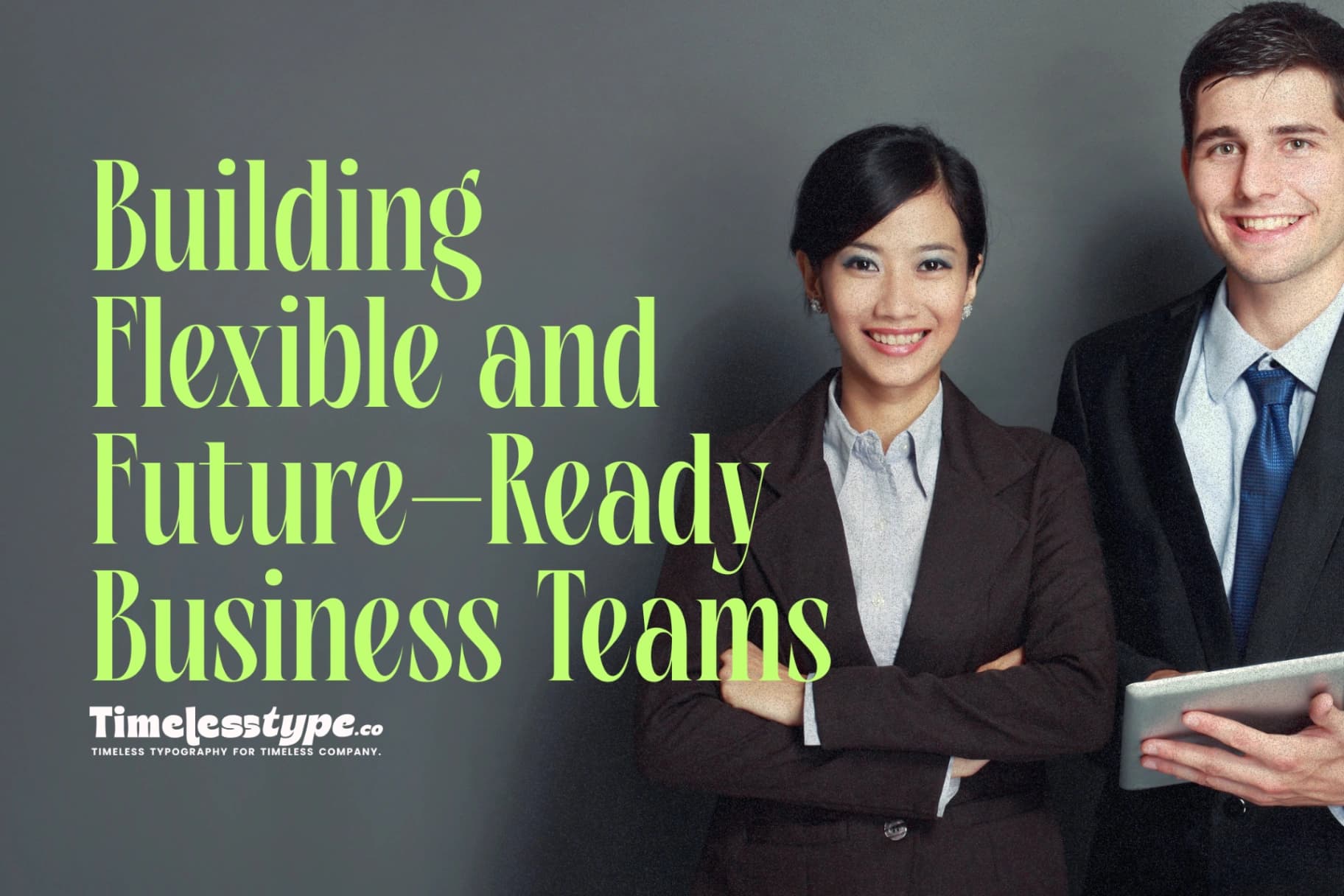
Table of Contents
- 1. From Control to Trust: The Foundation of Modern Work
- How to build trust in distributed teams:
- 2. Embracing Flexibility as a Business Advantage
- Flexible models that work:
- 3. Redefining Productivity in the Digital Era
- To redefine productivity:
- 4. Building a Culture of Continuous Learning
- How to promote a learning mindset:
- 5. Designing Teams Around Diversity and Inclusion
- Steps toward an inclusive Work Culture 2.0:
- 6. Prioritizing Well-Being and Work-Life Integration
- Ways to integrate well-being into work:
- 7. Building Communication That Connects, Not Clutters
- How to optimize modern communication:
- 8. Encouraging Collaboration Across Borders
- To create seamless collaboration:
- 9. Empowering Leaders for the Future of Work
- Leadership principles for Work Culture 2.0:
- 10. Leveraging Technology to Strengthen Culture
- The digital toolkit of the future-ready team:
- 11. Encouraging Autonomy and Ownership
- How to foster ownership:
- 12. Building Connection in Remote Teams
- How to build belonging remotely:
- 13. Redefining Success Metrics for Teams
- Success metrics that matter:
- 14. Embedding Sustainability and Purpose in Work
- To build purpose-driven teams:
- 15. The Future: Adaptive, Human-Centered, and Resilient
- Conclusion: Culture Is the New Currency
Work Culture 2.0: Building Flexible and Future-Ready Business Teams
The world of work has changed — permanently. The pandemic accelerated digital transformation, remote work became normal, and employees began prioritizing flexibility, well-being, and purpose over rigid routines.
What we’re witnessing now is Work Culture 2.0 — an evolution from traditional 9-to-5 office models to adaptable, human-centered systems designed for innovation and sustainability.
To stay competitive, businesses must go beyond offering “work from home” options. They must redefine culture — creating environments that empower people to perform their best, wherever they are.
Here’s how leaders can build flexible, future-ready teams that thrive in the new era of work.
1. From Control to Trust: The Foundation of Modern Work
The old management mindset was built on control — visibility meant productivity.
But in Work Culture 2.0, trust is the new metric of success.
Teams that operate remotely or hybrid need autonomy. Micromanagement destroys motivation, while trust fuels accountability.
How to build trust in distributed teams:
Focus on outcomes, not hours.
Give clear goals, then let people choose how to reach them.
Encourage transparency — open updates, shared progress, and visible tools (like Notion or Asana).
Replace “check-ins” with “check-ons” — support, don’t supervise.
💡 Trust isn’t given — it’s built through consistent transparency.
2. Embracing Flexibility as a Business Advantage
Flexibility is no longer a perk — it’s a competitive advantage.
Top talent now seeks freedom in how, when, and where they work.
Flexible models that work:
Hybrid-first: Core office days balanced with remote flexibility.
Fully remote: Distributed teams across regions with digital-first systems.
Asynchronous: Focused on results instead of real-time meetings.
The key is designing policies that respect both employee needs and business goals.
🌍 Flexibility builds loyalty — rigidity drives attrition.
3. Redefining Productivity in the Digital Era
In Work Culture 2.0, productivity isn’t measured by activity — it’s measured by impact.
Modern tools (AI automation, project trackers, communication platforms) enable efficiency, but only when paired with clarity and focus.
To redefine productivity:
Set measurable goals with clear KPIs.
Limit unnecessary meetings; use async communication.
Encourage “deep work” time — uninterrupted creative focus.
Automate repetitive tasks with AI and integrations.
⚙️ Smart work beats hard work when systems support it.
4. Building a Culture of Continuous Learning
The future belongs to the curious.
Technologies evolve fast, and skills that matter today may be obsolete tomorrow.
That’s why successful companies embed continuous learning into their culture.
How to promote a learning mindset:
Offer microlearning programs and online course access.
Encourage cross-functional projects to build new skills.
Celebrate learning achievements — not just deliverables.
Give employees time for experimentation and exploration.
💡 Learning is no longer extracurricular — it’s a survival skill.
5. Designing Teams Around Diversity and Inclusion
Diversity is more than a checkbox — it’s a catalyst for innovation.
When people with different perspectives collaborate, creativity flourishes.
But inclusion is the key — ensuring every voice is heard, not just invited.
Steps toward an inclusive Work Culture 2.0:
Foster psychological safety — encourage ideas without judgment.
Diversify leadership representation.
Build policies that support accessibility and equity.
Create safe spaces for feedback and honest conversations.
🌈 Diversity brings ideas. Inclusion turns them into progress.
6. Prioritizing Well-Being and Work-Life Integration
Burnout is the silent killer of productivity.
Flexible work means nothing if employees feel overworked, isolated, or undervalued.
Work Culture 2.0 recognizes well-being as a performance strategy — not an afterthought.
Ways to integrate well-being into work:
Offer mental health support and wellness resources.
Normalize rest and recovery — no “always-on” culture.
Model balance from the top — leaders who rest inspire permission to recharge.
Encourage “digital detox” time — fewer notifications, more mindfulness.
🧘 Healthy teams produce sustainable success.
7. Building Communication That Connects, Not Clutters
Communication is the glue that holds distributed teams together — but overcommunication can lead to chaos.
The goal is not to talk more, but to communicate better.
How to optimize modern communication:
Use the right tool for the right purpose (Slack for updates, Zoom for collaboration, Notion for documentation).
Establish “communication hours” for synchronous interaction.
Document everything — create a digital knowledge base.
Be concise and intentional in messaging.
💬 Clear communication saves time, energy, and misunderstandings.
8. Encouraging Collaboration Across Borders
Global teams are now the norm — not the exception.
Work Culture 2.0 thrives on collaboration beyond geography.
To create seamless collaboration:
Build cross-functional squads instead of isolated departments.
Use AI-driven tools for time zone coordination.
Rotate leadership roles to empower global perspectives.
Celebrate multicultural holidays and traditions.
🌏 Borders divide maps, not teams.
9. Empowering Leaders for the Future of Work
Leaders must evolve alongside culture.
Traditional top-down management no longer inspires modern teams.
Future-ready leaders act as coaches, not commanders.
Leadership principles for Work Culture 2.0:
Listen more than you speak.
Lead with empathy — understand before you decide.
Encourage autonomy and accountability.
Focus on mentorship, not micromanagement.
🔥 Great leaders don’t create followers — they create more leaders.
10. Leveraging Technology to Strengthen Culture
Technology is the backbone of the modern workplace, but it should serve culture, not replace it.
The digital toolkit of the future-ready team:
Collaboration tools: Slack, Microsoft Teams, ClickUp.
Documentation platforms: Notion, Confluence.
AI productivity assistants: ChatGPT, Jasper, or Copilot.
Feedback tools: Officevibe, 15Five, CultureAmp.
Well-being apps: Calm for Business, Headspace, or MindFi.
When tech empowers transparency, knowledge sharing, and well-being, culture thrives.
💻 The best technology humanizes work, not automates it.
11. Encouraging Autonomy and Ownership
In flexible organizations, autonomy drives innovation.
When employees are trusted to make decisions, they become problem-solvers — not order-takers.
How to foster ownership:
Set clear goals, not rigid processes.
Give people authority to decide how to deliver outcomes.
Recognize independent thinking and initiative.
Create accountability systems rooted in trust, not fear.
⚡ Ownership turns employees into entrepreneurs.
12. Building Connection in Remote Teams
Physical distance doesn’t have to mean emotional distance.
Future-ready teams cultivate connection intentionally.
How to build belonging remotely:
Host virtual coffee breaks and team-building sessions.
Celebrate personal milestones — birthdays, achievements, family moments.
Encourage peer-to-peer recognition.
Create informal “fun channels” for non-work conversations.
💬 Connection builds commitment.
13. Redefining Success Metrics for Teams
Old metrics — hours worked, attendance, speed — don’t reflect modern work value.
Work Culture 2.0 measures outcomes, creativity, and collaboration.
Success metrics that matter:
Project impact and quality of delivery.
Employee engagement and satisfaction.
Innovation rate (ideas generated, prototypes tested).
Team resilience — how quickly you adapt to change.
📈 Measure what matters — not just what’s measurable.
14. Embedding Sustainability and Purpose in Work
Today’s workforce, especially Gen Z and Millennials, wants meaning, not just money.
Organizations that connect daily work to a larger purpose retain talent and attract top performers.
To build purpose-driven teams:
Align business goals with social or environmental impact.
Share company mission transparently and consistently.
Recognize contributions that drive long-term good, not just profit.
Let employees see how their work impacts the bigger picture.
🌱 Purpose turns work into fulfillment.
15. The Future: Adaptive, Human-Centered, and Resilient
The companies that will thrive in the next decade are those that balance technology with humanity.
Work Culture 2.0 isn’t just about remote policies — it’s about creating ecosystems where creativity, flexibility, and empathy coexist.
The future-ready team is:
Adaptive: Evolving with change instead of resisting it.
Human-centered: Prioritizing people before processes.
Resilient: Learning fast, recovering faster.
💫 Culture isn’t built overnight — it’s built every day.
Conclusion: Culture Is the New Currency
The future of work isn’t coming — it’s already here.
Flexible, human-centered teams are not just a trend; they’re the foundation of sustainable success.
In Work Culture 2.0, leaders must think beyond policies and perks — they must design systems that foster trust, growth, and meaning.
Because ultimately, the companies that win are those that understand this truth:
✨ Technology powers work, but culture drives progress.
Related
Tags
Browse similar work by purpose and style.
.webp&w=1920&q=75&dpl=dpl_Gc2H6qw5qz6tftmNLm7EMoaFVtW7)
.webp&w=1920&q=75&dpl=dpl_Gc2H6qw5qz6tftmNLm7EMoaFVtW7)
.webp&w=1920&q=75&dpl=dpl_Gc2H6qw5qz6tftmNLm7EMoaFVtW7)
.webp&w=1920&q=75&dpl=dpl_Gc2H6qw5qz6tftmNLm7EMoaFVtW7)
.webp&w=1920&q=75&dpl=dpl_Gc2H6qw5qz6tftmNLm7EMoaFVtW7)
.webp&w=1920&q=75&dpl=dpl_Gc2H6qw5qz6tftmNLm7EMoaFVtW7)
.webp&w=1920&q=75&dpl=dpl_Gc2H6qw5qz6tftmNLm7EMoaFVtW7)