
Lifestyle
The Rise of Slow Living: Redefining Success and Happiness
Insights, tutorials, and type notes from the Timeless Type studio.
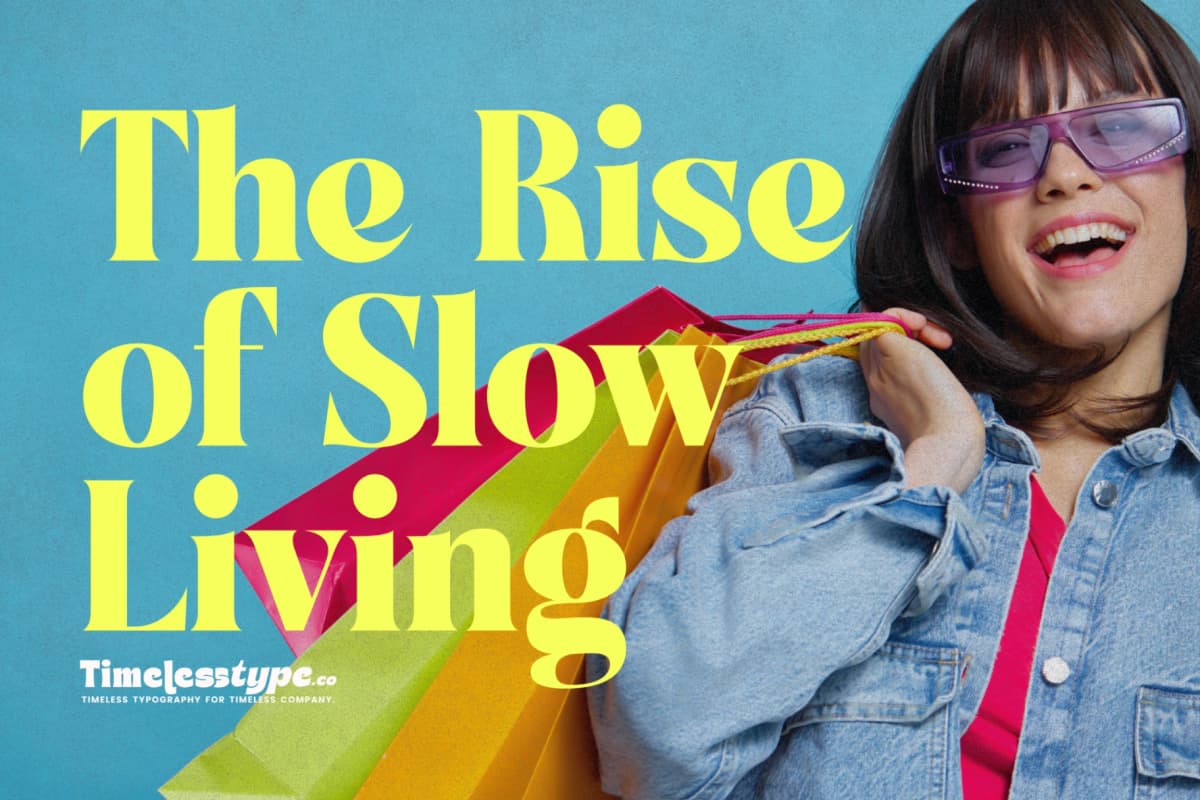
Table of Contents
- 1. What Is Slow Living, Really?
- 2. The Cultural Shift: From Hustle to Harmony
- 3. Why Speed Became the Enemy of Happiness
- 4. The Principles of Slow Living
- a. Simplicity Over Excess
- b. Presence Over Performance
- c. Connection Over Consumption
- d. Purpose Over Perfection
- 5. The Rise of the “Slow” Movements
- Slow Food:
- Slow Fashion:
- Slow Travel:
- Slow Business:
- 6. The Psychological Benefits of Slowing Down
- a. Lower Stress Levels
- b. Improved Focus
- c. Greater Emotional Awareness
- d. Enhanced Relationships
- 7. Redefining Success
- 8. The Digital Dilemma
- 9. How Businesses Are Adapting to the Slow Living Movement
- 10. How to Start Living Slower — Without Quitting Life
- 1. Create Breathing Space in Your Schedule
- 2. Simplify Your Environment
- 3. Practice Mindful Routines
- 4. Redefine Productivity
- 5. Protect Your Peace
- 11. The Irony of Slowing Down
- 12. Final Thought: The Freedom of Enough
The Rise of Slow Living: Redefining Success and Happiness
We live in an age that glorifies speed.
Fast food. Fast fashion. Fast results.
The modern world teaches us that success is measured by how much we can achieve, how quickly we can do it, and how busy we can appear while doing it.
But somewhere along the way, people started burning out — mentally, emotionally, and spiritually. The constant chase for “more” has left many feeling less: less joy, less peace, less connection.
Out of this exhaustion, a quiet rebellion was born — one that values presence over productivity, depth over deadlines, and being over doing.
This is the rise of slow living — a movement that’s not about doing everything slower, but about doing everything with intention.
1. What Is Slow Living, Really?
Slow living is not laziness. It’s not about abandoning ambition or retreating to a cabin in the woods.
It’s about living deliberately, not reactively.
It means choosing to move through life consciously — savoring moments instead of rushing past them, finding meaning in the mundane, and prioritizing peace over performance.
At its core, slow living asks one question:
“What would happen if I stopped rushing and started living?”
It’s a philosophy, not a schedule. It’s a mindset that rejects the toxic myth that faster is always better.
2. The Cultural Shift: From Hustle to Harmony
For decades, the global narrative of success revolved around hustle.
We built lives around “the grind” — early mornings, late nights, never enough sleep, always chasing the next milestone.
But in the last few years, something changed. The pandemic forced the world to stop — literally. Suddenly, millions of people discovered what silence felt like.
Without the noise of commutes, meetings, and social pressure, we found space to reflect:
What are we really working for?
Who are we becoming in the process?
From that reflection came a shift — from hustle culture to human culture.
Slow living became the antidote to overdrive, a counter-movement to burnout.
“It is not that we have a short time to live, but that we waste much of it.” — Seneca
3. Why Speed Became the Enemy of Happiness
Speed gives us convenience — but at a cost.
We consume faster than we create. We react faster than we think. We communicate faster than we connect.
The side effects are visible everywhere:
Chronic stress: Always on, always anxious.
Shallow relationships: Constant distraction erodes intimacy.
Emotional numbness: Overstimulation dulls our ability to feel deeply.
Burnout: Productivity without purpose eventually collapses.
Our calendars are full, but our hearts are empty.
Slow living offers a way back — not backward to the past, but back to balance.
4. The Principles of Slow Living
Slow living isn’t about doing less. It’s about doing what matters.
It’s a conscious choice to align your time, energy, and attention with your values.
Here are its guiding principles:
a. Simplicity Over Excess
Declutter your space, your schedule, and your mind.
Own fewer things, but cherish them more.
Say no to things that drain you — and yes to what nourishes you.
b. Presence Over Performance
Be where you are.
When you’re eating, taste the food.
When you’re talking, listen fully.
When you’re resting, don’t scroll — just rest.
c. Connection Over Consumption
Spend time with people, not screens.
Nature, art, and conversation feed the soul in ways no algorithm ever can.
d. Purpose Over Perfection
Slow living doesn’t mean escaping ambition — it means giving it meaning.
Work with purpose, not pressure.
Success measured by peace, not pace.
5. The Rise of the “Slow” Movements
Slow living started as a reaction against fast food — literally.
In the 1980s, the Slow Food Movement began in Italy, promoting traditional cuisine and mindful eating.
But soon, the idea expanded beyond the plate — to slow fashion, slow travel, and slow business.
Slow Food:
Eating becomes an experience — local, seasonal, and shared. It’s about nourishment, not convenience.
Slow Fashion:
Rejecting mass production and waste. Buying fewer, better-quality pieces that last.
Slow Travel:
Choosing depth over destinations. Immersing in culture instead of collecting passport stamps.
Slow Business:
Running companies that value sustainability, employee well-being, and authenticity over aggressive growth.
The common thread among all of them?
Intention. Doing things well, not just fast.
6. The Psychological Benefits of Slowing Down
Slowing down isn’t a luxury — it’s medicine.
Science now confirms what our hearts have always known: a slower pace leads to greater well-being.
a. Lower Stress Levels
Mindful living reduces cortisol — the stress hormone that fuels anxiety, fatigue, and emotional exhaustion.
b. Improved Focus
When you do one thing at a time, you do it better. Deep work and slow focus boost creativity and satisfaction.
c. Greater Emotional Awareness
Slowing down allows space to feel. You stop numbing yourself with distraction and begin processing emotions fully — leading to clarity and calm.
d. Enhanced Relationships
Presence creates connection.
When you give people your full attention, relationships deepen naturally.
“The best things in life aren’t things.” — Art Buchwald
7. Redefining Success
Slow living doesn’t reject ambition — it redefines it.
For decades, we measured success in numbers:
Salary.
Followers.
Square footage.
Titles and trophies.
But slow living asks a different question:
What if success isn’t about more — but enough?
True success is no longer the accumulation of things, but the cultivation of peace.
It’s not “How much have I achieved?” but “How much have I enjoyed?”
Not “How far have I gone?” but “How present have I been?”
Success in the slow life looks like:
Waking up rested, not rushed.
Doing work that aligns with your values.
Having time for people who matter.
Feeling gratitude, not guilt, at the end of the day.
8. The Digital Dilemma
Technology promises to save time — yet it consumes it.
We scroll endlessly, chasing connection while feeling lonelier than ever.
Notifications never stop. The dopamine rush of “likes” replaces real fulfillment.
Slow living invites a digital detox — not by rejecting technology, but by reclaiming control.
Practical steps include:
Tech-free mornings: Start your day with quiet, not chaos.
Intentional consumption: Unfollow accounts that drain you.
Single-tasking: Close the 12 tabs. Focus on one thing.
Real connection: Meet people offline again.
Slowing down digitally means remembering you’re not a machine — you’re a human being.
9. How Businesses Are Adapting to the Slow Living Movement
The slow living ethos is transforming consumer behavior — and smart companies are paying attention.
Customers now crave authenticity, transparency, and emotional resonance. They choose brands that align with values, not just convenience.
We see it in:
Sustainable brands that prioritize ethical sourcing.
Workplace culture that values mental health and flexibility.
Marketing that emphasizes storytelling over selling.
Even Silicon Valley has started talking about “mindful productivity” — designing tools that help people disconnect as much as they connect.
The next generation of successful companies won’t just sell products — they’ll sell peace of mind.
10. How to Start Living Slower — Without Quitting Life
You don’t have to move to the countryside or meditate on a mountain to slow down.
You can start right where you are — with small, intentional choices.
1. Create Breathing Space in Your Schedule
Don’t fill every hour. Leave room to think, wander, or do nothing.
Stillness is where clarity lives.
2. Simplify Your Environment
A cluttered space creates a cluttered mind.
Keep only what you use and love.
3. Practice Mindful Routines
Turn daily habits into rituals — morning coffee, evening walks, journaling.
Repetition becomes sacred when done with awareness.
4. Redefine Productivity
Measure your day not by how much you did, but how you felt while doing it.
5. Protect Your Peace
Say no. Protect rest. Prioritize presence.
Your peace is not negotiable — it’s your real wealth.
11. The Irony of Slowing Down
When you slow down, life doesn’t shrink — it expands.
Time feels longer. Conversations feel deeper. Work feels more meaningful.
You start noticing the color of the sky, the taste of your meal, the rhythm of your breath.
And in that awareness, something miraculous happens — joy returns.
“Nature does not hurry, yet everything is accomplished.” — Lao Tzu
Slow living doesn’t make life smaller. It makes it richer.
12. Final Thought: The Freedom of Enough
Slow living is not a retreat from ambition — it’s a return to authenticity.
It reminds us that peace is not found at the finish line, but in the steps we take along the way.
The rise of slow living isn’t a trend. It’s a cultural correction — a reminder that humans are not designed to run 24/7.
In the end, happiness is not about how much you do — but how deeply you live.
Because when you stop rushing, you start noticing.
And when you start noticing, you start living.
Related
Tags
Browse similar work by purpose and style.
.webp&w=1200&q=75)
.webp&w=1200&q=75)
.webp&w=1200&q=75)
.webp&w=1200&q=75)
.webp&w=1200&q=75)
.webp&w=1200&q=75)
.webp&w=1200&q=75)