
Lifestyle
The Power of Solitude: Why Being Alone Can Heal You
Insights, tutorials, and type notes from the Timeless Type studio.
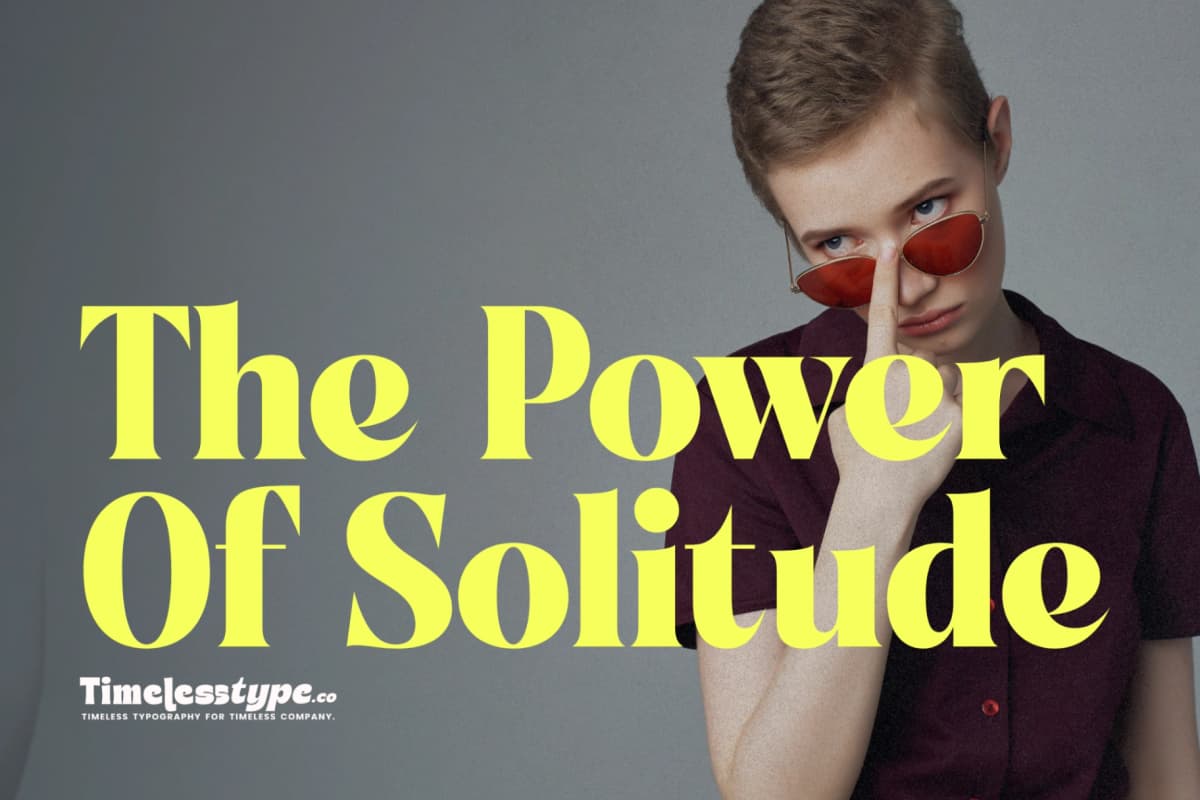
Table of Contents
- 1. The Lost Art of Being Alone
- 2. Solitude Heals the Mind
- Benefits of Solitude for Mental Health:
- 3. You Rediscover Who You Are
- 4. Solitude Restores Emotional Balance
- 5. The Difference Between Loneliness and Solitude
- 6. Creativity Thrives in Solitude
- Why Solitude Fuels Creativity:
- 7. Solitude Strengthens Relationships
- Solitude Teaches You:
- 8. How Solitude Builds Inner Strength
- 9. Nature: The Ultimate Teacher of Solitude
- 10. The Spiritual Power of Solitude
- 11. Overcoming the Fear of Being Alone
- 12. Practical Ways to Embrace Solitude
- Simple Practices:
- 13. When Solitude Becomes Isolation
- Signs You Need Balance:
- 14. What Happens When You Truly Embrace Solitude
- 15. Final Thought: Alone, But Never Lonely
The Power of Solitude: Why Being Alone Can Heal You
In a world that glorifies connection, constant communication, and endless noise, solitude has become misunderstood.
We often confuse being alone with being lonely — when, in truth, they are not the same.
Loneliness is the absence of others;
Solitude is the presence of yourself.
And in that presence — in those quiet, unhurried moments — something profound begins to happen: healing.
1. The Lost Art of Being Alone
Today’s world rewards busyness.
We fill every silence with screens, conversations, or distractions.
We scroll through other people’s lives instead of sitting still in our own.
But solitude is not isolation.
It’s an act of returning — to your thoughts, your feelings, your truth.
It’s choosing presence over performance.
“In order to understand the world, one has to turn away from it on occasion.” — Albert Camus
When you stop running from silence, you begin to hear yourself again.
2. Solitude Heals the Mind
Being alone allows your mind to rest from constant stimulation.
When you unplug from social demands, your brain shifts from reacting to reflecting — moving from noise to clarity.
Benefits of Solitude for Mental Health:
Reduces anxiety and sensory overload.
Improves focus, memory, and creativity.
Allows space to process emotions without distraction.
Helps you make intentional, not impulsive, decisions.
Your mind, like your body, needs stillness to recover.
Solitude is mental rest — not emptiness, but rebalancing.
3. You Rediscover Who You Are
When you’re constantly surrounded by others, it’s easy to absorb their expectations, opinions, and energy.
You start shaping your identity around what others want to see — not what you truly are.
Solitude gives you space to remove those layers.
It helps you ask the questions that matter:
What do I really want?
What makes me feel alive?
What am I holding onto that no longer serves me?
“You cannot hear your own voice until you stop listening to everyone else’s.”
Being alone reconnects you with your authentic self — the one that existed before the world told you who to be.
4. Solitude Restores Emotional Balance
When life feels chaotic, solitude acts as a reset button.
It helps you observe your emotions without reacting to them — a quiet space to feel without being overwhelmed.
In solitude, grief can soften, anger can dissolve, and clarity can emerge.
You begin to see patterns, understand triggers, and heal wounds that busyness often hides.
“In the silence of solitude, the soul finds its voice.”
Healing doesn’t always happen in conversations — sometimes it happens in stillness.
5. The Difference Between Loneliness and Solitude
It’s important to understand the distinction.
Loneliness is involuntary; it feels empty, disconnected, and painful.
Solitude is intentional; it feels peaceful, empowering, and full.
Loneliness says, “I am unwanted.”
Solitude says, “I am enough.”
When you learn to enjoy your own company, you transform aloneness into strength.
“Loneliness expresses the pain of being alone, and solitude expresses the glory of being alone.” — Paul Tillich
6. Creativity Thrives in Solitude
History’s greatest thinkers, writers, and artists often found inspiration in solitude.
Einstein, Thoreau, Virginia Woolf — all credited their breakthroughs to quiet reflection.
Solitude nurtures creativity because it allows your mind to wander freely.
Without noise or comparison, ideas have room to grow.
Why Solitude Fuels Creativity:
It gives your subconscious time to connect ideas.
It removes the pressure to perform.
It allows intuition and imagination to surface.
When you’re alone, your mind stops mimicking and starts imagining.
7. Solitude Strengthens Relationships
Ironically, spending time alone makes you better with others.
When you understand and accept yourself, you bring clarity and empathy into relationships.
You stop seeking validation and start offering genuine connection.
Solitude Teaches You:
You can enjoy company without dependency.
You can love others without losing yourself.
You can give freely because your emotional well is full.
Healthy relationships begin with two whole individuals — not two people trying to fill each other’s emptiness.
8. How Solitude Builds Inner Strength
When you learn to be comfortable in your own company, you develop quiet confidence.
You realize you don’t need constant approval or attention to feel complete.
You stop fearing rejection or silence because you’ve learned to find peace within.
“The best part about being alone is that you really don’t have to answer to anybody. You do what you want.” — Justin Timberlake
True independence doesn’t come from isolation — it comes from self-trust.
And solitude is where that trust is built.
9. Nature: The Ultimate Teacher of Solitude
One of the most healing forms of solitude happens in nature.
The sound of waves, rustling leaves, or a quiet sunrise reminds you that life doesn’t rush — it flows.
When you immerse yourself in natural solitude, your body syncs with a calmer rhythm.
Studies show that spending even 20 minutes alone in nature reduces cortisol (the stress hormone) and increases feelings of peace and gratitude.
Nature teaches presence — and presence is where healing begins.
10. The Spiritual Power of Solitude
Across cultures and centuries, solitude has been sacred.
Buddhists meditate in silence.
Monks retreat to monasteries.
Prophets seek stillness in the wilderness.
Because when you remove the noise of the world, you hear the whisper of the divine — or your inner wisdom, depending on your belief.
Solitude becomes not emptiness, but communion — a deeper conversation with life itself.
“In solitude, we find ourselves; in silence, we find God.” — Unknown
11. Overcoming the Fear of Being Alone
Many people avoid solitude because they associate it with emptiness or pain.
But often, what we fear isn’t solitude — it’s the truth it reveals.
Being alone forces you to confront your emotions, regrets, and vulnerabilities.
But those same truths are the keys to healing.
Start small — five minutes a day without distraction.
Gradually extend that time as you learn to sit with your thoughts.
Healing begins when you stop running from yourself.
12. Practical Ways to Embrace Solitude
You don’t need to disappear into the mountains to experience solitude.
You can create it in your everyday life — intentionally and peacefully.
Simple Practices:
Morning Silence: Start your day without screens — just breathe, stretch, or journal.
Solo Walks: Leave your headphones behind and observe the world around you.
Digital Detox: Schedule hours without notifications or social media.
Creative Solitude: Paint, write, or cook — activities that center your mind.
Mindful Reflection: Ask yourself, “What am I feeling right now?” — and listen without judgment.
Solitude is not about escaping life — it’s about engaging with it more deeply.
13. When Solitude Becomes Isolation
While solitude is healthy, excessive withdrawal can turn into loneliness or detachment.
Signs You Need Balance:
You avoid social interaction out of fear or exhaustion.
You feel disconnected rather than peaceful.
Solitude feels heavy instead of healing.
The goal isn’t to reject others — it’s to reconnect with yourself so you can connect better with them.
Healthy solitude balances introspection with engagement.
14. What Happens When You Truly Embrace Solitude
When you stop fearing solitude, you start experiencing its magic.
You think more clearly.
You feel more grounded.
You find joy in simple moments — a cup of tea, a quiet evening, a thought that brings peace.
Solitude teaches you that happiness doesn’t depend on external noise — it grows from internal harmony.
And once you’ve tasted that, you’ll never chase distractions the same way again.
15. Final Thought: Alone, But Never Lonely
Solitude is not an escape from life — it’s a return to it.
It’s where clarity is born, creativity blossoms, and healing begins.
When you make peace with being alone, you no longer fear silence — you cherish it.
You stop searching for happiness outside yourself and realize it’s been with you all along.
“The greatest thing in the world is to know how to belong to oneself.” — Michel de Montaigne
So, find moments of stillness.
Take a walk without your phone.
Sit quietly and listen to your thoughts.
Because somewhere in that quiet — between the breath and the heartbeat — you’ll find what you’ve been missing all along: yourself.
Related
Tags
Browse similar work by purpose and style.
.webp&w=1200&q=75)
.webp&w=1200&q=75)
.webp&w=1200&q=75)
.webp&w=1200&q=75)
.webp&w=1200&q=75)
.webp&w=1200&q=75)
.webp&w=1200&q=75)