


.jpg&w=256&q=75&dpl=dpl_Gc2H6qw5qz6tftmNLm7EMoaFVtW7)
.jpg&w=256&q=75&dpl=dpl_Gc2H6qw5qz6tftmNLm7EMoaFVtW7)
.webp&w=256&q=75&dpl=dpl_Gc2H6qw5qz6tftmNLm7EMoaFVtW7)
.webp&w=256&q=75&dpl=dpl_Gc2H6qw5qz6tftmNLm7EMoaFVtW7)



Business
The Future of Small Businesses: Innovation, Automation, and Opportunity
Insights, tutorials, and type notes from the Timeless Type studio.
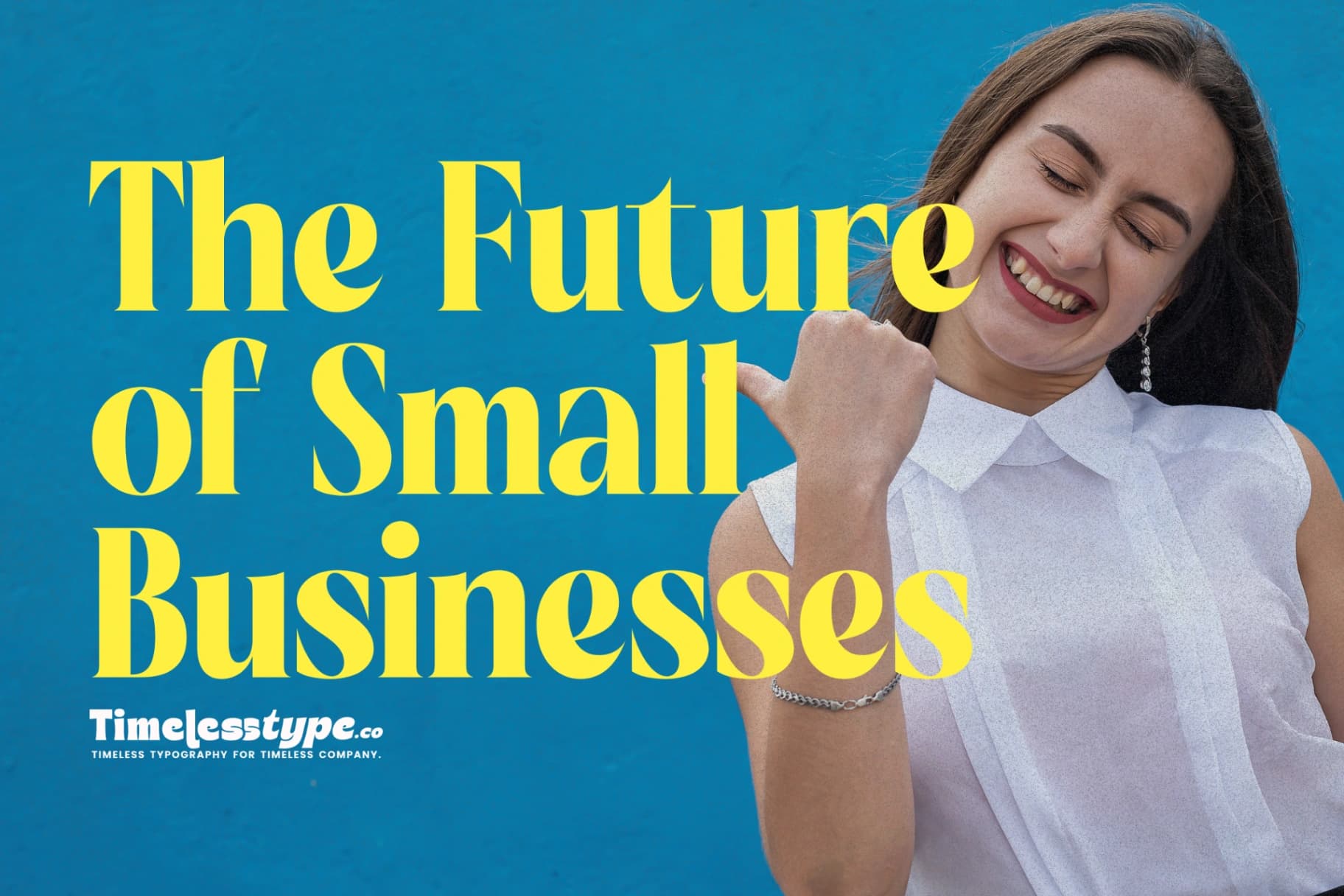
Table of Contents
- 1. The New Era of Entrepreneurship
- What’s changing:
- 2. Technology as the Great Equalizer
- Key technologies driving transformation:
- 3. The Rise of Automation for Small Businesses
- Common areas of automation:
- 4. Artificial Intelligence: The Small Business Game Changer
- Examples:
- 5. E-Commerce and the Digital Marketplace Boom
- Trends shaping the future:
- 6. The Power of Data-Driven Decision Making
- How data empowers growth:
- 7. Sustainable Business Practices: Profit with Purpose
- Sustainability matters because:
- 8. Remote Work and the Global Talent Advantage
- Benefits of hiring remotely:
- 9. Fintech: Unlocking Access to Capital
- New funding innovations:
- 10. The Subscription Economy
- Examples:
- 11. Personalization: Winning the Customer’s Heart
- Strategies for small businesses:
- 12. Cybersecurity: Protecting Digital Growth
- Basic protection steps:
- 13. The Role of Social Media and Community Building
- Best practices:
- 14. Collaboration and Partnerships
- 15. Upskilling: The Entrepreneur’s Edge
- Focus areas for 2025:
- 16. The Role of Automation in Scaling
- Tasks small businesses can automate:
- 17. Building Trust in the Digital Marketplace
- Build credibility by:
- 18. Government Support and Digital Inclusion
- Global initiatives:
- 19. The Human Element: Empathy and Purpose
- Keep humanity at the center:
- 20. The Future Outlook: Small Business, Big Impact
- The new formula for success:
The Future of Small Businesses: Innovation, Automation, and Opportunity
Small businesses have always been the heartbeat of the global economy.
They create jobs, fuel innovation, and connect communities in ways large corporations often can’t.
But in a rapidly changing world — powered by technology, automation, and shifting consumer expectations — small businesses are facing both their biggest challenges and their greatest opportunities.
The next decade won’t belong to the biggest players — it will belong to the most adaptable.
Here’s how small businesses can harness innovation and automation to thrive in the digital future.
1. The New Era of Entrepreneurship
The traditional model of small business — local customers, physical storefronts, word-of-mouth marketing — has evolved dramatically.
Today’s entrepreneurs operate in a borderless digital landscape, where anyone with an idea, a laptop, and a good strategy can build a global brand.
What’s changing:
Technology democratization: Cloud tools, e-commerce, and AI are affordable and accessible.
Consumer expectations: Customers now demand convenience, speed, and personalization.
Global reach: Even small startups can serve international audiences from day one.
The future of small business is not about scale — it’s about smart leverage.
2. Technology as the Great Equalizer
Technology has leveled the playing field between small businesses and industry giants.
Key technologies driving transformation:
Cloud computing: Affordable, scalable infrastructure for any business size.
E-commerce platforms: Shopify, WooCommerce, and others empower entrepreneurs to sell globally.
Fintech tools: Simplify accounting, payments, and funding access.
Social media: Free and direct access to millions of potential customers.
Technology no longer belongs only to corporations — it belongs to creators, dreamers, and small innovators.
3. The Rise of Automation for Small Businesses
Automation isn’t just for factories — it’s transforming small business operations.
Common areas of automation:
Customer service: AI chatbots providing 24/7 support.
Marketing: Automated email campaigns and social media scheduling.
Inventory management: Real-time tracking and smart restocking systems.
Finance: Automated invoicing, bookkeeping, and payroll tools.
By automating routine tasks, small businesses free up time to focus on what truly matters: strategy, creativity, and relationships.
4. Artificial Intelligence: The Small Business Game Changer
AI is no longer science fiction — it’s a strategic necessity.
From predictive analytics to personalized customer experiences, AI helps small businesses make data-driven decisions.
Examples:
Customer insights: AI analyzes buying patterns for better marketing.
Smart recommendations: Personalizes shopping experiences.
Operational forecasting: Predicts demand and optimizes supply.
Content creation: Tools like ChatGPT or Jasper streamline copywriting and ideation.
AI gives small businesses the ability to think big, act fast, and scale smart.
5. E-Commerce and the Digital Marketplace Boom
The COVID-19 pandemic accelerated digital adoption by nearly a decade.
Small businesses that once relied on physical locations have now embraced online-first models.
Trends shaping the future:
Omnichannel retail: Seamless experiences between online and offline shopping.
Mobile commerce: Consumers prefer shopping through smartphones.
Direct-to-consumer (D2C): Brands bypass intermediaries to connect directly with audiences.
Social selling: Platforms like TikTok, Instagram, and Facebook are becoming digital storefronts.
In 2025 and beyond, visibility equals viability — and the future storefront is in your pocket.
6. The Power of Data-Driven Decision Making
Data is the new business currency.
Small businesses now have access to insights once reserved for big corporations.
How data empowers growth:
Identify high-value customers.
Optimize pricing and product mix.
Improve marketing ROI with targeted campaigns.
Anticipate trends before competitors do.
Using tools like Google Analytics, HubSpot, or Power BI, even small enterprises can act with precision and foresight.
7. Sustainable Business Practices: Profit with Purpose
Modern consumers care about more than products — they care about values.
Sustainability matters because:
Customers are choosing eco-conscious brands.
Regulations are favoring green innovation.
Sustainable operations reduce long-term costs.
Small businesses can lead the charge by adopting:
Recyclable packaging.
Local sourcing.
Energy-efficient operations.
Carbon tracking tools.
In the future, success will belong to companies that are profitable, responsible, and regenerative.
8. Remote Work and the Global Talent Advantage
The workforce has gone digital — and that’s good news for small businesses.
Benefits of hiring remotely:
Access to global expertise without geographic limits.
Lower operational costs.
Increased employee satisfaction and retention.
Tools like Zoom, Slack, and Notion enable collaboration across borders.
The best teams are no longer in one city — they’re connected by purpose, not proximity.
9. Fintech: Unlocking Access to Capital
Access to funding is a constant challenge for small businesses — but fintech is changing that.
New funding innovations:
Crowdfunding: Platforms like Kickstarter or Indiegogo turn ideas into funded projects.
Peer-to-peer lending: Connects businesses directly with investors.
Digital banking: Streamlined loans and instant transactions.
Buy Now, Pay Later (BNPL): Helps businesses manage cash flow.
Fintech makes money faster, fairer, and more flexible for entrepreneurs worldwide.
10. The Subscription Economy
From Netflix to monthly coffee deliveries, subscriptions are changing how people buy.
Small businesses can use this model to create predictable revenue and deeper relationships.
Examples:
Subscription boxes (beauty, wellness, snacks).
Membership services (exclusive content or products).
Maintenance or delivery plans (software updates, refills).
Subscriptions aren’t just business models — they’re community builders.
11. Personalization: Winning the Customer’s Heart
In an age of endless choice, personalization is the secret to loyalty.
Strategies for small businesses:
Use CRM systems to tailor communication.
Personalize product recommendations.
Send thank-you notes or birthday offers.
Gather feedback and act on it.
Customers don’t just buy products — they buy experiences that feel personal.
12. Cybersecurity: Protecting Digital Growth
As businesses go online, threats evolve too.
Cybersecurity isn’t optional — it’s essential.
Basic protection steps:
Use strong passwords and two-factor authentication.
Regularly back up critical data.
Train employees to recognize phishing and scams.
Invest in security software and firewalls.
Trust is a small business’s greatest asset — and security keeps it safe.
13. The Role of Social Media and Community Building
Social media remains one of the most powerful — and cost-effective — tools for small business growth.
Best practices:
Focus on storytelling, not just selling.
Engage with your audience through comments and live sessions.
Collaborate with micro-influencers in your niche.
Use analytics to measure engagement and ROI.
Building community around your brand creates advocates, not just customers.
14. Collaboration and Partnerships
In the digital economy, competition is being replaced by collaboration.
Small businesses are partnering with:
Other local enterprises for bundled offers.
Creators or influencers for exposure.
Tech companies for smarter operations.
Partnerships expand reach, reduce costs, and create win-win ecosystems.
15. Upskilling: The Entrepreneur’s Edge
The digital world changes fast — and entrepreneurs must keep learning.
Focus areas for 2025:
Digital marketing and analytics.
AI tools and automation.
Financial management and investing.
Customer experience and leadership.
Investing in knowledge ensures your business grows as fast as technology evolves.
16. The Role of Automation in Scaling
Automation isn’t about replacing people — it’s about enhancing productivity.
Tasks small businesses can automate:
Lead generation and email nurturing.
Appointment booking and reminders.
Social media posting.
Accounting and reporting.
Automation transforms chaos into clarity, helping small teams achieve big results with less effort.
17. Building Trust in the Digital Marketplace
With so much competition online, trust is the ultimate currency.
Build credibility by:
Sharing authentic stories and customer reviews.
Maintaining transparency about pricing and policies.
Providing excellent after-sales service.
People don’t just buy from brands — they buy from brands they trust.
18. Government Support and Digital Inclusion
Governments worldwide are recognizing the importance of small businesses in driving innovation and employment.
Global initiatives:
Grants for digital transformation.
Tax incentives for green innovation.
Access-to-market programs for SMEs.
Entrepreneurs who embrace technology early will benefit from both policy support and market readiness.
19. The Human Element: Empathy and Purpose
Even in a tech-driven future, small businesses have one advantage big corporations can’t replicate — human touch.
Keep humanity at the center:
Understand your customers personally.
Value employees as people, not just resources.
Build community around shared values.
Technology amplifies efficiency; empathy builds loyalty and legacy.
20. The Future Outlook: Small Business, Big Impact
The future belongs to small businesses that combine innovation, automation, and authenticity.
The new formula for success:
Innovate: Adapt quickly to market needs.
Automate: Let systems handle routine work.
Connect: Build meaningful relationships with customers and partners.
Small businesses will shape the global economy not by scale, but by impact — creating solutions that are local, sustainable, and deeply human.
The tools are ready. The opportunities are everywhere.
All that’s left is to start — and build your future, one smart decision at a time.
Related
Tags
Browse similar work by purpose and style.
.webp&w=1920&q=75&dpl=dpl_Gc2H6qw5qz6tftmNLm7EMoaFVtW7)
.webp&w=1920&q=75&dpl=dpl_Gc2H6qw5qz6tftmNLm7EMoaFVtW7)
.webp&w=1920&q=75&dpl=dpl_Gc2H6qw5qz6tftmNLm7EMoaFVtW7)
.webp&w=1920&q=75&dpl=dpl_Gc2H6qw5qz6tftmNLm7EMoaFVtW7)
.webp&w=1920&q=75&dpl=dpl_Gc2H6qw5qz6tftmNLm7EMoaFVtW7)
.webp&w=1920&q=75&dpl=dpl_Gc2H6qw5qz6tftmNLm7EMoaFVtW7)
.webp&w=1920&q=75&dpl=dpl_Gc2H6qw5qz6tftmNLm7EMoaFVtW7)