


.jpg&w=256&q=75&dpl=dpl_Gc2H6qw5qz6tftmNLm7EMoaFVtW7)
.jpg&w=256&q=75&dpl=dpl_Gc2H6qw5qz6tftmNLm7EMoaFVtW7)
.webp&w=256&q=75&dpl=dpl_Gc2H6qw5qz6tftmNLm7EMoaFVtW7)
.webp&w=256&q=75&dpl=dpl_Gc2H6qw5qz6tftmNLm7EMoaFVtW7)



Business
The Future of Small Business: Innovation, Adaptation, and Growth
Insights, tutorials, and type notes from the Timeless Type studio.
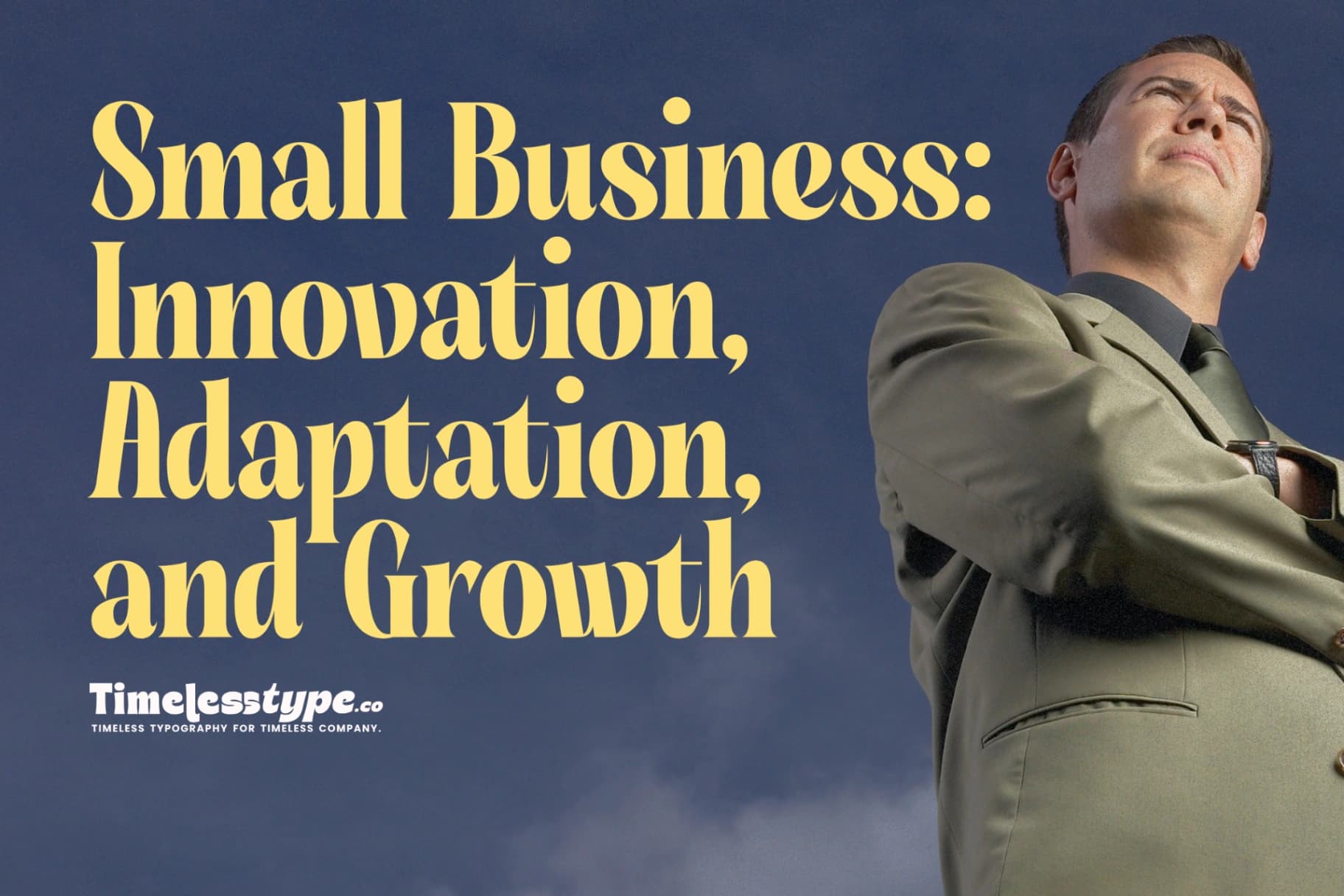
Table of Contents
- 1. The New Small Business Landscape
- Key trends shaping the future:
- 2. Technology as the Great Equalizer
- Game-changing technologies:
- 3. The Rise of Digital Entrepreneurship
- Why digital entrepreneurs are winning:
- 4. Personalization: The Secret to Customer Loyalty
- How to personalize effectively:
- 5. Sustainability as Strategy
- Sustainable practices for small businesses:
- 6. Data-Driven Decision Making
- Benefits of data insights:
- 7. The Human Touch in a Digital World
- To humanize your brand:
- 8. Embracing Automation Without Losing Soul
- Automate to improve, not replace:
- 9. Financing the Future: Access to Capital
- New financing opportunities:
- 10. Social Media and the Creator Economy
- Small businesses use it to:
- 11. The Remote Revolution: Talent Without Borders
- The benefits of global talent:
- 12. Customer Experience Is the New Currency
- Build unforgettable experiences:
- 13. Local Roots, Global Reach
- The winning formula:
- 14. Collaboration Over Competition
- Ways to collaborate:
- 15. Resilience Through Adaptation
- Build resilience by:
- 16. The Power of Purpose
- Purpose creates:
- 17. Upskilling: The Small Business Superpower
- Encourage lifelong learning:
- 18. The Importance of Agility
- Use it to:
- 19. The Role of Government and Policy
- Policies of the future:
- 20. Conclusion: Small Business, Big Future
The Future of Small Business: Innovation, Adaptation, and Growth
Small businesses have always been the backbone of the global economy — driving innovation, creating jobs, and fueling local communities.
But in 2025 and beyond, the business landscape is evolving faster than ever.
New technologies, changing consumer behavior, and global uncertainties are transforming how small enterprises operate and compete.
The future will belong to those who can adapt, innovate, and think digitally while staying true to their human core.
Here’s what the next era of small business looks like — and how entrepreneurs can grow smarter, not just bigger.
1. The New Small Business Landscape
The world has changed dramatically over the past decade.
The digital revolution, e-commerce boom, and flexible work culture have redefined what it means to run a business.
Key trends shaping the future:
Digital-first operations: Most small businesses now run primarily online.
Remote and hybrid work: Teams collaborate from anywhere.
Automation and AI: Streamlining operations and customer engagement.
Sustainability focus: Consumers demand ethical, eco-conscious brands.
Personalization: Customer experience is now the ultimate differentiator.
The modern entrepreneur must be both tech-savvy and human-centered, blending innovation with authenticity.
2. Technology as the Great Equalizer
Technology is no longer a luxury for large corporations — it’s the foundation of small business success.
In 2025, digital tools empower small enterprises to compete globally with agility and speed.
Game-changing technologies:
AI & automation: Simplify repetitive tasks like accounting, marketing, and support.
Cloud computing: Enables scalability and real-time collaboration.
Data analytics: Helps make smarter, data-driven decisions.
E-commerce platforms: Allow small brands to sell anywhere in the world.
Fintech solutions: Make payments, loans, and money management frictionless.
Technology levels the playing field — letting creativity and strategy, not size, define success.
“In the digital age, small businesses are not limited by geography — only by imagination.”
3. The Rise of Digital Entrepreneurship
The pandemic accelerated the rise of online entrepreneurship, and that momentum hasn’t slowed down.
From one-person online stores to niche consulting firms, small digital-first businesses are thriving.
Why digital entrepreneurs are winning:
Lower startup costs.
Global reach through social media and marketplaces.
Easy access to customers via digital marketing.
The ability to pivot quickly based on real-time insights.
In the future, the most successful small businesses won’t just exist online — they’ll live and grow online.
4. Personalization: The Secret to Customer Loyalty
In an era of endless choices, personalization is how small businesses stand out.
Consumers expect brands to understand their preferences, values, and habits.
How to personalize effectively:
Use customer data to tailor experiences and recommendations.
Send targeted emails based on purchase history.
Offer loyalty programs that reward engagement, not just spending.
Create authentic connections through storytelling.
Personalization builds trust — and trust builds repeat business.
5. Sustainability as Strategy
Sustainability is no longer a buzzword — it’s a business imperative.
Customers now align their wallets with their values, supporting companies that care about the planet and people.
Sustainable practices for small businesses:
Source ethically and reduce waste.
Use eco-friendly packaging.
Support community initiatives.
Offer transparency in production and pricing.
Sustainability isn’t just good ethics — it’s smart economics that drives loyalty and long-term growth.
6. Data-Driven Decision Making
Gone are the days of running a business purely on instinct.
Big data and analytics are now accessible to even the smallest companies.
Benefits of data insights:
Identify profitable customer segments.
Predict demand and optimize inventory.
Measure marketing ROI accurately.
Track trends before competitors do.
Affordable tools like Google Analytics, HubSpot, and Power BI make data intelligence possible for all.
In 2025, smart decisions come from smart data.
7. The Human Touch in a Digital World
As automation takes over routine tasks, the human element becomes more valuable.
Customers crave authenticity, empathy, and connection.
To humanize your brand:
Be transparent about your story and struggles.
Engage genuinely on social media — respond like a person, not a bot.
Offer outstanding customer service that goes beyond scripts.
Build community, not just clientele.
The future of small business success is high-tech, but deeply human.
8. Embracing Automation Without Losing Soul
Automation boosts efficiency, but small businesses must use it wisely.
Automate to improve, not replace:
Schedule content and marketing campaigns.
Use chatbots for basic queries, but maintain human backup.
Automate invoices, payments, and inventory management.
Automation saves time — which you can reinvest into innovation, strategy, and relationships.
Efficiency isn’t about doing more — it’s about doing what matters most.
9. Financing the Future: Access to Capital
Access to funding has historically been a barrier for small businesses — but Fintech is changing that.
New financing opportunities:
Crowdfunding platforms like Kickstarter or Indiegogo.
Peer-to-peer lending and microfinancing.
Digital banks offering faster, data-based approvals.
Government and ESG-backed grants for sustainability initiatives.
In 2025, funding innovation is easier — as long as entrepreneurs know how to leverage modern finance tools.
10. Social Media and the Creator Economy
Social media has evolved into more than a marketing platform — it’s now a business ecosystem.
Small businesses use it to:
Build brands through storytelling and education.
Collaborate with micro-influencers.
Sell directly via social commerce.
Create online communities around shared passions.
TikTok, Instagram, and YouTube aren’t just channels — they’re marketplaces of trust.
The future small business will be part brand, part creator, and part community builder.
11. The Remote Revolution: Talent Without Borders
In the digital era, your best employee might be halfway across the world.
The benefits of global talent:
Lower costs, higher diversity of ideas.
24/7 productivity through time zone collaboration.
Access to specialized skills unavailable locally.
Tools like Slack, Zoom, and Notion make seamless collaboration possible.
The smartest small businesses don’t just hire locally — they hire strategically.
12. Customer Experience Is the New Currency
Great products are no longer enough.
In 2025, what keeps customers loyal is how you make them feel.
Build unforgettable experiences:
Ensure every touchpoint — website, email, delivery — is frictionless.
Use technology to make customer support fast and friendly.
Surprise customers with small acts of appreciation.
A happy customer isn’t just a buyer — they’re your best marketer.
13. Local Roots, Global Reach
Technology allows small businesses to scale globally while keeping their local charm.
The winning formula:
Stay authentic to your community’s story.
Use e-commerce to reach global buyers.
Offer international shipping and multilingual support.
Build partnerships that extend your reach without losing identity.
Being local gives you heart.
Being digital gives you wings.
14. Collaboration Over Competition
The future of business isn’t about fighting for dominance — it’s about collaborating for growth.
Ways to collaborate:
Partner with complementary brands.
Co-create products or campaigns.
Share knowledge through industry networks.
Support local ecosystems through shared resources.
When small businesses unite, they become a collective force that drives economic resilience.
15. Resilience Through Adaptation
If there’s one thing recent years have taught entrepreneurs, it’s this: adapt or disappear.
Build resilience by:
Diversifying revenue streams.
Building digital contingency plans.
Investing in cyber and operational security.
Staying informed about global economic trends.
Resilient businesses don’t fear change — they thrive because of it.
16. The Power of Purpose
The future belongs to purpose-driven businesses — those that stand for more than profit.
Purpose creates:
Deeper customer loyalty.
Higher employee engagement.
Long-term sustainability.
When your mission aligns with your market, growth follows naturally.
Profit becomes a byproduct of impact.
17. Upskilling: The Small Business Superpower
Technology changes fast — and the best investment you can make is in knowledge.
Encourage lifelong learning:
Stay updated on digital tools and market trends.
Train employees in AI, data, and customer experience.
Learn about leadership, storytelling, and financial management.
A learning culture transforms small teams into innovation powerhouses.
18. The Importance of Agility
Small businesses have one unique advantage over big corporations — agility.
Use it to:
Test new ideas quickly.
Pivot in response to market shifts.
Build customer relationships faster.
In a world where speed and adaptability matter most, agility isn’t just a strength — it’s survival.
19. The Role of Government and Policy
As small businesses drive global recovery and innovation, governments play a vital role.
Policies of the future:
Digital infrastructure for rural areas.
Tax incentives for startups and green initiatives.
Easier access to global trade and funding.
Simplified compliance for digital operations.
Supportive ecosystems turn small business dreams into national growth engines.
20. Conclusion: Small Business, Big Future
The future of small business is bright — but it belongs to the bold.
To those who innovate fearlessly, adapt relentlessly, and lead with purpose.
Technology has erased barriers, giving entrepreneurs the tools to scale, connect, and create impact on a global stage.
But what will always set small businesses apart is their heart — the human spirit behind every product, story, and relationship.
In 2025 and beyond, success won’t come from size or speed alone.
It will come from vision, adaptability, and authenticity.
Because small businesses may be small in scale —
but they are limitless in potential.
Related
Tags
Browse similar work by purpose and style.
.webp&w=1920&q=75&dpl=dpl_Gc2H6qw5qz6tftmNLm7EMoaFVtW7)
.webp&w=1920&q=75&dpl=dpl_Gc2H6qw5qz6tftmNLm7EMoaFVtW7)
.webp&w=1920&q=75&dpl=dpl_Gc2H6qw5qz6tftmNLm7EMoaFVtW7)
.webp&w=1920&q=75&dpl=dpl_Gc2H6qw5qz6tftmNLm7EMoaFVtW7)
.webp&w=1920&q=75&dpl=dpl_Gc2H6qw5qz6tftmNLm7EMoaFVtW7)
.webp&w=1920&q=75&dpl=dpl_Gc2H6qw5qz6tftmNLm7EMoaFVtW7)
.webp&w=1920&q=75&dpl=dpl_Gc2H6qw5qz6tftmNLm7EMoaFVtW7)