


.jpg&w=256&q=75&dpl=dpl_Gc2H6qw5qz6tftmNLm7EMoaFVtW7)
.jpg&w=256&q=75&dpl=dpl_Gc2H6qw5qz6tftmNLm7EMoaFVtW7)
.webp&w=256&q=75&dpl=dpl_Gc2H6qw5qz6tftmNLm7EMoaFVtW7)
.webp&w=256&q=75&dpl=dpl_Gc2H6qw5qz6tftmNLm7EMoaFVtW7)



Technology
Technology Innovations That Are Redefining Human Interaction
Insights, tutorials, and type notes from the Timeless Type studio.
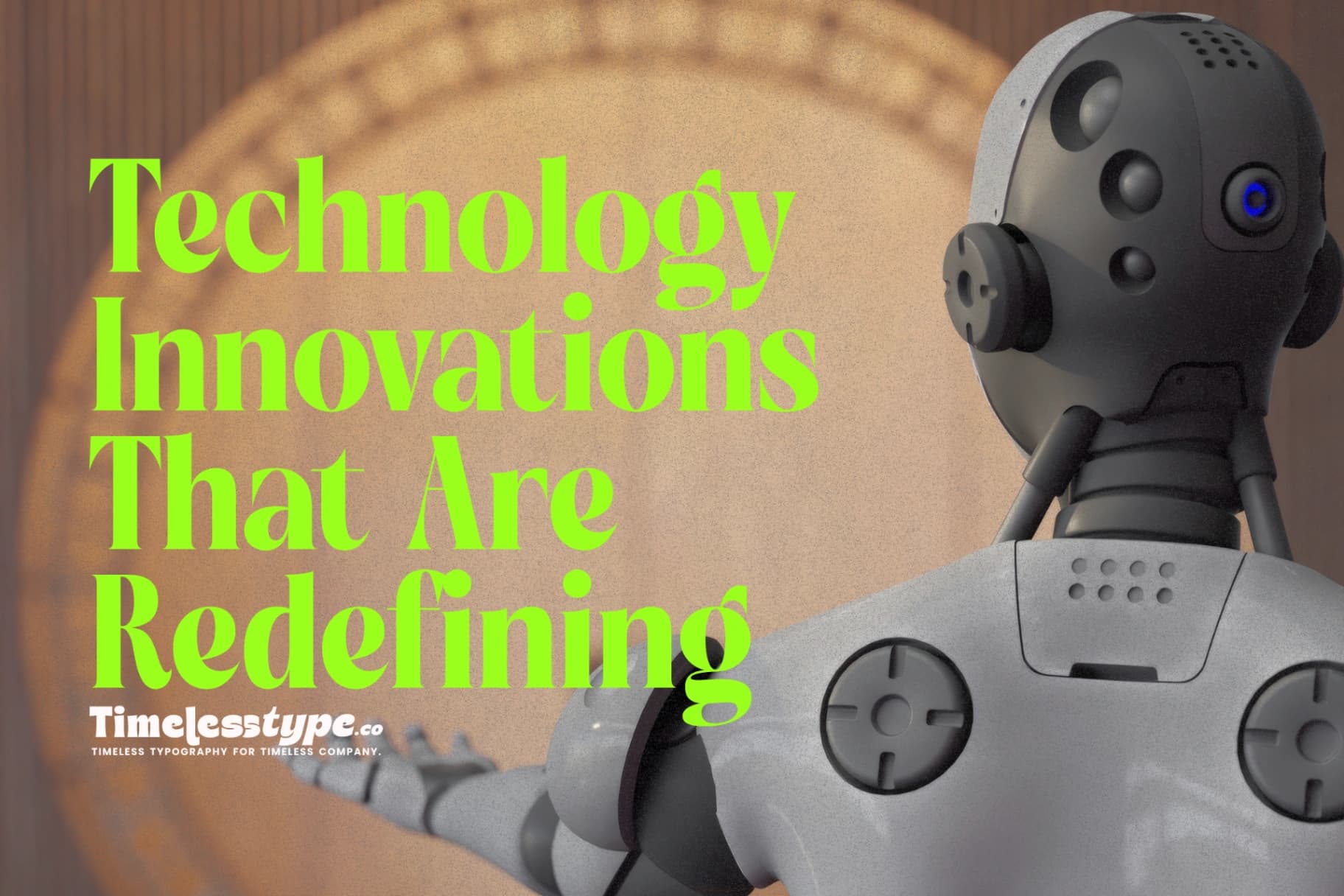
Table of Contents
- The Shift From Physical Presence to Digital Connection
- Social Media and the Transformation of Social Interaction
- Messaging Apps and the Rise of Instant Communication
- Artificial Intelligence as a Communication Partner
- Virtual and Augmented Reality Changing Social Experience
- Remote Work Technology Reshaping Professional Interaction
- Video Communication Redefining Face-to-Face Interaction
- Wearable Technology and Continuous Connectivity
- Smart Devices and Ambient Interaction
- Algorithms Influencing Human Connection
- Digital Communities Replacing Traditional Social Structures
- Emojis, GIFs, and Visual Language
- Dating Apps and Algorithmic Romance
- Mental Health Technology and Emotional Interaction
- The Decline of Attention in Interaction
- Technology and Emotional Expression
- Privacy, Surveillance, and Trust in Interaction
- Intergenerational Differences in Interaction
- The Hybrid Future of Human Interaction
- Ethical Questions Around Technology and Interaction
- Relearning Human Skills in a Digital World
- How Individuals Can Adapt Healthily
- How Society Can Respond Thoughtfully
- Final Thought: Technology Changes Interaction, But Humanity Defines Meaning
Technology Innovations That Are Redefining Human Interaction
Human interaction has always evolved alongside technology. From handwritten letters to phone calls, from emails to instant messaging, each technological shift has reshaped how people connect, communicate, and understand one another. Today, however, the pace of change is faster than ever. Technology is no longer just supporting interaction—it is actively redefining it.
Innovations such as artificial intelligence, social platforms, virtual environments, and smart devices are transforming how we form relationships, collaborate at work, express emotions, and even perceive human presence. While these changes bring unprecedented convenience and reach, they also introduce new challenges around authenticity, attention, and emotional depth.
This article explores the key technology innovations that are redefining human interaction and examines how they are reshaping connection in modern life.
The Shift From Physical Presence to Digital Connection
Historically, human interaction depended heavily on physical proximity. Today, technology has broken that limitation.
Digital tools now allow people to:
Communicate across continents instantly
Maintain relationships remotely
Collaborate without sharing physical space
This shift has expanded social and professional networks but has also changed the meaning of presence. Being “connected” no longer requires being physically together.
Presence is now defined by availability, responsiveness, and digital visibility.
Social Media and the Transformation of Social Interaction
Social media platforms have fundamentally altered how people interact.
They enable:
Instant sharing of thoughts and experiences
Public and private communication at scale
Continuous social feedback
However, they also encourage:
Curated identities
Performance-based interaction
Comparison-driven engagement
Human interaction has become more visible, measurable, and often more superficial. Likes, shares, and comments now influence self-perception and social validation.
Connection has become constant—but not always deeper.
Messaging Apps and the Rise of Instant Communication
Instant messaging has replaced many traditional forms of communication.
Benefits include:
Speed
Convenience
Low communication barriers
People can now interact in short, frequent bursts rather than long, intentional conversations.
While this increases efficiency, it can reduce depth and patience. Conversations are often fragmented, multitasked, and emotionally abbreviated.
Communication is faster—but attention is thinner.
Artificial Intelligence as a Communication Partner
Artificial intelligence is entering human interaction directly.
AI-powered systems:
Respond to messages
Assist conversations
Simulate empathy and understanding
People now interact with machines that feel conversational and responsive.
This raises important questions:
Can AI replace emotional support?
How does machine interaction affect human empathy?
AI changes not only how we communicate—but with whom.
Virtual and Augmented Reality Changing Social Experience
Virtual and augmented reality technologies are redefining shared experiences.
They allow people to:
Meet in virtual spaces
Attend events remotely
Experience environments together without physical presence
These technologies blur the line between digital and physical interaction.
As virtual spaces become more immersive, the concept of “being together” evolves beyond geography.
Remote Work Technology Reshaping Professional Interaction
Workplace interaction has changed dramatically.
Cloud tools, video conferencing, and collaboration platforms allow:
Distributed teams
Asynchronous communication
Flexible work arrangements
Professional interaction is now:
Less hierarchical
More documented
More outcome-focused
However, it can also feel less personal. Informal conversations and spontaneous connection are harder to replicate digitally.
Work relationships have become efficient—but sometimes emotionally distant.
Video Communication Redefining Face-to-Face Interaction
Video calls have become a standard form of interaction.
They offer:
Visual cues
Real-time communication
Human presence across distance
But they also introduce:
Fatigue
Self-awareness overload
Reduced non-verbal richness
Video interaction simulates presence—but does not fully replace it.
The brain processes video differently than real-life encounters.
Wearable Technology and Continuous Connectivity
Wearable devices track physical activity, health, and behavior.
They enable:
Real-time health monitoring
Data-driven self-awareness
Shared fitness and wellness experiences
Human interaction now includes shared data—steps, heart rates, sleep patterns.
This creates new forms of accountability and connection, but also raises concerns about privacy and self-surveillance.
Smart Devices and Ambient Interaction
Smart assistants and connected devices respond to voice, movement, and behavior.
Interaction with technology becomes:
Passive
Continuous
Embedded in daily life
Humans now interact with environments, not just screens.
This reduces friction but also normalizes constant monitoring and automation.
Interaction becomes ambient rather than intentional.
Algorithms Influencing Human Connection
Algorithms shape what people see, hear, and engage with.
They influence:
Social feeds
Content discovery
Relationship exposure
Human interaction is increasingly filtered by systems designed to maximize engagement.
This can:
Create echo chambers
Reinforce bias
Limit exposure to difference
Technology doesn’t just connect people—it shapes who they connect with.
Digital Communities Replacing Traditional Social Structures
Online communities have become central to identity and belonging.
People now find connection through:
Shared interests
Online forums
Digital subcultures
These communities offer support and belonging beyond geography.
However, they can also isolate individuals from local, offline relationships.
Belonging has become more flexible—but also more fragmented.
Emojis, GIFs, and Visual Language
Visual communication tools have become essential.
Emojis and GIFs:
Add emotional context
Replace tone in text-based communication
Simplify expression
They enhance clarity—but can also oversimplify complex emotions.
Language evolves to match speed and brevity.
Emotion becomes symbolic.
Dating Apps and Algorithmic Romance
Technology has transformed romantic interaction.
Dating apps:
Expand access to potential partners
Gamify attraction
Optimize matching
Romantic interaction becomes data-driven and choice-heavy.
While access increases, commitment and depth can become harder to sustain.
Abundance changes behavior.
Mental Health Technology and Emotional Interaction
Apps and platforms now support mental health interaction.
They offer:
Therapy access
Emotional tracking
Digital support systems
Technology mediates emotional care, increasing access but reducing human contact in some cases.
Support becomes scalable—but not always personal.
The Decline of Attention in Interaction
One of the most significant changes is reduced attention.
Technology encourages:
Multitasking
Constant notifications
Divided focus
Human interaction suffers when attention is fragmented.
Being present becomes a skill rather than a default.
Technology and Emotional Expression
People express emotions digitally more often than verbally.
Text, reactions, and posts become emotional outlets.
This lowers barriers—but also reduces nuance.
Emotion is shared widely—but sometimes shallowly.
Privacy, Surveillance, and Trust in Interaction
Technology reshapes trust.
Data collection and monitoring affect:
Personal boundaries
Transparency
Power dynamics
People interact knowing they may be recorded, analyzed, or tracked.
Trust now includes technological awareness.
Intergenerational Differences in Interaction
Different generations interact differently with technology.
This creates:
Communication gaps
Misunderstandings
Cultural friction
Human interaction now includes navigating technological fluency.
The Hybrid Future of Human Interaction
The future is not purely digital or physical.
It is hybrid.
Human interaction will combine:
Physical presence
Digital tools
Virtual environments
The challenge is integration—not replacement.
Ethical Questions Around Technology and Interaction
As technology mediates interaction, ethical concerns grow:
Authenticity
Manipulation
Dependency
Loss of human skills
Innovation must be balanced with responsibility.
Relearning Human Skills in a Digital World
Technology amplifies interaction—but cannot replace:
Empathy
Listening
Presence
Emotional intelligence
These skills become more valuable as technology increases.
Human interaction must be protected intentionally.
How Individuals Can Adapt Healthily
Healthy adaptation includes:
Setting boundaries
Practicing focused communication
Choosing depth over volume
Technology should serve interaction—not dominate it.
How Society Can Respond Thoughtfully
Societies must:
Promote digital literacy
Protect privacy
Encourage ethical design
Human connection should remain central—not secondary.
Final Thought: Technology Changes Interaction, But Humanity Defines Meaning
Technology innovations are redefining how humans interact—but they do not define why we connect.
Tools change. Needs remain.
Humans still seek:
Understanding
Belonging
Meaning
Connection
The challenge of this era is not rejecting technology—but using it consciously.
When technology supports empathy, clarity, and presence, it strengthens human interaction.
When it replaces awareness and intention, it weakens it.
The future of human interaction will not be decided by technology alone—but by how thoughtfully we choose to use it.
Related
Tags
Browse similar work by purpose and style.
.webp&w=1920&q=75&dpl=dpl_Gc2H6qw5qz6tftmNLm7EMoaFVtW7)
.webp&w=1920&q=75&dpl=dpl_Gc2H6qw5qz6tftmNLm7EMoaFVtW7)
.webp&w=1920&q=75&dpl=dpl_Gc2H6qw5qz6tftmNLm7EMoaFVtW7)
.webp&w=1920&q=75&dpl=dpl_Gc2H6qw5qz6tftmNLm7EMoaFVtW7)
.webp&w=1920&q=75&dpl=dpl_Gc2H6qw5qz6tftmNLm7EMoaFVtW7)
.webp&w=1920&q=75&dpl=dpl_Gc2H6qw5qz6tftmNLm7EMoaFVtW7)
.webp&w=1920&q=75&dpl=dpl_Gc2H6qw5qz6tftmNLm7EMoaFVtW7)
.webp&w=1920&q=75&dpl=dpl_Gc2H6qw5qz6tftmNLm7EMoaFVtW7)