


.jpg&w=256&q=75&dpl=dpl_Gc2H6qw5qz6tftmNLm7EMoaFVtW7)
.jpg&w=256&q=75&dpl=dpl_Gc2H6qw5qz6tftmNLm7EMoaFVtW7)
.webp&w=256&q=75&dpl=dpl_Gc2H6qw5qz6tftmNLm7EMoaFVtW7)
.webp&w=256&q=75&dpl=dpl_Gc2H6qw5qz6tftmNLm7EMoaFVtW7)



Lifestyle
Slow Living: Redefining Success and Happiness in Modern Times
Insights, tutorials, and type notes from the Timeless Type studio.
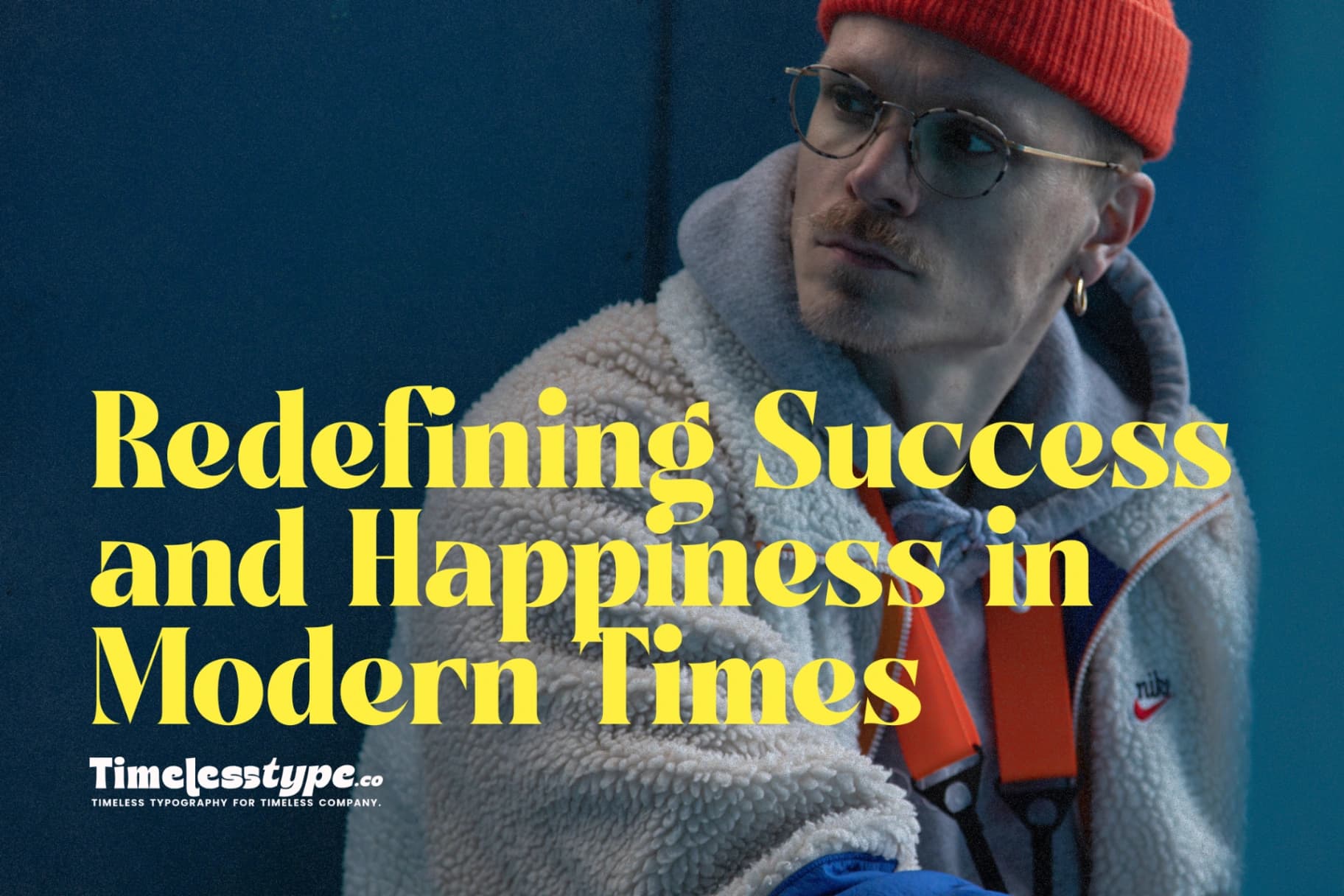
Table of Contents
- 1. What Is Slow Living?
- Core principles:
- 2. The Problem with the Fast Life
- The result?
- 3. The Origins of the Slow Living Movement
- 4. Redefining Success
- 5. The Joy of Doing Less
- 6. Mindfulness: The Heart of Slow Living
- Practice mindfulness by:
- 7. Declutter Your Space, Declutter Your Mind
- Start small:
- 8. Disconnect to Reconnect
- Try:
- 9. The Power of Saying “No”
- 10. The Beauty of Routine and Rhythm
- Examples:
- 11. Reconnecting with Nature
- Try to:
- 12. Conscious Consumption
- Practice conscious consumption:
- 13. Slow Food, Slow Moments
- Ways to practice:
- 14. Simplify Your Work Life
- At work:
- 15. Reconnect with People — Deeply
- 16. The Courage to Be Bored
- 17. Slow Travel: Experience, Don’t Escape
- Principles of slow travel:
- 18. Gratitude: The Anchor of Happiness
- Daily gratitude practice:
- 19. Overcoming the Fear of Slowing Down
- 20. The Future of Slow Living
- The future belongs to:
- Conclusion: Living Life in Full Color, Not Fast Forward
Slow Living: Redefining Success and Happiness in Modern Times
We live in an age of acceleration.
Fast communication, fast consumption, fast results — everything is designed for speed.
But in the constant race to do more, have more, and be more, we’ve lost the ability to simply be.
Enter slow living — a quiet revolution against the chaos of modern life.
It’s not about laziness or minimal ambition; it’s about living intentionally, savoring moments, and defining success on your own terms.
Here’s how the philosophy of slow living can help you rediscover balance, clarity, and joy in an age that glorifies hustle.
1. What Is Slow Living?
Slow living is the art of doing less, but living more deeply.
It’s about quality over quantity — time over things — presence over productivity.
It means consciously choosing what adds meaning to your life, and letting go of what doesn’t.
Core principles:
Mindfulness: Being fully present in each moment.
Simplicity: Reducing clutter — both physical and mental.
Intention: Living according to your values, not societal pressure.
Connection: Valuing people and nature over possessions and status.
In essence, slow living invites you to trade busyness for balance and noise for nourishment.
2. The Problem with the Fast Life
Modern culture celebrates speed, efficiency, and constant achievement.
We measure success by how much we accomplish, how busy we are, or how many notifications we receive.
The result?
Burnout disguised as productivity.
Anxiety from endless comparison.
Disconnection from ourselves and others.
We’re living faster but not necessarily better.
Slow living challenges this narrative by asking:
“What’s the point of running so fast if you don’t know where you’re going?”
3. The Origins of the Slow Living Movement
The slow living movement began as a response to fast food culture in the 1980s.
Italian journalist Carlo Petrini started the Slow Food Movement — advocating for local, sustainable, and mindful eating.
The philosophy expanded beyond food into lifestyle — evolving into slow living.
Today, it represents a conscious rebellion against overconsumption and overwork.
It’s not about rejecting progress — it’s about redefining it.
4. Redefining Success
Society tells us that success equals status, money, and constant achievement.
Slow living offers a gentler, truer definition:
Success is alignment between how you live and what you value.
It’s about satisfaction, not speed.
Balance, not burnout.
Purpose, not performance.
When you slow down, success becomes personal, not comparative.
5. The Joy of Doing Less
Busyness often masquerades as importance.
We fill our schedules to feel valuable — but in doing so, we lose time for reflection and creativity.
Slow living isn’t about being idle — it’s about being intentional.
When you do fewer things, you can do them well — with focus, care, and purpose.
As the saying goes:
“You can do anything, but not everything.”
6. Mindfulness: The Heart of Slow Living
Slow living begins with awareness.
It’s the shift from rushing through life to experiencing it fully.
Practice mindfulness by:
Paying attention to your breath.
Eating slowly, noticing textures and flavors.
Listening deeply in conversations.
Walking without headphones, just observing the world.
Mindfulness reconnects you to the present moment — where life actually happens.
7. Declutter Your Space, Declutter Your Mind
Physical clutter drains mental energy.
A messy space creates noise in your mind, making calm and focus harder to find.
Start small:
Tidy one drawer, one shelf, or one corner at a time.
Keep only what adds beauty or function.
Organize your digital life — delete unused apps, emails, and files.
Minimalism and slow living overlap — both value space as luxury.
Because peace often lives where clutter does not.
8. Disconnect to Reconnect
Technology is both a gift and a trap.
While it connects us globally, it also keeps us perpetually distracted.
Slow living calls for digital mindfulness — using technology as a tool, not a tether.
Try:
No-phone mornings or evenings.
Social media breaks.
Turning off notifications.
Setting screen-free zones at home.
Disconnection isn’t isolation — it’s reconnection to what matters offline.
9. The Power of Saying “No”
Saying “yes” to everything dilutes your energy.
Slow living empowers you to say “no” — without guilt.
When you say no to things that don’t align, you say yes to what truly matters — rest, relationships, and self-care.
Boundaries protect your time, your energy, and your peace.
And peace is the ultimate luxury of modern life.
10. The Beauty of Routine and Rhythm
Fast living thrives on chaos.
Slow living finds peace in ritual and rhythm.
Examples:
A quiet morning routine with tea or journaling.
Evening walks after work.
Weekly digital detox days.
Monthly check-ins with yourself.
Routines bring stability in a world that moves too fast — turning ordinary moments into anchors of calm.
11. Reconnecting with Nature
Nature has its own pace — slow, steady, cyclical.
When you align with it, you naturally slow down.
Try to:
Spend time outdoors daily — even briefly.
Grow plants or garden.
Notice the seasons changing.
Nature reminds us that growth doesn’t happen in haste — it happens in seasons.
12. Conscious Consumption
Modern society equates happiness with having more.
But true contentment often comes from needing less.
Practice conscious consumption:
Buy fewer but better things.
Support sustainable, ethical brands.
Focus on experiences over possessions.
The less you consume for validation, the more you experience contentment from within.
13. Slow Food, Slow Moments
Eating is one of life’s most sacred daily rituals — yet we often rush through it.
Slow food means savoring — not just flavors, but the experience of nourishment.
Ways to practice:
Cook at home more often.
Eat without distractions.
Share meals with loved ones.
Food tastes better when shared slowly — because joy is best served unhurried.
14. Simplify Your Work Life
You don’t have to hustle 24/7 to be successful.
Slow living redefines productivity — from doing more to doing what matters most.
At work:
Focus on deep work, not busy work.
Take mindful breaks.
Protect your evenings from work emails.
Set achievable daily goals.
Sustainable productivity is quality-driven, not speed-driven.
15. Reconnect with People — Deeply
We live in an age of constant communication but shallow connection.
Slow living invites us to listen more, speak less, and engage fully.
When you give people your full attention — without screens or distraction — relationships deepen.
And in the end, connection is the greatest measure of a meaningful life.
16. The Courage to Be Bored
In fast-paced culture, boredom is seen as failure.
But boredom is space for creativity.
When you stop filling every spare moment with scrolling or noise, your mind begins to wander — and wandering minds discover new ideas.
Allow stillness.
It’s not emptiness — it’s possibility.
17. Slow Travel: Experience, Don’t Escape
Travel in the age of Instagram often means rushing from one destination to another for photos.
Slow travel brings back meaning — experiencing cultures, not just consuming them.
Principles of slow travel:
Spend more time in fewer places.
Support local businesses and traditions.
Travel with curiosity, not checklist pressure.
Slow travel transforms vacation into connection and perspective.
18. Gratitude: The Anchor of Happiness
When life slows down, gratitude becomes clearer.
You start noticing the small things — a warm meal, laughter, quiet mornings.
Daily gratitude practice:
Write down three things you’re thankful for.
Share appreciation with others.
Reflect on moments that made you smile.
Gratitude shifts focus from what’s missing to what’s meaningful — turning ordinary days into extraordinary gifts.
19. Overcoming the Fear of Slowing Down
For many, slowing down feels uncomfortable — even scary.
We fear being left behind, forgotten, or seen as unambitious.
But slowing down doesn’t mean stepping back — it means stepping consciously.
You can live slowly and still be driven.
You can be calm and still be successful.
The key is doing things with presence, not pressure.
20. The Future of Slow Living
The slow living movement is no longer niche — it’s becoming essential.
In a world of burnout and overconsumption, balance is the new wealth.
The future belongs to:
People who value depth over distraction.
Businesses that prioritize sustainability over speed.
Societies that reward well-being over exhaustion.
Slow living isn’t about rejecting modern life — it’s about living it better.
Conclusion: Living Life in Full Color, Not Fast Forward
Slow living isn’t a trend — it’s a return to truth.
It’s choosing presence over pressure, peace over perfection, and meaning over metrics.
When you slow down, you don’t fall behind — you finally catch up to yourself.
So breathe deeply.
Simplify your space.
Be intentional with your time.
Because life isn’t meant to be a race — it’s meant to be lived, savored, and felt.
Related
Tags
Browse similar work by purpose and style.
.webp&w=1920&q=75&dpl=dpl_Gc2H6qw5qz6tftmNLm7EMoaFVtW7)
.webp&w=1920&q=75&dpl=dpl_Gc2H6qw5qz6tftmNLm7EMoaFVtW7)
.webp&w=1920&q=75&dpl=dpl_Gc2H6qw5qz6tftmNLm7EMoaFVtW7)
.webp&w=1920&q=75&dpl=dpl_Gc2H6qw5qz6tftmNLm7EMoaFVtW7)
.webp&w=1920&q=75&dpl=dpl_Gc2H6qw5qz6tftmNLm7EMoaFVtW7)
.webp&w=1920&q=75&dpl=dpl_Gc2H6qw5qz6tftmNLm7EMoaFVtW7)
.webp&w=1920&q=75&dpl=dpl_Gc2H6qw5qz6tftmNLm7EMoaFVtW7)
.webp&w=1920&q=75&dpl=dpl_Gc2H6qw5qz6tftmNLm7EMoaFVtW7)