
Lifestyle
Fitness as a Lifestyle: Building Consistency Beyond Motivation
Insights, tutorials, and type notes from the Timeless Type studio.
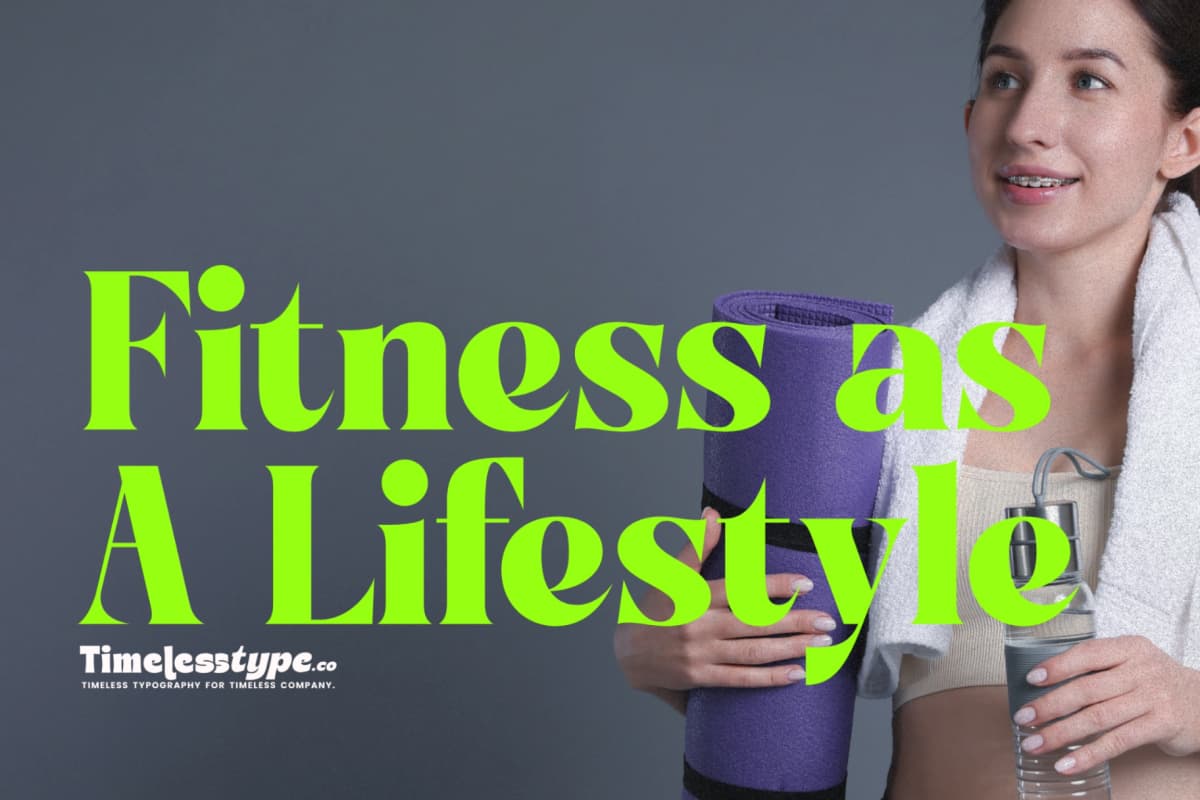
Table of Contents
- Introduction: When Motivation Fades, Discipline Takes Over
- 1. Why Motivation Alone Will Never Be Enough
- The Science of Motivation
- 2. From Goals to Habits: How Consistency is Built
- Example:
- The Habit Loop
- 3. Shift Your Mindset: From Quick Results to Long-Term Identity
- Try This:
- 4. Make Movement Enjoyable Again
- How to Find Your Groove
- 5. The Power of Routine: Build Non-Negotiable Systems
- Create a Fitness System
- 6. Nutrition: The Other Half of Consistency
- Sustainable Nutrition Principles:
- 7. Rest and Recovery: The Hidden Strength Builders
- Why Rest Matters:
- Action Steps:
- 8. Track Progress — But Beyond the Scale
- Measure These Instead:
- 9. Accountability: Don’t Walk the Path Alone
- Ways to Build Accountability
- 10. Mindset of Growth, Not Perfection
- Replace Guilt with Grace
- 11. Make Fitness a Lifestyle, Not a Phase
- Ways to Make It a Lifestyle
- 12. Fitness and Mental Health: The Deeper Connection
- Proven Mental Benefits of Regular Exercise:
- 13. The Role of Technology in Building Consistency
- Top Fitness Tools for 2025
- 14. Balance: Fitness Should Add to Life, Not Take From It
- Balance Means:
- 15. The Philosophy of Lifelong Fitness
- Conclusion: Fall in Love with the Process
Fitness as a Lifestyle: Building Consistency Beyond Motivation
Introduction: When Motivation Fades, Discipline Takes Over
Everyone feels motivated at the beginning.
You buy new shoes, make playlists, plan workouts — and for the first few weeks, you feel unstoppable.
But then life happens. Work gets busy. Sleep gets short. Energy disappears.
Motivation fades — that’s natural.
But if you want real, lasting change, you need something stronger: consistency.
Fitness isn’t a 30-day challenge. It’s a lifestyle choice — a commitment to your health, discipline, and growth for the long run.
This article breaks down how to build that consistency — not through hype, but through sustainable habits that make fitness part of who you are.
1. Why Motivation Alone Will Never Be Enough
Motivation is like a spark — it starts the fire, but it won’t keep it burning.
On hard days, motivation will tell you to rest.
Discipline will tell you to show up anyway.
The Science of Motivation
Motivation is emotion-driven. It spikes after achievements or new experiences but drops once routine sets in.
That’s why relying solely on motivation leads to inconsistency.
What you need instead is a system — a structure that supports your goals even when your feelings don’t.
“You will never always be motivated. You have to learn to be disciplined.”
2. From Goals to Habits: How Consistency is Built
Consistency is born when you stop chasing goals and start building habits.
Goals give direction; habits give momentum.
Example:
Goal: Lose 10 kg in 3 months.
Habit: Exercise for 45 minutes, 4 times per week.
Once the habit is automatic, results follow naturally.
Small, repeated actions > intense, unsustainable effort.
The Habit Loop
Cue: A trigger that reminds you to act (e.g., putting gym clothes out at night).
Routine: The action (e.g., workout).
Reward: The result (e.g., post-workout energy or satisfaction).
Repeat this enough times, and fitness becomes as natural as brushing your teeth.
3. Shift Your Mindset: From Quick Results to Long-Term Identity
Stop thinking like a short-term dieter.
Start thinking like a healthy person.
When you shift identity, actions follow naturally.
You no longer say, “I need to work out,” but “I’m the kind of person who moves daily.”
This identity-driven mindset transforms fitness from obligation into habit.
“Motivation gets you started. Habit keeps you going. Identity makes it effortless.”
Try This:
Instead of: “I want abs.”
Say: “I want to live like someone who respects their body.”
Instead of: “I need to lose weight.”
Say: “I want to feel strong and capable every day.”
4. Make Movement Enjoyable Again
If your workouts feel like punishment, you’ll never stick with them.
The key to long-term consistency is to find joy in movement.
How to Find Your Groove
Try different types of fitness: strength training, yoga, running, dance, cycling, calisthenics.
Focus on what makes you feel good, not just what burns calories.
Set “process goals,” like mastering a pull-up or improving your mile time.
Mix routine with variety — keep structure, but allow flexibility.
When fitness is fun, consistency follows naturally.
5. The Power of Routine: Build Non-Negotiable Systems
Willpower is unreliable. Systems aren’t.
You can’t rely on “feeling like it.” You need rituals that remove decision fatigue.
Create a Fitness System
Schedule workouts in your calendar like meetings.
Set triggers — e.g., coffee = pre-workout signal.
Pack gym clothes the night before.
Prepare meals for the week ahead.
Consistency is built in the micro-decisions you automate.
💡 Pro Tip:
Treat your workouts as appointments with yourself — non-negotiable, self-respecting time.
6. Nutrition: The Other Half of Consistency
You can’t out-train a poor diet.
Nutrition is 70% of the lifestyle equation — it fuels progress, recovery, and energy.
Sustainable Nutrition Principles:
Eat real, minimally processed foods.
Prioritize protein and fiber for satiety.
Stay hydrated — water before coffee.
Practice the 80/20 rule: 80% whole foods, 20% enjoyment.
Avoid extreme diets; aim for balance.
Healthy eating isn’t restriction — it’s respecting your body enough to nourish it properly.
“Fitness starts in the gym, but results are made in the kitchen.”
7. Rest and Recovery: The Hidden Strength Builders
Many people equate fitness with constant effort.
But the truth is: you grow when you rest.
Why Rest Matters:
Muscles repair and grow during recovery.
Sleep regulates hormones like cortisol and leptin.
Mental recovery prevents burnout.
Action Steps:
Sleep 7–9 hours per night.
Take rest days seriously — active recovery like walking, stretching, or yoga.
Listen to your body: rest is productive.
Consistency doesn’t mean pushing daily; it means balancing effort with recovery.
8. Track Progress — But Beyond the Scale
The number on the scale is only one story.
True fitness is about how you feel, move, and live.
Measure These Instead:
Strength improvements (more reps, heavier lifts).
Endurance (longer runs, better stamina).
Energy levels throughout the day.
Mood, confidence, and mental clarity.
Consistency streaks (e.g., 10, 30, 100 days of movement).
Progress is not linear — but it is always happening if you stay consistent.
“What gets measured gets improved — but what gets celebrated gets repeated.”
9. Accountability: Don’t Walk the Path Alone
Even the most disciplined people need support.
Accountability turns fitness from a solo struggle into a shared success.
Ways to Build Accountability
Workout buddy: Partner who trains with you.
Trainer or coach: Keeps you focused and safe.
Online communities: Apps like Strava, Fitbod, or Reddit Fitness.
Social accountability: Share milestones publicly or privately.
Support builds momentum — and momentum builds consistency.
10. Mindset of Growth, Not Perfection
Perfection is the enemy of consistency.
You will miss workouts. You will eat pizza. You will have lazy days.
That’s fine. What matters is what you do next.
Replace Guilt with Grace
Missed a day? Don’t quit — reset tomorrow.
Overate? Drink water, move, and move on.
Lost motivation? Revisit your “why.”
Fitness is not a straight line — it’s a cycle of falling and returning stronger.
“Consistency beats perfection. Every. Single. Time.”
11. Make Fitness a Lifestyle, Not a Phase
Lifestyle means integration.
You no longer “start” or “stop” being fit — it becomes part of your identity, just like eating, sleeping, or working.
Ways to Make It a Lifestyle
Walk more instead of always driving.
Use stairs instead of elevators.
Choose active vacations.
Keep workout gear visible.
Move daily — even if it’s just stretching.
You don’t need to be extreme — just consistent.
12. Fitness and Mental Health: The Deeper Connection
Exercise isn’t just about the body — it’s medicine for the mind.
Proven Mental Benefits of Regular Exercise:
Boosts serotonin and dopamine (natural mood stabilizers).
Reduces anxiety and depression symptoms.
Increases focus and mental clarity.
Builds self-esteem through achievement.
Fitness becomes more meaningful when you see it not as punishment, but as therapy in motion.
“Exercise is not a chore. It’s a celebration of what your body can do.”
13. The Role of Technology in Building Consistency
Technology can be your greatest ally — if used right.
Top Fitness Tools for 2025
Smartwatches (Garmin, Fitbit, Apple Watch): Track activity, heart rate, and sleep.
AI Fitness Apps (Freeletics, Fitbod, Future): Personalized training plans.
Habit Tracking Apps (Notion, Habitica, Streaks): Build consistency through streaks.
Nutrition Trackers (MyFitnessPal, Cronometer): Monitor macros mindfully.
💡 Tip: Don’t obsess over data — use it as feedback, not validation.
14. Balance: Fitness Should Add to Life, Not Take From It
True fitness enhances your life — it doesn’t control it.
If your routine makes you miserable, exhausted, or socially isolated, it’s not sustainable.
Balance Means:
Skipping a workout for family time sometimes — and being okay with it.
Allowing flexibility without losing discipline.
Treating health as a long game, not a quick fix.
Fitness is freedom — not punishment.
15. The Philosophy of Lifelong Fitness
Fitness as a lifestyle isn’t about chasing youth or aesthetics — it’s about longevity and vitality.
You train today to move freely tomorrow.
To play with your kids, climb mountains, or simply walk without pain at 70.
Think beyond “fit body.”
Think “fit life.”
“Don’t work out because you hate your body. Work out because you love it enough to take care of it.”
Conclusion: Fall in Love with the Process
Motivation will come and go — that’s human.
But consistency, built through discipline, identity, and purpose, will stay.
Make movement sacred.
Make health non-negotiable.
Make fitness your lifestyle — not for the mirror, but for the life you’re building.
Because when you stop chasing motivation and start living with consistency, you don’t just get stronger — you become unstoppable.
“It’s not about being the best. It’s about being better than you were yesterday.”
Related
Tags
Browse similar work by purpose and style.
.webp&w=1200&q=75)
.webp&w=1200&q=75)
.webp&w=1200&q=75)
.webp&w=1200&q=75)
.webp&w=1200&q=75)
.webp&w=1200&q=75)
.webp&w=1200&q=75)