


.jpg&w=256&q=75&dpl=dpl_Gc2H6qw5qz6tftmNLm7EMoaFVtW7)
.jpg&w=256&q=75&dpl=dpl_Gc2H6qw5qz6tftmNLm7EMoaFVtW7)
.webp&w=256&q=75&dpl=dpl_Gc2H6qw5qz6tftmNLm7EMoaFVtW7)
.webp&w=256&q=75&dpl=dpl_Gc2H6qw5qz6tftmNLm7EMoaFVtW7)



Finance
Fintech Revolution 2025: How Technology Is Changing Personal Finance
Insights, tutorials, and type notes from the Timeless Type studio.
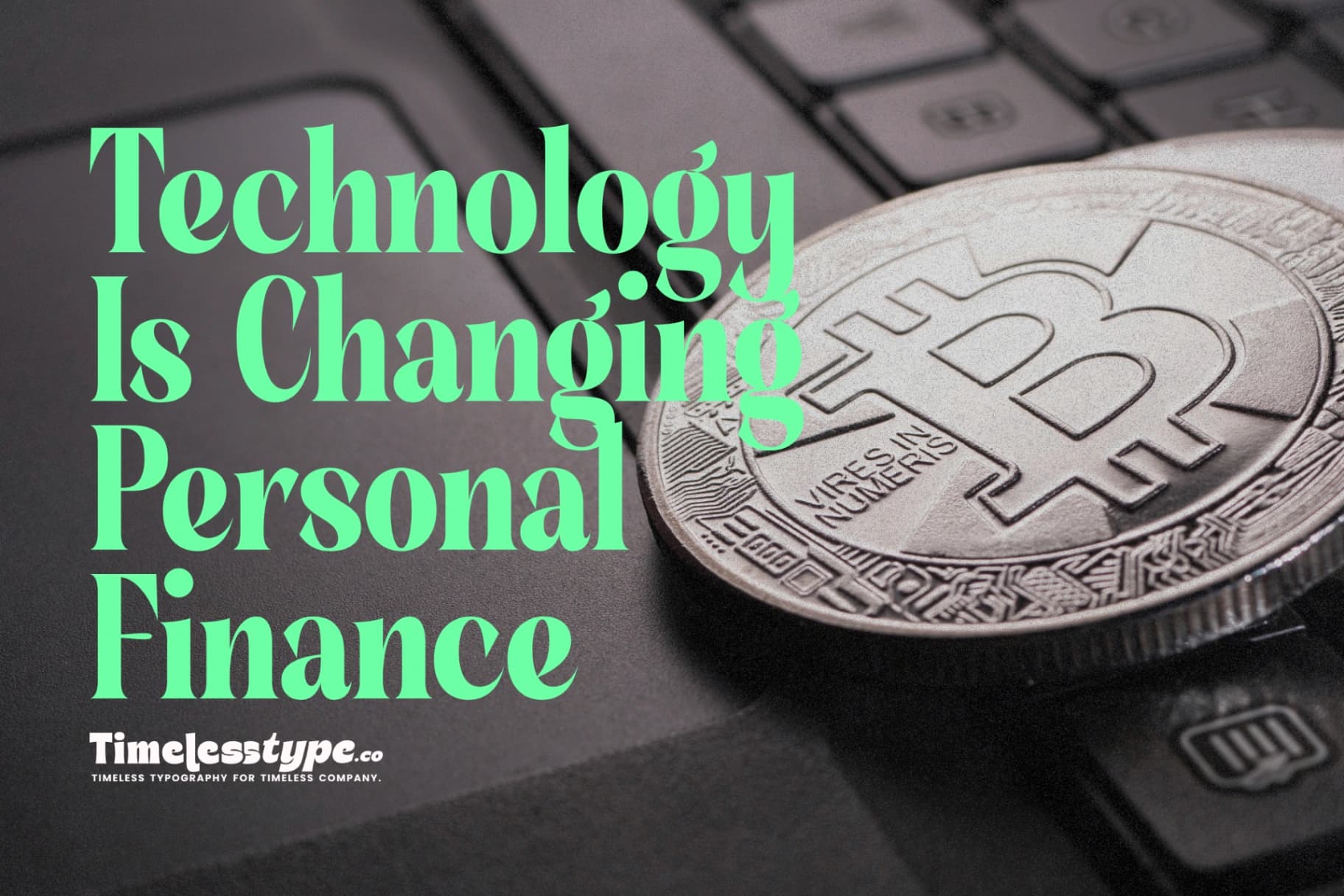
Table of Contents
- 1. What Is Fintech — and Why It Matters
- Fintech has revolutionized:
- 2. The State of Fintech in 2025
- Major forces fueling this growth:
- 3. Mobile Banking: Banking Without Borders
- Key developments:
- 4. The Rise of Digital Payments
- Trends shaping payments:
- 5. Artificial Intelligence: The Smart Money Manager
- How AI empowers personal finance:
- 6. Robo-Advisors and Automated Investing
- Robo-advisors use algorithms to:
- 7. Decentralized Finance (DeFi): A Financial Revolution
- Core features:
- 8. Blockchain Beyond Crypto
- Blockchain in fintech:
- 9. Open Banking: The Era of Financial Transparency
- Benefits:
- 10. The New Age of Credit and Lending
- Innovations include:
- 11. Financial Inclusion: Banking the Unbanked
- How:
- 12. Personal Finance Apps: Empowering Everyday Users
- Common features:
- 13. The Future of Insurance: Insurtech Innovation
- Insurtech trends:
- 14. Cybersecurity and Digital Trust
- Key measures:
- 15. The Human Touch in a Digital World
- How:
- 16. The Role of Regulation and Compliance
- Regulatory focuses:
- 17. Fintech and Sustainability
- Examples:
- 18. The Global Fintech Hubs
- Fintech leaders:
- 19. The Challenges Ahead
- Key challenges:
- 20. Conclusion: The Future of Personal Finance Is Empowerment
Fintech Revolution 2025: How Technology Is Changing Personal Finance
Money management isn’t what it used to be.
The days of waiting in bank lines, writing checks, or manually tracking expenses are fading fast.
In 2025, finance is personal, portable, and powered by technology.
This is the era of fintech — where finance meets innovation to transform how people save, spend, invest, and secure their futures.
The fintech revolution is not just changing the way we handle money — it’s redefining financial freedom itself.
Here’s how technology is reshaping personal finance and creating opportunities for everyone, everywhere.
1. What Is Fintech — and Why It Matters
Fintech (short for financial technology) refers to digital tools, platforms, and innovations that improve financial services.
From mobile banking apps to blockchain networks, fintech is about making money management faster, smarter, and more accessible.
Fintech has revolutionized:
Banking: 24/7 access to accounts and instant transfers.
Investing: Robo-advisors and trading apps democratizing wealth creation.
Payments: Digital wallets, contactless cards, and QR payments simplifying transactions.
Credit: AI-driven lending replacing traditional bureaucracy.
In short, fintech gives you control, convenience, and customization — things traditional banking often lacked.
2. The State of Fintech in 2025
Fintech is no longer an emerging industry — it’s a global ecosystem.
By 2025, it’s projected to surpass $300 billion in market value, driven by innovation in AI, blockchain, and open banking.
Major forces fueling this growth:
Digital-first lifestyles: More people manage money entirely online.
AI-powered personalization: Financial advice tailored in real time.
Decentralized finance (DeFi): Peer-to-peer systems challenging banks.
Financial inclusion: Mobile banking reaching unbanked populations globally.
Fintech is not just the future — it’s the financial infrastructure of the present.
3. Mobile Banking: Banking Without Borders
Smartphones have become the new bank branches.
From remote villages to global metropolises, mobile banking apps let users save, transfer, and invest without stepping inside a physical bank.
Key developments:
Instant digital onboarding — open accounts in minutes.
24/7 access to statements, transfers, and support.
AI chatbots providing real-time assistance.
Neobanks (digital-only banks) like Revolut, Monzo, and Chime offering fee-free services.
Mobile banking has turned convenience into expectation — and given millions of people financial access for the first time.
4. The Rise of Digital Payments
Cash is no longer king — contactless is.
Trends shaping payments:
QR codes and NFC technology for instant transactions.
Peer-to-peer (P2P) platforms like Venmo, Zelle, and GoPay revolutionizing transfers.
Buy Now, Pay Later (BNPL) systems reshaping consumer credit.
Super apps (like WeChat Pay and Grab) combining banking, shopping, and lifestyle.
Digital payments make commerce frictionless — and cross-border payments seamless.
By 2025, more than 80% of global transactions will be digital.
5. Artificial Intelligence: The Smart Money Manager
AI is the invisible force behind fintech’s transformation.
How AI empowers personal finance:
Expense categorization and analysis via smart apps.
Fraud detection through real-time behavioral analytics.
Chatbots and voice assistants for instant support.
Personalized budgeting tools recommending how to save or invest.
AI-driven fintech platforms act like personal financial advisors — only faster, cheaper, and available 24/7.
In 2025, your phone doesn’t just hold your money — it manages it intelligently.
6. Robo-Advisors and Automated Investing
Once upon a time, investing was exclusive — you needed a broker, a big balance, and a bigger risk appetite.
Now, anyone with a smartphone can invest in minutes.
Robo-advisors use algorithms to:
Create personalized investment portfolios.
Rebalance automatically based on market changes.
Reduce costs compared to human advisors.
Platforms like Betterment, Stash, Bibit, and Syfe make investing as simple as saving.
They’ve democratized wealth-building — giving everyone access to tools once reserved for the elite.
7. Decentralized Finance (DeFi): A Financial Revolution
DeFi is one of fintech’s most disruptive innovations — financial systems built on blockchain technology that remove intermediaries like banks.
Core features:
Smart contracts replacing traditional agreements.
Cryptocurrency lending and borrowing without banks.
Tokenized assets representing stocks, property, or even art.
Stablecoins bridging crypto and fiat currency.
DeFi offers transparency, speed, and autonomy — but it also comes with risks.
As regulation matures, DeFi could redefine trust, ownership, and global capital flow.
8. Blockchain Beyond Crypto
While most people associate blockchain with cryptocurrency, its real power lies in trustless, transparent record-keeping.
Blockchain in fintech:
Secure identity verification.
Instant, traceable cross-border payments.
Smart contracts automating business processes.
Asset tokenization enabling fractional ownership.
This technology makes fraud harder and trust easier — a perfect fit for modern finance.
Blockchain isn’t the future of money — it’s the future of trust.
9. Open Banking: The Era of Financial Transparency
Open banking allows customers to share financial data securely with third-party apps and services — giving them control and choice like never before.
Benefits:
Aggregated dashboards showing all your accounts in one place.
Tailored recommendations for loans, savings, or investments.
Seamless integration with fintech apps and budgeting tools.
By 2025, open banking will be the backbone of financial ecosystems — empowering users to own their data and shape their financial journeys.
10. The New Age of Credit and Lending
Fintech is transforming how credit works — replacing paperwork and waiting times with speed and accuracy.
Innovations include:
AI-driven credit scoring: Assessing applicants beyond traditional criteria.
Peer-to-peer lending platforms: Connecting borrowers directly to investors.
Microloans and embedded finance: Extending credit through apps and e-commerce.
This democratization of lending gives individuals and small businesses the financial tools to grow — especially in emerging economies.
11. Financial Inclusion: Banking the Unbanked
More than 1.4 billion people worldwide remain unbanked — cut off from formal finance.
Fintech is changing that.
How:
Mobile wallets replacing bank accounts.
Biometric ID systems enabling secure access.
Micro-savings and micro-insurance for low-income users.
Affordable remittance platforms for migrant workers.
Fintech isn’t just innovation — it’s inclusion.
It’s giving people control over their money for the first time in history.
12. Personal Finance Apps: Empowering Everyday Users
Fintech has made money management not only accessible — but engaging.
Apps like Mint, Spendee, and Gojek Finance turn tracking and budgeting into empowering habits.
Common features:
Expense categorization and insights.
Bill reminders and automated savings.
Visual dashboards for goal tracking.
Financial literacy no longer requires formal education — it just requires a download.
13. The Future of Insurance: Insurtech Innovation
Insurance, once viewed as complex and bureaucratic, is becoming digital, flexible, and personalized.
Insurtech trends:
AI-driven risk analysis for faster approvals.
Usage-based insurance for cars and devices.
Blockchain-powered claims processing to eliminate fraud.
On-demand microinsurance for short-term needs.
By 2025, insurance will feel less like paperwork — and more like protection that adapts to your lifestyle.
14. Cybersecurity and Digital Trust
As digital finance grows, so does the need for security.
Trust is the currency of fintech — and cybersecurity is the vault that protects it.
Key measures:
Biometric authentication and two-factor verification.
AI-powered fraud detection.
End-to-end encryption for data privacy.
Consumer education on digital hygiene.
Without trust, innovation fails.
Fintech leaders are investing heavily in security to ensure that convenience doesn’t come at the cost of confidence.
15. The Human Touch in a Digital World
Even with automation and AI, people still crave human connection.
The fintech revolution isn’t replacing human interaction — it’s enhancing it.
How:
Personalized recommendations powered by AI.
Hybrid advisory models combining digital and human expertise.
Community-driven investment platforms and social finance apps.
Technology handles efficiency; humans provide empathy.
The future of finance lies in the balance between intelligence and intuition.
16. The Role of Regulation and Compliance
As fintech grows, governments and regulators are racing to keep pace.
Regulatory focuses:
Consumer protection.
Data privacy (GDPR, PDPA, etc.).
Cryptocurrency and digital asset oversight.
Cross-border payment frameworks.
A well-regulated fintech landscape ensures stability, security, and trust — creating a win-win for both innovators and investors.
17. Fintech and Sustainability
The future of finance isn’t just digital — it’s sustainable.
Fintech companies are integrating environmental, social, and governance (ESG) principles into their models.
Examples:
Green finance apps helping users track their carbon footprint.
Investment platforms offering impact portfolios.
Digital payment firms supporting paperless economies.
Money is no longer neutral — it’s a tool for positive change.
18. The Global Fintech Hubs
Innovation is happening everywhere, but certain cities are leading the charge.
Fintech leaders:
Singapore: A global hub for digital banking and financial inclusion.
London: Home to hundreds of fintech startups and regulatory innovation.
San Francisco: Epicenter of blockchain and payment innovation.
Jakarta and Nairobi: Champions of mobile finance and inclusion.
Dubai: Building the Middle East’s fintech future through smart regulation.
Fintech’s beauty lies in its borderless potential — innovation thrives where opportunity meets technology.
19. The Challenges Ahead
Despite its success, fintech faces obstacles that must be addressed to ensure sustainable growth.
Key challenges:
Cybercrime: As digital money grows, so does digital theft.
Overregulation vs. underregulation: Striking balance is crucial.
Financial literacy: Technology can’t replace knowledge.
Digital divide: Ensuring access for all communities.
The next phase of fintech isn’t just about faster systems — it’s about fairer systems.
20. Conclusion: The Future of Personal Finance Is Empowerment
The fintech revolution has made money more human — accessible, transparent, and empowering.
Technology is giving individuals the tools once reserved for bankers, brokers, and corporations.
It’s not just changing how we transact — it’s changing how we think about wealth, security, and freedom.
By 2025 and beyond, fintech will continue to evolve — integrating AI, blockchain, and innovation to make finance smarter and more inclusive.
But at its core, fintech isn’t about apps or algorithms — it’s about people.
It’s about building a world where everyone has the power to understand, grow, and manage their money — consciously and confidently.
The future of finance is here —
and it’s in your hands.
Related
Tags
Browse similar work by purpose and style.
.webp&w=1920&q=75&dpl=dpl_Gc2H6qw5qz6tftmNLm7EMoaFVtW7)
.webp&w=1920&q=75&dpl=dpl_Gc2H6qw5qz6tftmNLm7EMoaFVtW7)
.webp&w=1920&q=75&dpl=dpl_Gc2H6qw5qz6tftmNLm7EMoaFVtW7)
.webp&w=1920&q=75&dpl=dpl_Gc2H6qw5qz6tftmNLm7EMoaFVtW7)
.webp&w=1920&q=75&dpl=dpl_Gc2H6qw5qz6tftmNLm7EMoaFVtW7)
.webp&w=1920&q=75&dpl=dpl_Gc2H6qw5qz6tftmNLm7EMoaFVtW7)
.webp&w=1920&q=75&dpl=dpl_Gc2H6qw5qz6tftmNLm7EMoaFVtW7)
.webp&w=1920&q=75&dpl=dpl_Gc2H6qw5qz6tftmNLm7EMoaFVtW7)