


.jpg&w=256&q=75&dpl=dpl_Gc2H6qw5qz6tftmNLm7EMoaFVtW7)
.jpg&w=256&q=75&dpl=dpl_Gc2H6qw5qz6tftmNLm7EMoaFVtW7)
.webp&w=256&q=75&dpl=dpl_Gc2H6qw5qz6tftmNLm7EMoaFVtW7)
.webp&w=256&q=75&dpl=dpl_Gc2H6qw5qz6tftmNLm7EMoaFVtW7)



Business
Customer Experience Is the New Currency: How to Keep Clients for Life
Insights, tutorials, and type notes from the Timeless Type studio.
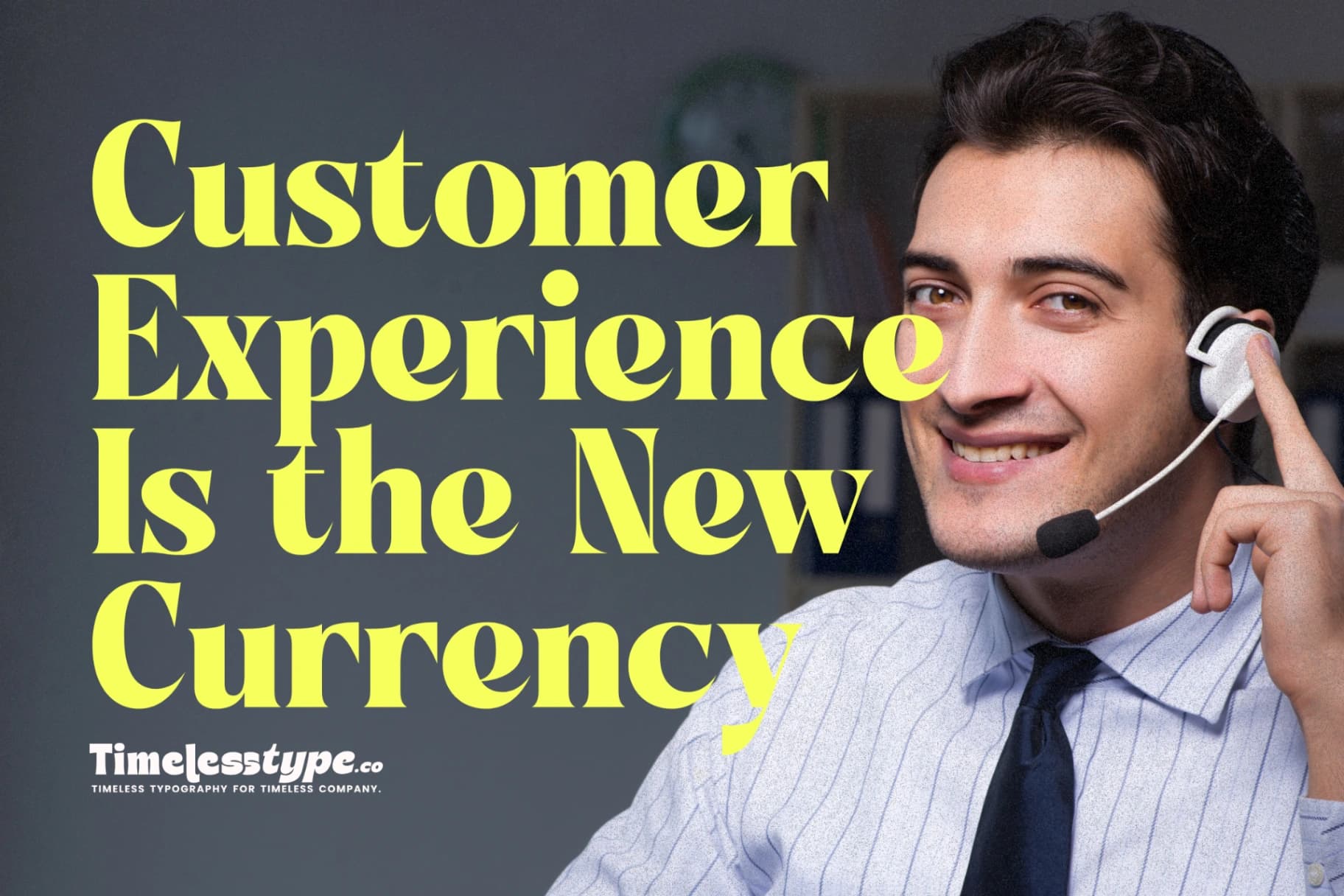
Table of Contents
- 1. Why Customer Experience Matters More Than Ever
- The numbers speak loudly:
- 2. The Shift from Transaction to Relationship
- Transactional mindset:
- Relational mindset:
- 3. Understanding the Modern Customer
- 4. Map the Customer Journey
- Stages of a typical customer journey:
- 5. Personalization Is the New Standard
- How to personalize effectively:
- 6. Empower Your Frontline Teams
- To build great experiences:
- 7. Technology + Humanity = CX Excellence
- Balance technology with empathy:
- 8. The Role of Data in Creating Exceptional CX
- Smart data use helps you:
- 9. Omnichannel Experience: Be Everywhere, Seamlessly
- Keys to omnichannel success:
- 10. Proactive Service: Anticipate, Don’t Just React
- Examples:
- 11. Feedback Is Gold — Listen and Act
- Ways to collect feedback:
- But the real secret?
- 12. Build Emotional Loyalty, Not Transactional
- To build emotional loyalty:
- 13. Consistency Builds Trust
- Deliver consistency by:
- 14. The Power of Storytelling in Experience Design
- Use storytelling to:
- 15. Create Moments of Delight
- Examples:
- 16. Empower Customers Through Self-Service
- Benefits:
- 17. Crisis Management: Protecting Trust When Things Go Wrong
- Golden rules:
- 18. Measure What Matters
- Key CX metrics:
- 19. The Future of Customer Experience: Predictive, Personalized, Human
- 20. Conclusion: Experience Is the Real ROI
Customer Experience Is the New Currency: How to Keep Clients for Life
Once upon a time, companies competed on price and product quality.
Today, the real battlefield is experience.
In an era where customers have endless options and attention spans are short, the businesses that thrive aren’t necessarily the biggest — they’re the ones that make people feel valued, understood, and connected.
Customer experience (CX) has become the new currency of success.
It’s how brands earn trust, loyalty, and lifelong relationships — the most valuable assets in a world where trends shift overnight.
Here’s how to master customer experience and turn your clients into fans for life.
1. Why Customer Experience Matters More Than Ever
We live in the experience economy — people no longer buy just products or services; they buy how those products make them feel.
The numbers speak loudly:
86% of consumers are willing to pay more for better experiences.
73% say experience is a key factor in purchasing decisions.
Loyal customers are 5x more likely to repurchase and 4x more likely to refer others.
CX is no longer a department — it’s a business philosophy.
Every interaction, from a website click to a customer support email, builds your brand’s reputation.
When you deliver excellence consistently, customers stop comparing you to competitors — they compare you to their best experience ever.
2. The Shift from Transaction to Relationship
In the past, businesses focused on transactions — one sale at a time.
Today, the winners are the ones who focus on relationships — one connection at a time.
Transactional mindset:
“How do we close this sale?”
Relational mindset:
“How do we earn this customer’s trust for life?”
When customers feel seen and cared for, they become more than buyers — they become advocates.
It’s not about selling more, but serving better.
3. Understanding the Modern Customer
Modern customers are empowered, informed, and emotional.
They expect:
Speed (instant gratification).
Personalization (tailored experiences).
Transparency (honesty and consistency).
Humanity (authentic connection).
In the digital era, loyalty is fragile — one bad experience can lose a client forever.
Understanding your customer’s journey and emotions at every touchpoint is the key to keeping them close.
4. Map the Customer Journey
Customer experience begins long before the purchase — and continues long after.
Stages of a typical customer journey:
Awareness: They discover your brand.
Consideration: They research and compare.
Purchase: They decide to buy.
Onboarding: They start using your product/service.
Loyalty: They become repeat customers.
Advocacy: They recommend you to others.
Mapping this journey helps you identify pain points, improve consistency, and deliver delight at every stage.
It’s not about perfecting one moment — it’s about connecting them all.
5. Personalization Is the New Standard
The era of one-size-fits-all is over.
Customers expect experiences that feel personal, relevant, and human.
How to personalize effectively:
Use customer data to understand preferences and habits.
Segment your audience for targeted communication.
Address clients by name and tailor recommendations.
Send thoughtful follow-ups based on behavior.
Brands like Netflix, Spotify, and Amazon have set the bar high — now every customer expects that same level of personalization, everywhere.
Personalization says:
“We know you. We understand you. You matter to us.”
6. Empower Your Frontline Teams
Your employees are your experience ambassadors.
They are the voice and face of your brand — and customers will remember how they felt in every interaction.
To build great experiences:
Train your team in empathy, listening, and communication.
Give them authority to solve problems creatively.
Recognize and reward employees who deliver exceptional service.
When your people feel valued, they make customers feel valued.
Internal culture drives external experience.
7. Technology + Humanity = CX Excellence
Automation, chatbots, and AI can streamline service — but human warmth keeps it meaningful.
Balance technology with empathy:
Use AI for speed and accuracy.
Use humans for emotion and connection.
Ensure automation enhances, not replaces, human touch.
For example:
Chatbots can answer simple questions.
Humans can handle complex or emotional situations.
Technology creates efficiency; empathy creates loyalty.
8. The Role of Data in Creating Exceptional CX
Data is the foundation of personalization and predictive service.
Smart data use helps you:
Anticipate customer needs before they arise.
Spot early signs of dissatisfaction.
Measure loyalty through feedback and Net Promoter Scores (NPS).
Identify trends for innovation and improvement.
But data is only powerful when paired with insight and action.
The goal isn’t to know everything — it’s to understand what truly matters.
9. Omnichannel Experience: Be Everywhere, Seamlessly
Customers don’t think in channels — they just want consistency.
Whether they connect through email, phone, chat, or social media, the experience should feel unified.
Keys to omnichannel success:
Synchronize customer data across all platforms.
Maintain tone and service quality everywhere.
Make switching channels effortless — start on one, finish on another.
An omnichannel approach ensures your brand is cohesive, not fragmented.
It shows customers you’re paying attention — no matter how they reach you.
10. Proactive Service: Anticipate, Don’t Just React
The best service is predictive, not reactive.
Instead of waiting for problems, great brands anticipate them — and act first.
Examples:
Airlines send alerts before flight delays.
E-commerce stores notify about shipping updates.
SaaS companies warn customers about potential billing issues.
Proactivity communicates care, foresight, and professionalism.
When customers know you’re one step ahead, trust deepens.
11. Feedback Is Gold — Listen and Act
Customer feedback isn’t criticism — it’s insight.
It shows you where you shine and where you can grow.
Ways to collect feedback:
Surveys and NPS scores.
Online reviews and social listening.
Customer interviews or focus groups.
But the real secret?
Act on it.
When customers see their feedback leading to improvement, they feel heard, respected, and valued.
Listening is good.
Responding is better.
Changing is transformational.
12. Build Emotional Loyalty, Not Transactional
Transactional loyalty is about discounts and convenience.
Emotional loyalty is about trust, alignment, and belonging.
To build emotional loyalty:
Share your brand’s story and values authentically.
Support causes your audience cares about.
Be transparent, even when things go wrong.
Celebrate your customers, not just your milestones.
When customers feel emotionally connected, they stay — not because they have to, but because they want to.
13. Consistency Builds Trust
Every great experience depends on one simple principle: consistency.
No matter the platform, product, or person — your brand should feel the same.
Deliver consistency by:
Documenting clear brand guidelines.
Training all teams with the same customer philosophy.
Reviewing customer touchpoints regularly.
Consistency breeds reliability.
Reliability builds trust.
And trust is the ultimate currency of loyalty.
14. The Power of Storytelling in Experience Design
Stories connect logic and emotion — the two pillars of great CX.
Use storytelling to:
Humanize your brand.
Share customer success stories.
Explain complex services in relatable ways.
Reinforce your values and purpose.
A well-told story doesn’t just sell a product — it creates an experience that stays in the heart.
15. Create Moments of Delight
Small, unexpected gestures make a big impact.
They transform ordinary experiences into memorable ones.
Examples:
A handwritten thank-you note.
A surprise discount for loyal customers.
Remembering personal milestones like birthdays or anniversaries.
Delight doesn’t always require big budgets — just attention to detail and genuine care.
16. Empower Customers Through Self-Service
Modern customers value independence as much as assistance.
Self-service options like FAQs, chatbots, and knowledge bases enhance satisfaction — if designed well.
Benefits:
Saves time for customers and staff.
Reduces friction for simple queries.
Gives customers control over their journey.
The best experience is when customers can help themselves and still feel supported.
17. Crisis Management: Protecting Trust When Things Go Wrong
Even the best companies make mistakes.
What matters most is how you respond.
Golden rules:
Acknowledge the issue immediately.
Apologize sincerely.
Provide solutions, not excuses.
Follow up to ensure resolution.
A well-handled problem can increase loyalty more than a flawless transaction.
Customers don’t expect perfection — they expect accountability.
18. Measure What Matters
You can’t improve what you don’t measure.
Use data to track and optimize your customer experience.
Key CX metrics:
Net Promoter Score (NPS): Measures loyalty and advocacy.
Customer Satisfaction (CSAT): Tracks short-term satisfaction.
Customer Lifetime Value (CLV): Indicates profitability per customer.
Churn rate: Monitors customer retention.
Numbers tell a story — use them to fine-tune experiences, not just report them.
19. The Future of Customer Experience: Predictive, Personalized, Human
By 2025, customer experience will be defined by three forces:
Predictive technology: AI anticipating needs.
Hyper-personalization: Real-time customization of products and content.
Authentic humanity: Genuine empathy in digital interactions.
The brands that blend technology and empathy will lead the future — because they’ll deliver experiences that feel personal, intelligent, and human all at once.
20. Conclusion: Experience Is the Real ROI
In a noisy, competitive world, price can be matched and products can be copied —
but experience cannot.
Customer experience is the new currency of business growth.
It turns satisfaction into loyalty, and loyalty into advocacy.
When customers feel valued, they stay. When they stay, they spend more.
And when they love your brand, they tell the world.
Invest in experience — not as a cost, but as your most powerful growth strategy.
Because in the end, your greatest competitive edge isn’t what you sell —
it’s how you make people feel.
Related
Tags
Browse similar work by purpose and style.
.webp&w=1920&q=75&dpl=dpl_Gc2H6qw5qz6tftmNLm7EMoaFVtW7)
.webp&w=1920&q=75&dpl=dpl_Gc2H6qw5qz6tftmNLm7EMoaFVtW7)
.webp&w=1920&q=75&dpl=dpl_Gc2H6qw5qz6tftmNLm7EMoaFVtW7)
.webp&w=1920&q=75&dpl=dpl_Gc2H6qw5qz6tftmNLm7EMoaFVtW7)
.webp&w=1920&q=75&dpl=dpl_Gc2H6qw5qz6tftmNLm7EMoaFVtW7)
.webp&w=1920&q=75&dpl=dpl_Gc2H6qw5qz6tftmNLm7EMoaFVtW7)
.webp&w=1920&q=75&dpl=dpl_Gc2H6qw5qz6tftmNLm7EMoaFVtW7)