


.jpg&w=256&q=75&dpl=dpl_Gc2H6qw5qz6tftmNLm7EMoaFVtW7)
.jpg&w=256&q=75&dpl=dpl_Gc2H6qw5qz6tftmNLm7EMoaFVtW7)
.webp&w=256&q=75&dpl=dpl_Gc2H6qw5qz6tftmNLm7EMoaFVtW7)
.webp&w=256&q=75&dpl=dpl_Gc2H6qw5qz6tftmNLm7EMoaFVtW7)



Business
Brand Storytelling: How Authenticity Builds Lasting Business Success
Insights, tutorials, and type notes from the Timeless Type studio.
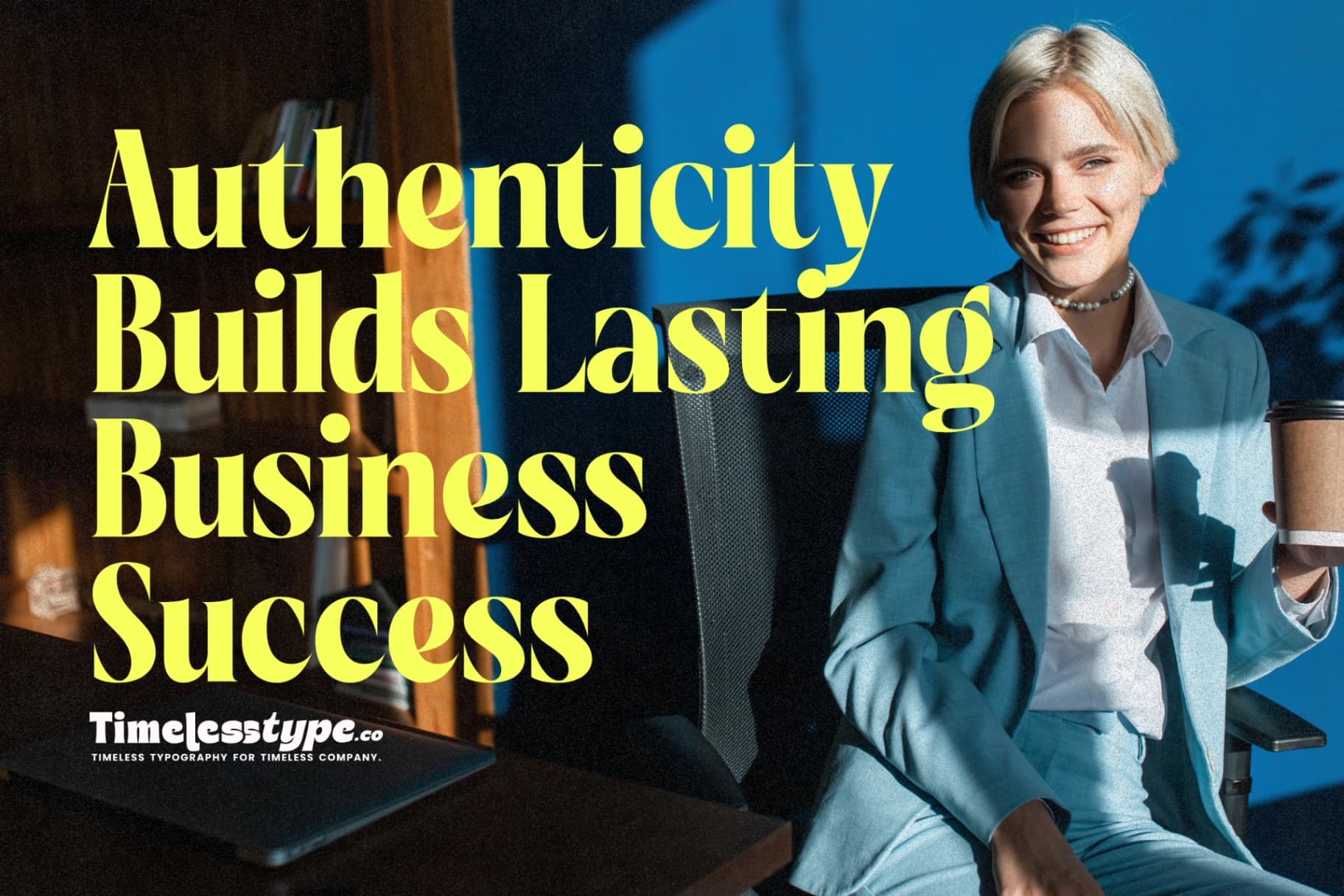
Table of Contents
- 1. What Is Brand Storytelling (and Why It Matters)
- 2. The Psychology Behind Storytelling
- 3. Authenticity: The Core of Modern Branding
- 4. Why Authenticity Outperforms Perfection
- 5. The Structure of a Powerful Brand Story
- 6. The Three Pillars of Authentic Storytelling
- 1. Truth
- 2. Emotion
- 3. Consistency
- 7. How to Discover Your Brand Story
- 8. Brand Storytelling Across Platforms
- Website:
- Social Media:
- Email Marketing:
- Video & Content:
- 9. Storytelling Through Customer Experience
- 10. The Role of Founders in Brand Storytelling
- 11. Brand Storytelling in the AI Era
- 12. Turning Customers into Storytellers
- 13. Measuring the Impact of Storytelling
- 14. Common Mistakes in Brand Storytelling
- 15. The Long-Term Payoff: Storytelling Builds Legacy
- 16. Crafting Your Own Brand Story (Step-by-Step)
- 17. The Future of Brand Storytelling
- Conclusion: Authenticity Is the New Strategy
Brand Storytelling: How Authenticity Builds Lasting Business Success
In a world flooded with ads, algorithms, and endless noise, people don’t buy products — they buy stories.
They buy meaning, emotion, and a sense of identity.
That’s why brand storytelling has become one of the most powerful business strategies of the modern era.
It transforms transactions into relationships and turns customers into communities.
But not just any story works anymore.
Today’s audiences are smart, skeptical, and overloaded with content. They don’t want perfection — they want authenticity.
And that’s the secret: Authentic storytelling isn’t just good marketing — it’s the foundation of lasting success.
1. What Is Brand Storytelling (and Why It Matters)
Brand storytelling is more than your company history or marketing copy — it’s the emotional narrative that connects your mission to your audience’s values.
It’s the way your brand speaks, behaves, and feels.
A strong brand story answers three timeless questions:
Who are you?
Why do you exist?
Why should anyone care?
When done right, storytelling gives your brand a soul — something competitors can’t copy, even if they copy your product.
2. The Psychology Behind Storytelling
Humans are wired for stories. Long before data and screens, we learned through tales that inspired emotion and memory.
Neuroscience reveals that stories trigger the release of oxytocin, the empathy hormone. That means when you tell your brand story with emotional depth, your audience doesn’t just understand it — they feel it.
A great brand story doesn’t sell logic first. It sells belief, identity, and trust.
That’s why companies like Apple, Patagonia, and Nike dominate not just through products, but through purposeful narratives that make customers part of something bigger.
3. Authenticity: The Core of Modern Branding
In the age of AI, filters, and corporate spin, authenticity has become the new currency of trust.
Customers can sense manipulation instantly. They reward transparency and punish pretense.
Being authentic means:
Admitting imperfections.
Standing for something real.
Showing the human side of your brand.
It’s no longer enough to say, “We care about our customers.”
You have to prove it — through your actions, voice, and consistency.
Authentic storytelling bridges the gap between what you sell and why you exist.
4. Why Authenticity Outperforms Perfection
People connect to emotion, not polish.
Perfect brands feel sterile. Honest brands feel human.
When a company shares its struggles, lessons, or behind-the-scenes reality, it builds relatability — and relatability builds loyalty.
Examples:
Patagonia openly tells customers not to overconsume — and it increased loyalty.
Dove’s “Real Beauty” campaign shattered stereotypes with raw honesty.
Airbnb grew its brand around real people’s stories, not corporate perfection.
Vulnerability, when genuine, builds more strength than flawless imagery ever could.
5. The Structure of a Powerful Brand Story
Every great story — from Hollywood to your brand — follows a universal structure known as The Hero’s Journey.
Here’s how to apply it to your brand:
StageBrand PerspectiveEmotional Effect1. The HeroYour customer, not your companyEmpowerment2. The ChallengeThe pain point or need they faceEmpathy3. The GuideYour brand as mentor, not saviorTrust4. The SolutionYour product or service helps overcome the obstacleRelief5. The TransformationThe customer’s success storyInspiration
Your brand isn’t the hero — your customer is.
You’re the guide who helps them win their own journey.
6. The Three Pillars of Authentic Storytelling
To build a brand that resonates, your storytelling must stand on these three pillars:
1. Truth
Be transparent about who you are and what you believe in. Avoid overpromises — deliver experiences that match your claims.
2. Emotion
Speak to the heart before the head. Use real stories from your team, your customers, or your mission to create connection.
3. Consistency
Every touchpoint — your website, ads, social media, and even packaging — must tell the same story in different ways.
Consistency isn’t repetition; it’s reinforcement of identity.
7. How to Discover Your Brand Story
If you don’t know your story, you can’t expect your customers to.
Here’s how to find it:
Look inward: Why did your brand begin? What problem were you trying to solve?
Listen outward: What do customers truly feel when they interact with your product?
Find your voice: What tone, values, and style reflect your purpose?
A brand story isn’t written once — it’s lived daily through your culture, service, and community.
8. Brand Storytelling Across Platforms
Every platform tells a story differently — but the message must remain consistent.
Website:
Tell your origin, mission, and impact in human language. Avoid jargon — people want emotion, not corporate gloss.
Social Media:
Show the people behind the brand. Use storytelling through visuals, short-form videos, and real-time moments.
Email Marketing:
Share transformation stories, not just promotions. Narratives create connection beyond discounts.
Video & Content:
Use mini-documentaries, testimonials, or behind-the-scenes clips. Visual storytelling drives emotion faster than text ever could.
When your message stays emotionally consistent across every platform, it becomes a movement, not just a message.
9. Storytelling Through Customer Experience
Every interaction your audience has with your brand — from your packaging to your customer service tone — is part of your story.
Think about Apple’s minimalist design, Starbucks’ personalized cups, or LEGO’s imaginative tone — everything aligns with their core story.
Ask yourself:
Does our customer service reflect our brand’s personality?
Do our visuals and tone evoke the same feeling across platforms?
Are we reinforcing our story in every small detail?
Brand storytelling is an experience — not an advertisement.
10. The Role of Founders in Brand Storytelling
Your origin story is your greatest asset.
Consumers love brands with a human heartbeat — a person, not a faceless entity.
When founders share their real motivations, failures, and lessons, it adds credibility and connection.
Example:
Sara Blakely (SPANX) turned a personal frustration into a billion-dollar brand by sharing her journey transparently.
Elon Musk (Tesla/SpaceX) embodies innovation and risk-taking — turning his personal vision into global movements.
Your founder story isn’t ego-driven — it’s empathy-driven. It shows people why your brand exists and who it exists for.
11. Brand Storytelling in the AI Era
As automation and AI reshape industries, authenticity becomes even more valuable.
In a world where content can be generated instantly, truth and humanity become your competitive edge.
People don’t want more content — they want connection.
Brands that use AI to enhance storytelling — not replace it — will win.
Use AI tools for structure and efficiency, but let human insight craft the emotion and ethics.
Technology can scale your reach. Only authenticity can scale your trust.
12. Turning Customers into Storytellers
The most powerful story a brand can tell isn’t its own — it’s the one customers tell about it.
Encourage user-generated content, testimonials, and reviews. Share customer journeys publicly.
Let real people narrate what your brand means in their lives.
When your audience starts sharing your story — they’re not just customers anymore.
They’re advocates and co-authors of your brand’s legacy.
13. Measuring the Impact of Storytelling
Storytelling may sound emotional, but it’s also measurable.
You can track impact through:
Engagement metrics: Clicks, watch time, and comments show connection depth.
Brand recall: Surveys and studies measure message retention.
Customer loyalty and referrals: The true test of emotional resonance.
Conversion rates: Authenticity builds not just awareness, but sales.
When people trust your story, they trust your products — and that’s where emotion meets ROI.
14. Common Mistakes in Brand Storytelling
Even the best brands make storytelling mistakes. Avoid these traps:
Being too self-centered: Focus on your customer’s story, not just your own.
Forcing emotion: Authenticity can’t be scripted — it must be felt.
Inconsistency: Mixed messages break trust fast.
Silence: Failing to tell your story lets competitors tell it for you.
Storytelling is an ongoing dialogue, not a one-time campaign.
15. The Long-Term Payoff: Storytelling Builds Legacy
Trends fade. Ads expire. But a powerful story endures.
It becomes part of your brand’s DNA — guiding marketing, culture, and even innovation.
When your story is authentic, it evolves naturally with your audience’s needs.
It’s not about chasing attention — it’s about building affection.
The most successful brands don’t just sell products; they sell purpose, belonging, and belief.
That’s what keeps customers coming back — even when competitors are cheaper.
16. Crafting Your Own Brand Story (Step-by-Step)
Here’s a practical blueprint for creating or refining your brand story:
Define Your Purpose: Why does your brand exist beyond profit?
Clarify Your Values: What do you stand for — and against?
Know Your Audience: Who are they, and what do they care about most?
Shape the Narrative: Turn your journey into a relatable story with a beginning, struggle, and transformation.
Design the Voice: Choose tone, language, and visuals that express your personality.
Share Consistently: Let every touchpoint echo your message.
Evolve with Time: Keep it fresh while staying true to your essence.
Your story is your strategy — and your authenticity is your advantage.
17. The Future of Brand Storytelling
The future belongs to brands that combine emotional intelligence, ethical purpose, and creative storytelling.
We’re entering an era where audiences seek:
Real voices, not scripted ads.
Impact, not image.
Connection, not consumption.
Brands that embrace these values won’t just stay relevant — they’ll stay respected.
The next generation of customers isn’t asking, “What do you sell?”
They’re asking, “What do you stand for — and why should I care?”
Conclusion: Authenticity Is the New Strategy
Brand storytelling isn’t about clever words or cinematic videos — it’s about truth told beautifully.
It’s the art of aligning your business purpose with human emotion.
When you tell your story authentically, you don’t need to chase attention.
You attract it — because people feel seen, inspired, and connected.
In the end, the brands that last aren’t the loudest — they’re the most real.
Your story is your legacy.
Make it worth believing in.
Related
Tags
Browse similar work by purpose and style.
.webp&w=1920&q=75&dpl=dpl_Gc2H6qw5qz6tftmNLm7EMoaFVtW7)
.webp&w=1920&q=75&dpl=dpl_Gc2H6qw5qz6tftmNLm7EMoaFVtW7)
.webp&w=1920&q=75&dpl=dpl_Gc2H6qw5qz6tftmNLm7EMoaFVtW7)
.webp&w=1920&q=75&dpl=dpl_Gc2H6qw5qz6tftmNLm7EMoaFVtW7)
.webp&w=1920&q=75&dpl=dpl_Gc2H6qw5qz6tftmNLm7EMoaFVtW7)
.webp&w=1920&q=75&dpl=dpl_Gc2H6qw5qz6tftmNLm7EMoaFVtW7)
.webp&w=1920&q=75&dpl=dpl_Gc2H6qw5qz6tftmNLm7EMoaFVtW7)