


.jpg&w=256&q=75&dpl=dpl_Gc2H6qw5qz6tftmNLm7EMoaFVtW7)
.jpg&w=256&q=75&dpl=dpl_Gc2H6qw5qz6tftmNLm7EMoaFVtW7)
.webp&w=256&q=75&dpl=dpl_Gc2H6qw5qz6tftmNLm7EMoaFVtW7)
.webp&w=256&q=75&dpl=dpl_Gc2H6qw5qz6tftmNLm7EMoaFVtW7)



Lifestyle
Balanced Nutrition: How to Eat Well Without Overcomplicating Life
Insights, tutorials, and type notes from the Timeless Type studio.
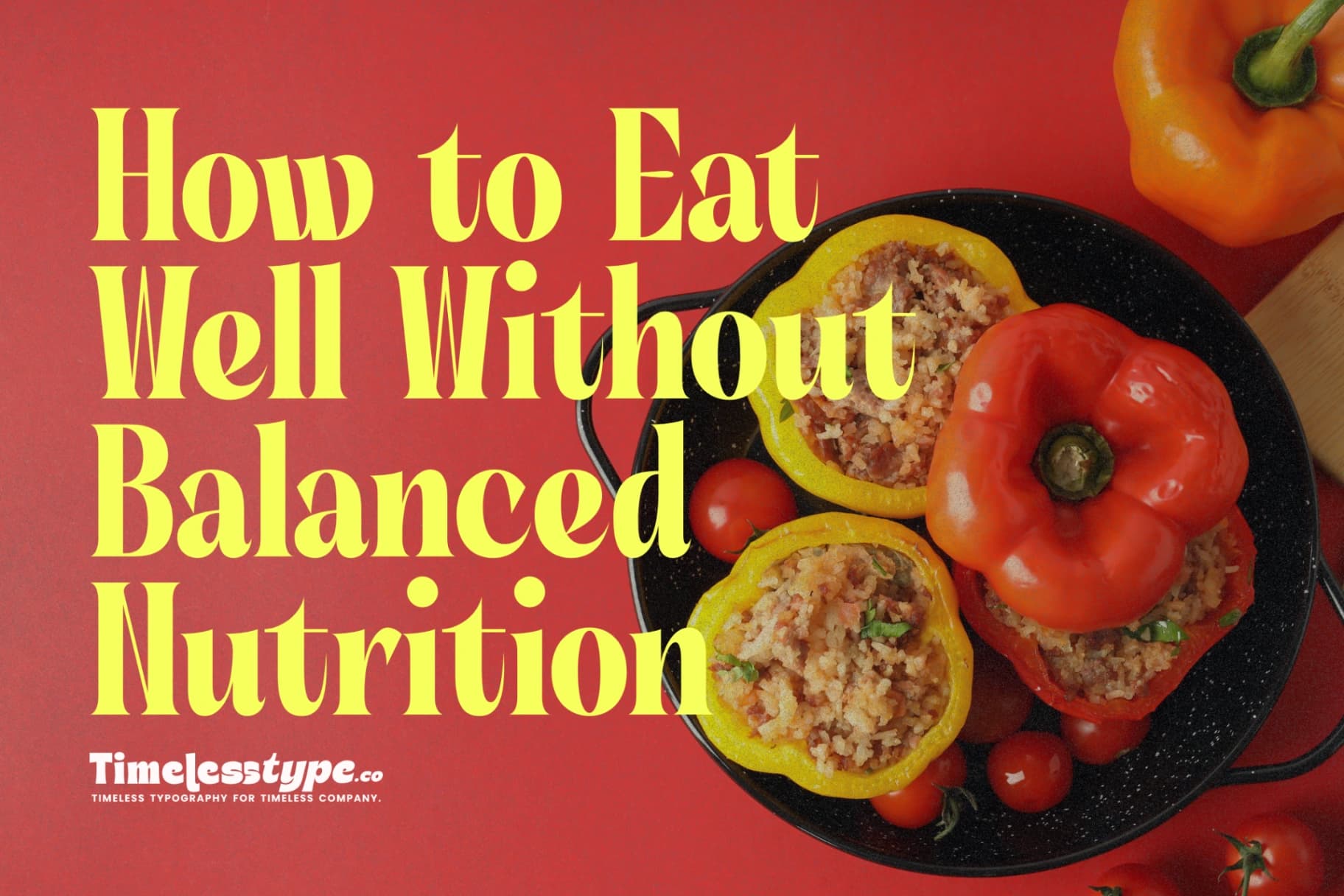
Table of Contents
- Balanced Nutrition: How to Eat Well Without Overcomplicating Life
- 🍎 1. The Meaning of Balanced Nutrition
- 🧭 2. Why We Overcomplicate Eating
- 🥗 3. The Core Principles of Eating Well
- 🍞 4. Carbs Aren’t the Enemy
- 🥩 5. The Power of Protein
- 🥑 6. Don’t Fear Healthy Fats
- 🍽️ 7. Portion, Not Perfection
- ☕ 8. The 80/20 Rule: Flexibility Over Rigidity
- 🧠 9. Mindful Eating: The Missing Ingredient
- 🧘 10. Emotional Eating vs. Nourishing Eating
- 🕊️ 11. Building Sustainable Habits
- 🌈 12. Redefining “Healthy”
- 🏁 Conclusion: Simplicity Is the Secret
Balanced Nutrition: How to Eat Well Without Overcomplicating Life
Eating well doesn’t have to feel like solving a puzzle.
Yet in today’s world — full of diet trends, endless nutrition advice, and conflicting opinions — it often does.
One day carbs are bad, the next they’re essential. One expert says “eat clean,” another says “everything in moderation.” It’s no wonder people feel confused or even guilty about food.
The truth is, nutrition isn’t about perfection — it’s about balance.
And balance is something anyone can achieve, no matter your lifestyle or schedule.
Here’s how to build a healthy relationship with food that nourishes your body, supports your goals, and fits your life — not the other way around.
🍎 1. The Meaning of Balanced Nutrition
Balanced nutrition simply means eating a variety of foods that provide your body with all the essential nutrients — carbohydrates, protein, fats, vitamins, and minerals — in the right proportions.
It’s not a strict formula. It’s a flexible, sustainable way to eat for energy, health, and satisfaction.
Think of it like this:
Carbohydrates = Energy for your brain and muscles.
Proteins = Building blocks for repair and strength.
Fats = Essential for hormones, brain health, and absorption of nutrients.
Micronutrients (vitamins & minerals) = Keep your systems running smoothly.
When these elements work together, your body thrives.
You don’t need a “perfect” diet — you just need a balanced one.
“Let food be thy medicine and medicine be thy food.” — Hippocrates
🧭 2. Why We Overcomplicate Eating
Most people know what healthy eating looks like — fruits, vegetables, whole grains, lean proteins, and healthy fats.
But the problem isn’t knowledge — it’s overwhelm.
Between social media trends, celebrity diets, and “miracle” products, nutrition has become more about rules than nourishment.
We’ve turned food into math — counting calories, macros, and steps — instead of joy.
The result? Stress, guilt, and burnout.
Balanced nutrition brings simplicity back: eat real food, listen to your body, and let go of the idea that health requires restriction.
🥗 3. The Core Principles of Eating Well
You don’t need a complex plan or a 30-day reset.
You just need a few guiding principles you can live by.
✅ 1. Eat Mostly Whole Foods
Choose foods as close to their natural state as possible — fresh vegetables, fruits, whole grains, nuts, and minimally processed proteins.
Real food fuels you better and keeps you full longer.
✅ 2. Aim for Color and Variety
Different colors = different nutrients.
Fill your plate with a rainbow — spinach, tomatoes, carrots, blueberries, and more.
✅ 3. Balance Your Plate
A simple formula:
½ plate = vegetables or fruit
¼ plate = protein
¼ plate = whole grains or starchy foods
Add healthy fats like olive oil, avocado, or nuts.
✅ 4. Hydrate Generously
Water supports digestion, energy, and focus.
A good rule: 8 glasses a day — or enough that your urine is pale yellow.
✅ 5. Enjoy Food Mindfully
Slow down. Savor flavors. Eat until you’re satisfied, not stuffed.
Mindful eating reduces overeating and helps you reconnect with your body’s signals.
🍞 4. Carbs Aren’t the Enemy
Carbohydrates have been unfairly demonized, but they’re your body’s main source of energy.
The key is choosing the right kinds.
Smart carb choices:
Whole grains: brown rice, quinoa, oats
Starchy vegetables: sweet potatoes, corn, peas
Fruits: nature’s original energy source
Avoid refined carbs (white bread, pastries, sugary snacks) most of the time — not because they’re “evil,” but because they provide quick spikes and crashes in energy.
Carbs don’t cause weight gain — excess calories do.
Balance is about inclusion, not elimination.
“Carbs aren’t bad. Excess and restriction are.”
🥩 5. The Power of Protein
Protein is essential for repairing muscles, supporting hormones, and keeping you full.
It’s especially important if you exercise regularly or want to manage hunger.
Sources of quality protein:
Lean meats: chicken, turkey, fish
Plant-based: lentils, beans, tofu, tempeh
Dairy: Greek yogurt, eggs, cottage cheese
Nuts & seeds: almonds, chia, pumpkin seeds
Aim for a source of protein in every meal.
You don’t have to obsess — just plan so your meals feel satisfying and balanced.
🥑 6. Don’t Fear Healthy Fats
Fat doesn’t make you fat — imbalance does.
Your brain, hormones, and heart need healthy fats.
Great fat sources:
Avocado
Olive oil
Fatty fish (salmon, sardines, tuna)
Nuts and seeds
Avoid trans fats and heavily processed oils (like those in fried fast food).
Healthy fats not only nourish but also add flavor, making meals enjoyable and satisfying.
“Healthy food isn’t punishment — it’s self-respect.”
🍽️ 7. Portion, Not Perfection
Balance is as much about how much you eat as what you eat.
You can eat healthy foods in unhealthy amounts — and vice versa.
Learn to listen to your hunger cues:
Eat when you’re hungry, not when you’re bored.
Stop when you’re satisfied, not when the plate is empty.
If you overeat, don’t punish yourself — just return to balance.
Eating well isn’t about restriction — it’s about rhythm.
☕ 8. The 80/20 Rule: Flexibility Over Rigidity
The 80/20 principle is the secret to long-term health.
Eat nutrient-dense, whole foods 80% of the time, and enjoy your favorite treats 20% of the time — guilt-free.
Why it works:
It prevents binge-restrict cycles.
It makes eating sustainable.
It keeps joy alive in your diet.
You can have pizza nights, dessert, or a latte — and still be healthy.
Because health isn’t perfection — it’s consistency.
“A healthy lifestyle is built on balance, not rules.”
🧠 9. Mindful Eating: The Missing Ingredient
We often eat distracted — scrolling, watching TV, or rushing between tasks.
But mindful eating reconnects you with the experience of food.
How to practice mindfulness while eating:
Sit down without distractions.
Notice the colors, textures, and smells.
Take smaller bites and chew slowly.
Pause halfway through and ask, “Am I satisfied?”
This small act transforms meals from automatic routines into moments of gratitude and awareness.
🧘 10. Emotional Eating vs. Nourishing Eating
Food isn’t just physical — it’s emotional.
We eat for comfort, celebration, boredom, and stress. And that’s okay — to a point.
The key is awareness.
When you find yourself reaching for food, pause and ask:
Am I hungry, or am I trying to soothe something else?
What emotion am I avoiding or needing right now?
Find other forms of nourishment too — a walk, journaling, deep breathing, or calling a friend.
When you care for your emotional hunger, your physical hunger naturally finds balance.
🕊️ 11. Building Sustainable Habits
Healthy eating isn’t a quick fix — it’s a lifelong relationship.
The best plan is one you can follow even on your busiest days.
Tips for sustainability:
Plan your meals, but stay flexible.
Keep healthy snacks (nuts, fruit, yogurt) within reach.
Cook simple recipes you actually enjoy.
Don’t label foods as “good” or “bad.”
Remember, balance isn’t built in a week — it’s practiced daily through small, consistent choices.
“Small changes over time lead to big results.”
🌈 12. Redefining “Healthy”
Healthy isn’t a body type or a calorie number — it’s how you feel.
It’s energy that lasts, clarity that sharpens, and confidence that radiates.
When you eat well, you don’t just change your diet — you change your relationship with yourself.
Balanced nutrition is not a destination — it’s a way of living in harmony with your needs, your body, and your joy.
“Eat to nourish your body, not to punish it.”
🏁 Conclusion: Simplicity Is the Secret
You don’t need a perfect diet.
You just need awareness, variety, and kindness toward yourself.
The best nutrition plan isn’t the strictest one — it’s the one you can follow with peace of mind.
So eat the salad and the chocolate. Drink the smoothie and enjoy the coffee.
Because real health is about balance — not extremes.
Related
Tags
Browse similar work by purpose and style.
.webp&w=1920&q=75&dpl=dpl_Gc2H6qw5qz6tftmNLm7EMoaFVtW7)
.webp&w=1920&q=75&dpl=dpl_Gc2H6qw5qz6tftmNLm7EMoaFVtW7)
.webp&w=1920&q=75&dpl=dpl_Gc2H6qw5qz6tftmNLm7EMoaFVtW7)
.webp&w=1920&q=75&dpl=dpl_Gc2H6qw5qz6tftmNLm7EMoaFVtW7)
.webp&w=1920&q=75&dpl=dpl_Gc2H6qw5qz6tftmNLm7EMoaFVtW7)
.webp&w=1920&q=75&dpl=dpl_Gc2H6qw5qz6tftmNLm7EMoaFVtW7)
.webp&w=1920&q=75&dpl=dpl_Gc2H6qw5qz6tftmNLm7EMoaFVtW7)
.webp&w=1920&q=75&dpl=dpl_Gc2H6qw5qz6tftmNLm7EMoaFVtW7)